


Reports From Local Media Suggest Nationwide Block
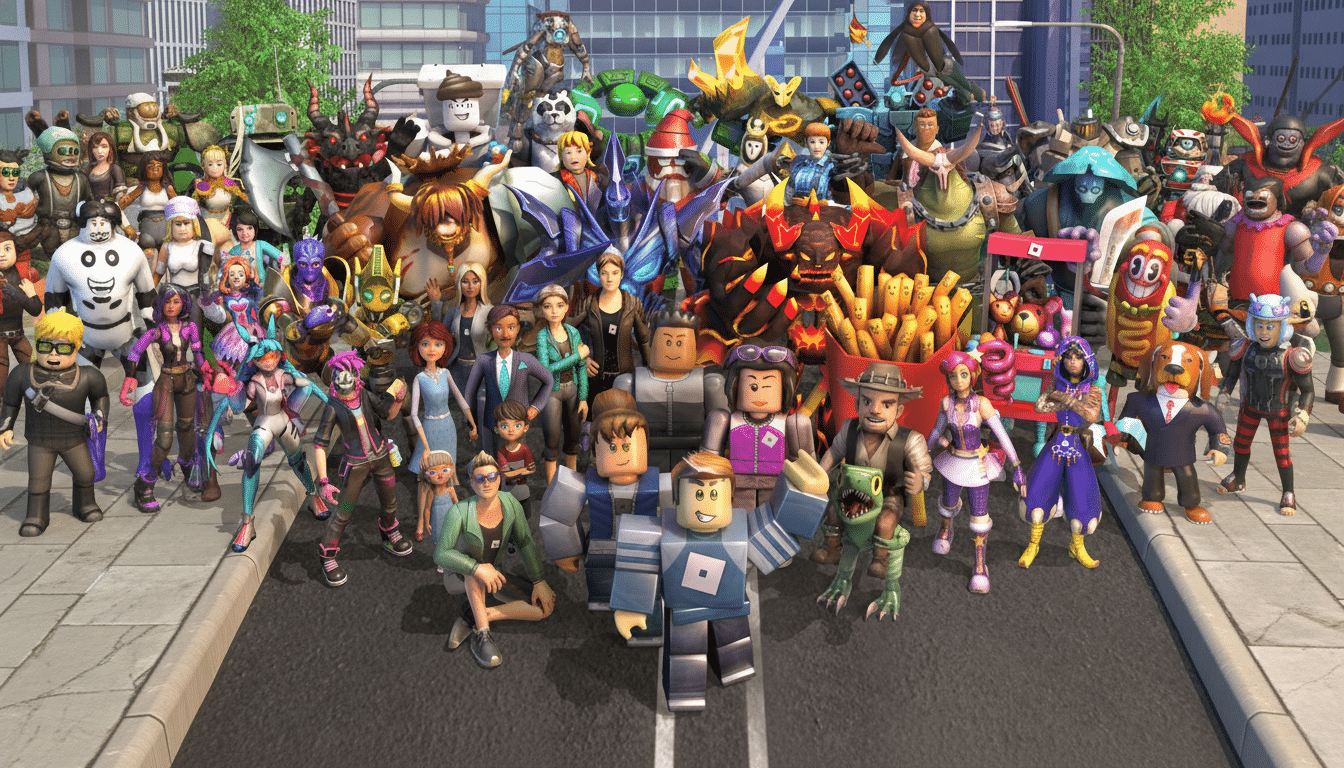
Roblox, including its popular version Work at the Pizza Place (pictured), has been suspended in Russia, state news agency TASS reports, quoting the country’s communications regulator. The action takes aim at one of the world’s biggest user-generated gaming platforms and represents a new escalation in Moscow’s efforts to extend its grip over digital content.
The regulator cited LGBTQ-related information on Roblox as one of the reasons it was banned, TASS reported. Russia has expanded its legal framework in recent years to classify public displays of LGBTQ identity and advocacy as “extremist,” a designation that rights groups such as Human Rights Watch say is being used to chill speech and culture online.
- Reports From Local Media Suggest Nationwide Block
- How the Ban Will Probably Be Enforced in Russia
- A Major Market Goes Dark Suddenly Across Russia
- Content Rules Intersect With Platform Moderation
- Part of a Broader Pattern of Platform Bans in Russia
- Players and Creators: What to Expect After the Ban
- What We Know So Far and What We Don’t About the Ban
How the Ban Will Probably Be Enforced in Russia
Such decisions are typically enforced by ordering internet service providers to block access and adding domains or services to a national blacklist of banned material, as is common in Russia. Previous actions have involved throttling, blocking at the DNS level and court orders to remove apps or disable functionality. No details are given, but Russian users who have not switched to HTTPS might experience some on-again/off-again access at first, before everything cools off.
It’s worth looking at the history, and the answer appears to be a mixed, evolving technical response. With other platforms closed off, some services, like the app and site, were only partially open through legacy endpoints or third-party launchers before being fully cut off. VPN use often spikes at such times; monitoring firm Top10VPN has seen numerous surges in demand following large Russian platform curbs.
A Major Market Goes Dark Suddenly Across Russia
The immediate impact is large. Appfigures estimates that Roblox has been installed about 70 million times on mobile devices in Russia and attracted millions of new downloads just this year. Russia has always been among the game’s top countries for installs and local creators have built communities and recurring revenue around Roblox experiences.
Globally, Roblox has tens of millions of daily active users and a creator economy that earns hundreds of millions of dollars per year. Roblox doesn’t specify how much revenue it generates by country, but turning off a market with that level of adoption will send shockwaves through developer earnings, user engagement metrics and live ops plans built around regional audiences.
Content Rules Intersect With Platform Moderation
The ban comes as Roblox itself has come under scrutiny for safety and content controls. In the United States, attorneys general from Texas and Louisiana have investigated how well the platform safeguards minors. Roblox recently introduced age verification checks, made its filtering systems more robust and announced plans to introduce compulsory facial verification for some chat services — steps it has said will help stamp out grooming and abuse but which privacy campaigners warn could add new risks around biometrics.
Roblox also requested developers to tag experiences about sensitive social, political or religious topics in order for parents of under-13 users to have more control over what they see.
Industry groups including Out Making Games and Women in Games also criticized the policy, saying that broad containment around labels can stigmatize legitimate themes — from workplace equity to identity — under the heading of sensitivity.
Part of a Broader Pattern of Platform Bans in Russia
Russia has cracked down on global platforms in recent years. LinkedIn was banned over data localization conflicts. Facebook and Instagram were declared “extremist” by a Russian court, while TikTok was banned from posting within the country. YouTube has faced fines and ongoing threats to be blocked, without a total blockade.
The Roblox decision follows this arc, but also points to one unique flashpoint: user-generated worlds where cultural expression, including LGBTQ identity, is visible at scale. That cocktail — young audiences, social discovery and live creator economies — has turned Roblox into both a cultural whooshing noise and a magnet for regulators.
Players and Creators: What to Expect After the Ban
In the short term, Russian users could work to maintain access via VPNs — a legal and logistical risk factor given continued pressure from authorities on circumvention tools. Developers that have big Russian audiences will likely experience immediate declines in sessions and revenue, causing them to refocus updates and events on other regions.
Longer term, the block could redefine how global platforms address localization and content labeling in countries with sweeping speech restrictions. It’s also a tightrope that companies are often walking: a choice to comply with the Chinese demands and invite backlash elsewhere, or refuse, and lose access. For Roblox, the decision is an example of how questions over safety and identity are no longer simply product concerns but market entry issues as well.
What We Know So Far and What We Don’t About the Ban
Local media say the decision was made by the communications regulator and claim that LGBTQ material is thought to have played a part. According to Appfigures data, Russia has a substantial number of users. What we don’t know is whether there will be any partial access, if app stores would be required to de-list and how enforcement across ISPs will be addressed.
Until authorities or the company offer greater detail, for users in Russia the practical reality is more straightforward: Roblox access is being severed, and communities that have grown up on the platform will need to adapt — whether by moving to other locations or waiting to see if the decision is either challenged or modified.