


For thousands of years, the rose has held a position of prestige that no other flower can claim. It is the undisputed ruler of the floral world, acting as a bridge between the physical beauty of nature and the deep complexities of human emotion. When we look at a rose, we aren’t just looking at petals and stems; we are looking at a living piece of history. The rose flower’s meaning is a vast subject that covers everything from ancient mythology to modern-day romance, making it one of the most versatile symbols in existence.
In this guide, we will explore the many layers of roses’ symbolism and discover why this flower remains the world’s favorite way to say “I love you,” “I’m sorry,” or “I remember.” Whether you are a gardener, a romantic, or someone interested in the deeper spiritual side of life, understanding what lies beneath the surface of these blooms will change the way you look at a bouquet forever.
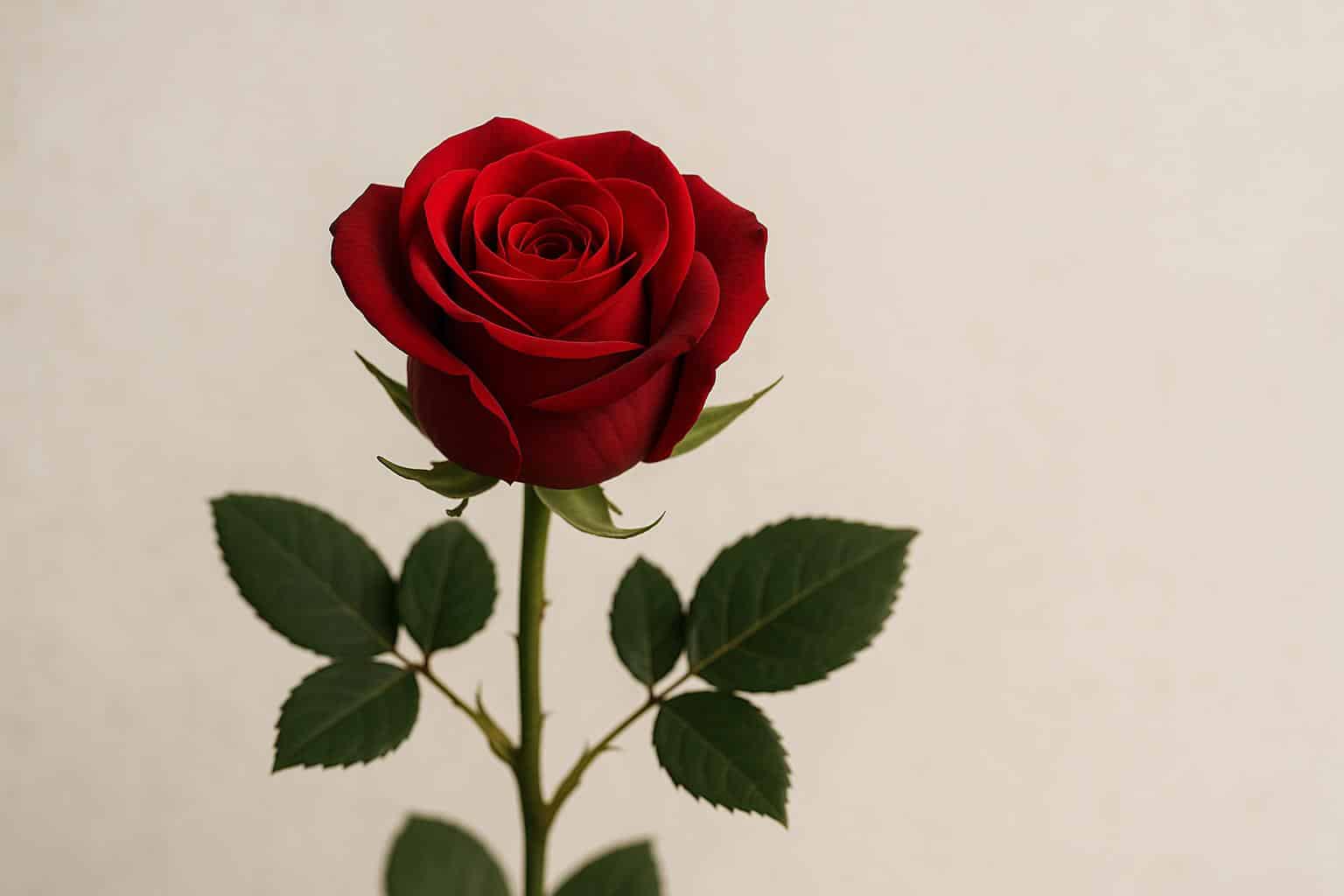
Rose Flower Meaning – An Introduction to Rose Symbolism
To begin our journey, we have to ask a simple question: why the rose? Out of all the blossoms in the world, why did this specific one become the global icon for love? The meaning of the rose flower began to develop millions of years ago, long before humans were around to appreciate it. In its wild form, the rose was a hardy survivor, protected by sharp thorns and able to grow in difficult conditions. This combination of extreme beauty and fierce protection is at the heart of its symbolic power.
As humans began cultivating roses, we began projecting our own values onto them. In ancient times, the rose’s meaning was often tied to the divine. It wasn’t just a pretty plant; it was a gift from the gods. As the flower evolved from a five-petaled wild shrub into the lush, multi-layered “cabbage” roses we see today, its meaning grew more complex as well. Each layer of petals seemed to hide a secret, suggesting that the rose represents the layers of the human heart and the mysteries of life itself.
What Do Roses Symbolize? – Universal Meanings Across Cultures
If you travel across the globe, you will find that the answer to “what do roses symbolize?” remains remarkably consistent, yet filled with local flavor. In the Western world, we most often associate them with Valentine’s Day and romantic passion. However, if you look at the history of the East, particularly in Persian poetry, the rose (or gol) symbolizes the perfection of nature and the soul’s longing for the divine.
In many cultures, the symbolism extends to the concept of confidentiality. The phrase sub rosa, which literally means “under the rose,” comes from the ancient practice of hanging a rose over a meeting table to signify that everything discussed was secret. This adds a layer of mystery to the flower – it is not just about loud declarations of love, but also about the quiet, private bonds between friends and allies.
When we consider “what do roses symbolize?” In a modern context, we also have to look at their role in national identity. The rose is the national flower of the United States, England, and several other nations. It represents a balance of grace and strength. The thorns remind us that beauty often comes with a price, and that true strength is the ability to protect one’s softest parts. This duality is a recurring theme in the rose’s symbolic meaning throughout history.
What Does a Rose Represent? – Love, Beauty, and Beyond
When someone hands you a single stem, your first thought is usually, “What does a rose represent?” at this specific moment. While love is the most common answer, the message can be much more nuanced. A rose represents the peak of achievement. It is the “gold medal” of the plant world. This is why we give roses at graduations, at the end of theatrical performances, and to celebrate major life milestones.
The visual structure of the flower is a key part of what it represents. The spiral of the petals as they unfurl mimics the Fibonacci sequence found throughout the universe. Because of this, many philosophers believe that the rose’s symbolic meaning includes the concept of cosmic order and perfection. It represents the idea that there is a natural rhythm to life – a time to stay closed as a bud and a time to open up and share your fragrance with the world.
For those looking for the most vibrant and meaningful blooms to express these feelings, boutiques like Rosaholics flowers offer expertly curated selections that bring this symbolism to life. Whether it is a deep crimson or a soft lavender, every flower is grown to ensure that when someone asks, “What does a rose represent?”, the answer is clear: quality, care, and intentionality.
Rose Meaning – Interpreting the Language of Roses
To truly understand the rose’s meaning, you have to speak the language of colors. Floriography, the Victorian-era “language of flowers,” turned the act of giving a bouquet into a sophisticated form of communication. Here is a breakdown of how different colors shift the rose flower’s meaning:
- Red: The heavy hitter of the floral world. Red signifies passion, true love, and the fire of desire. It is the most direct way to express romantic intent.
- White: This represents purity, innocence, and youth. In some cultures, it is also a symbol of “the light,” making it a common choice for both weddings and funerals as a sign of respect and new beginnings.
- Yellow: Once a sign of jealousy, the modern rose meaning for yellow is joy, friendship, and the sun. It is a non-romantic way to show appreciation.
- Pink: Pink roses are about elegance and grace. They are the perfect way to show admiration or to say “thank you” to someone you respect.
- Lavender/Purple: These are the symbols of enchantment and “love at first sight.” They have a magical, ethereal quality that sets them apart from the traditional red.
By choosing a specific color, you are adding a subtitle to your gift. You are making the rose’s symbolic meaning personal to your relationship. It shows that you didn’t just pick a flower; you picked a message.
Rose Spiritual Meaning – Sacred Symbolism and Healing Energy
Beyond the romantic and the historical lies the rose’s spiritual meaning. In many spiritual traditions, the rose is considered a high-vibration plant. It is said that the scent of a rose has the highest frequency of any flower, and simply being around them can lift a person’s mood and soothe an anxious heart.
In Christianity, the rose is often linked to the Virgin Mary, sometimes called the “Rose of Heaven.” The rosary itself takes its name from the rose garden, symbolizing a garland of spiritual flowers offered to the divine. In Sufism, the rose’s spiritual meaning is tied to the opening of the “heart chakra.” The thorns represent the obstacles on the spiritual path, while the flower represents the ultimate enlightenment and the sweetness of the soul’s union with God.
When we meditate on the rose’s spiritual meaning, we see it as a teacher of patience. A rose does not bloom all year; it requires a season of dormancy, a period of growth, and then a sudden, glorious opening. This reminds us that our own spiritual growth is not a race. We must nourish our roots (our values) and protect our stems (our boundaries) before we can honestly share our beauty with others.
Furthermore, many people use the rose’s symbolic meaning in healing rituals. Rose water, rose oils, and dried petals are used to invite “heart healing” and to promote self-love. If you are going through a difficult time, keeping a single rose on your altar or nightstand serves as a reminder that even after the harshest winter, beauty will return. This is the core of roses’ symbolism – the promise of renewal and the immortality of love.