


Roku is preparing to roll out streaming bundles, a play aimed squarely at lifting profitability while deepening its role as the operating system of the living room. The move builds on Roku’s growing slate of premium partners and its expanding subscription strategy, positioning the company to capture more value from viewers who are hunting for simplicity and savings as subscription costs keep rising.
Why Streaming Bundles Make Sense for Roku Right Now
Households are juggling more subscriptions and higher prices, and many are looking for relief without sacrificing content. Industry research from Deloitte and Kantar has consistently shown that bundles and discounts reduce churn and encourage multi-service stacking. Roku sits at the crucial access point, where a single sign-up flow, unified billing, and on-device promotion can turn fragmented choices into curated deals that feel like value rather than bloat.
- Why Streaming Bundles Make Sense for Roku Right Now
- What the Bundles Could Offer to Viewers and Partners
- The Profitability Equation Behind Roku’s Bundles
- Partner Dynamics and How Roku Leverages Its Platform
- Where Howdy Fits in Roku’s Growing Subscription Strategy
- What to Watch Next as Roku Tests and Scales Bundles
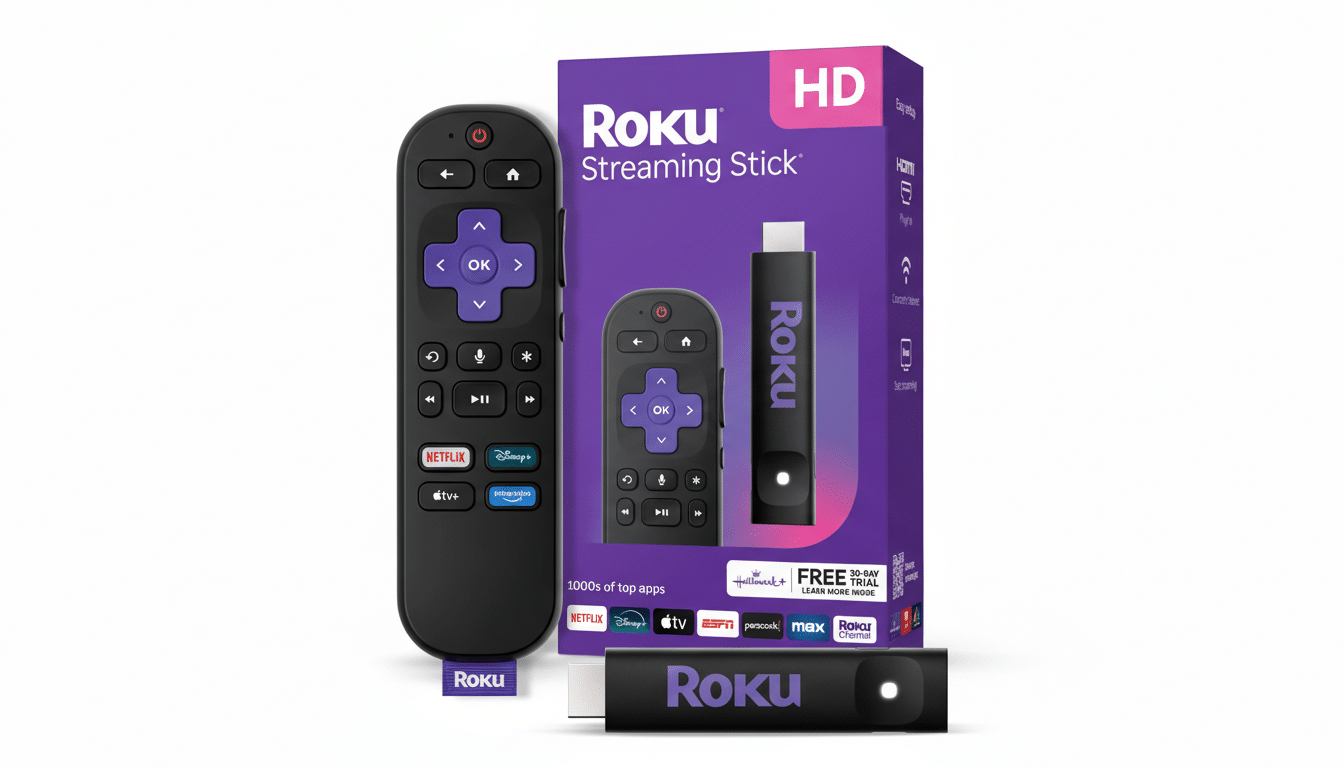
Roku’s marketplace also benefits from a powerful feedback loop: discovery tools on the home screen push users toward featured offers, while subscription conversion and cancellation happen within the same interface. Antenna’s subscription analytics have found that channel-store distribution (where platforms sell third-party services) can stabilize retention compared with standalone direct-to-consumer sign-ups, thanks to streamlined billing and cross-promotion. Roku is set to lean into that advantage.
What the Bundles Could Offer to Viewers and Partners
While Roku hasn’t detailed lineups or pricing, expect a mix of premium add-on bundles, genre packages, and promotional pairings with ad-supported tiers. Think along the lines of a prestige TV and movies bundle anchored by services like Max, or seasonal sports lineups that can be switched on and off. Roku can sweeten the pot with free trials, loyalty credits through Roku Pay, and targeted offers triggered by viewing behavior—features that competitors like Amazon and Apple have used to good effect in their channel ecosystems.
The mechanics matter: a single bill, easy upgrades or pauses, and smart reminders before big shows or tentpole events. With the Roku home screen acting as the storefront, placements and recommendations become a form of merchandising—valuable for partners, and an incremental revenue driver for Roku.
The Profitability Equation Behind Roku’s Bundles
Roku’s latest results underscore why bundles are timely. The company reported strong platform momentum—users streamed 145.6 billion hours over the last year, up about 15% year over year—and it is nearing 100 million streaming households. In the most recent quarter, Roku posted net income of $80.5 million versus a loss in the comparable period a year earlier, on revenue of $1.4 billion, up 16% year over year. Management’s outlook calls for roughly $5.5 billion in total net revenue and about $2.4 billion in gross profit for the full year.
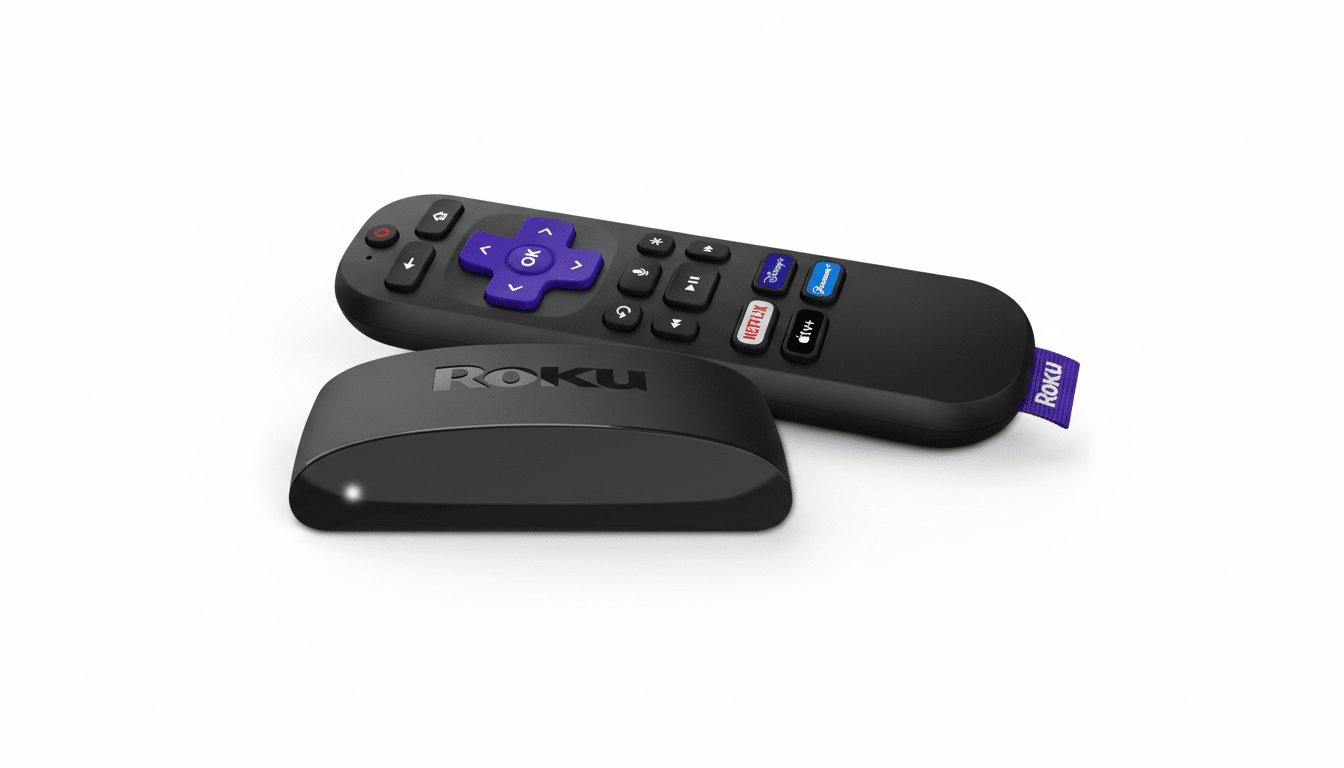
Bundles can lift average revenue per account in two ways: a take rate on third-party subscriptions sold through Roku, and increased ad monetization as bundled subscribers spend more time within Roku’s environment. Importantly, bundles are also a churn antidote. Lower churn improves lifetime value, which supports profitability without relying solely on price hikes or relentless user acquisition spending.
Partner Dynamics and How Roku Leverages Its Platform
Premium streamers want distribution, but they also want control over pricing, data, and brand placement. Roku has been adding top-tier services—highlighted by the addition of Max—and bundles give those partners another way to reach cost-conscious viewers without discounting in isolation. Analysts at MoffettNathanson and Omdia have noted that channel-store economics can be attractive when platforms deliver scale, lower churn, and merchandising—offsetting the rev-share platforms typically take.
The balancing act will be data and discoverability. Partners will push for meaningful insights and prime placement. Roku will seek durable economics and the flexibility to promote its own properties, like The Roku Channel, without spooking allies. Striking that balance is where operating-system distributors can create enduring moats.
Where Howdy Fits in Roku’s Growing Subscription Strategy
Roku is also expanding Howdy, its $3 ad-free subscription streaming service, beyond the Roku platform. CEO Anthony Wood has said the goal is to distribute it widely, reinforcing Roku’s strategy to own both aggregation and direct-to-consumer relationships. Howdy could be bundled as a low-cost perk—an entry point that helps Roku collect payment credentials, reduce friction for future add-ons, and encourage more time spent within Roku’s ecosystem.
What to Watch Next as Roku Tests and Scales Bundles
Details on partners, pricing, and eligibility will reveal how aggressive Roku intends to be. Look for signals in on-device merchandising, limited-time promos, and whether bundles lean into ad-supported tiers to keep sticker prices attractive. If Roku pairs smart packaging with its scale and discovery engine, bundles could become a meaningful flywheel—raising ARPU, lowering churn, and keeping the profitability curve pointed in the right direction.