


RingConn’s third-generation smart ring arrives with a headline promise: blood pressure trend insights from something you can wear on the nearest finger. It also includes a built-in vibration motor, increased battery life, and expanded sizing and finishes to make it part of a wider push into everyday health wearables that look like jewelry and act as coaches.
Crucially, the company is not promising medical-grade blood pressure readings. Instead, the new feature is meant to pick out personal trends over time—ones that could prompt users to check by cuff or with a clinician earlier. That makes the feature less about replacing a sphygmomanometer and more about ongoing context.
Blood Pressure Insights Explained in Detail
Rings use an optical sensor that monitors changes in blood volume (photoplethysmography) along with algorithms to estimate signals associated with blood pressure. Use of trends rather than specific numbers is meant to prevent false precision. It’s a savvy move in a category where measuring cuffless blood pressure is still technically difficult, and the number of consumer wearables that have sought diagnostic regulatory clearance can be counted on one hand.
The potential upside is substantial. The World Health Organization estimates that 1.28 billion adults have hypertension, but many are unaware of it. The American Heart Association advocates out-of-office tracking for those reasons—because patterns across days and nights often reveal what a single clinic reading doesn’t capture alone. The ring can flag upward drifts or unusual variability, prompting earlier action with a validated cuff.
On-Device Alerts For Everyday Use and Routines
Gen 3 introduces a vibration module, which isn’t a seismic change, but is nonetheless somewhat transformative. In real life, haptics can offer silent alarms (and high heart rate alerts), nudge you when you’ve been sedentary for too long, and give you a tap on your finger when it’s time to get ready for bed—without needing a phone buzz. It isn’t just a high-tech pedometer; it’s one that resolves the classic chicken-and-egg problem when developing good habits—those are the moments in your day when you most want insight and motivation.
And since alerts are tactile rather than audible, they’re ideal for meetings, sleep you share with a partner, or red-eye flights. That also paves the way for subtler, event-specific notifications—a short vibration when the ring detects an especially long stretch of inactivity about to happen, say, or one to pause training after recovery metrics hint that easing off is a good idea.
Design, Fit, and Finish for the Third-Gen Ring
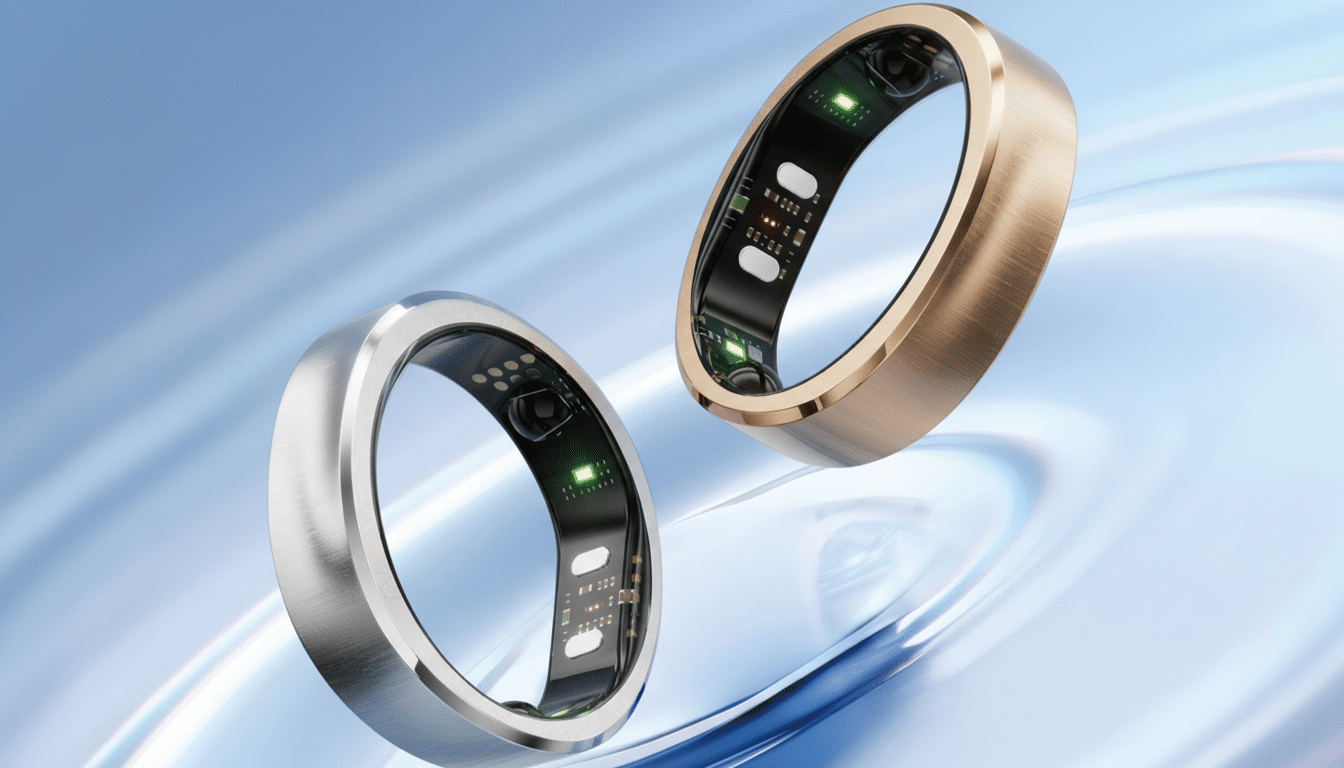
The ring retains its light titanium casing but edges closer to the look of jewelry. There are five finishes to choose from:
- Brushed silver
- Rose gold
- Polished silver
- Rich gold
- Matte black (a new finish)
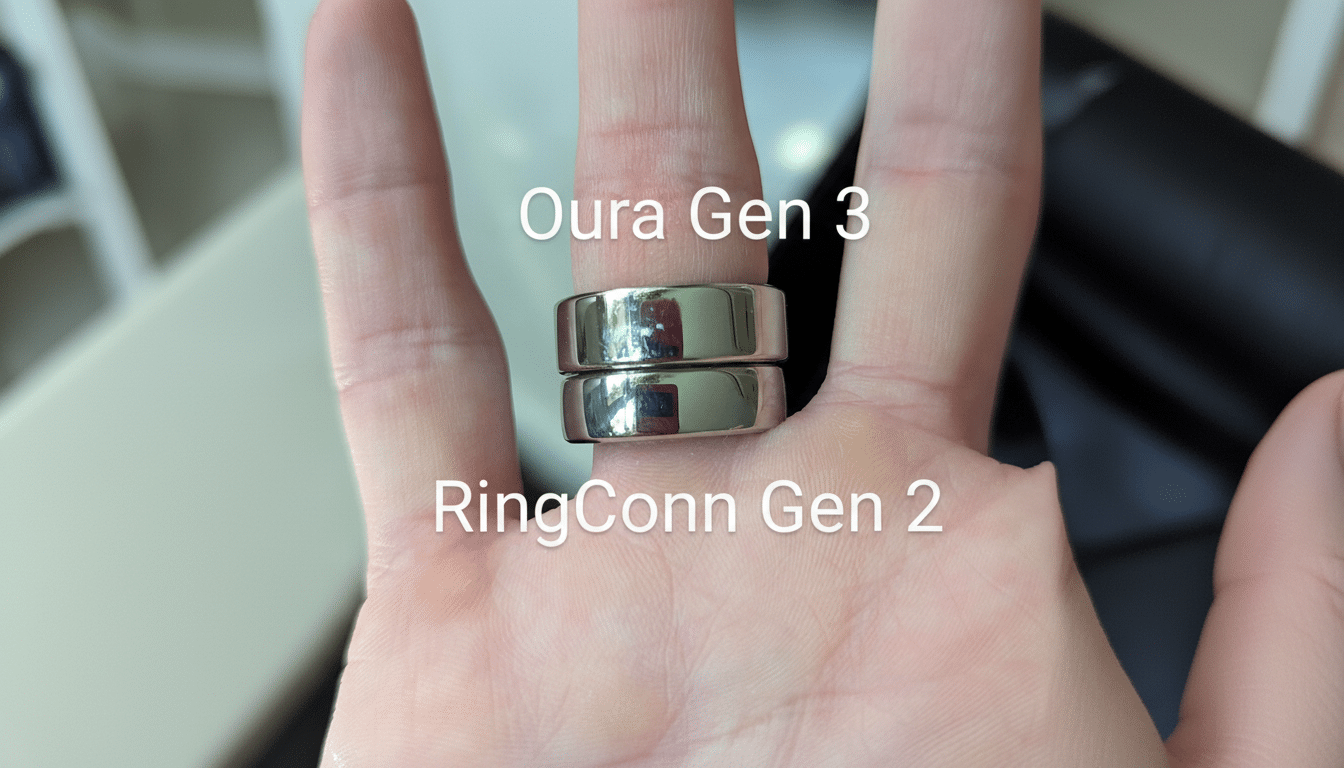
Fit gets a subtle but significant upgrade. Gen 3 adds sizes and now comes in 10 sizes, from 6 to 15, which is better for fit and sensor placement. Better fit isn’t just about comfort; with more consistent skin contact, optical noise can be minimized, and the stability of signal qualities used for heart rate, HRV, or whatever modeling is being done to track pressure trends improves.
Battery Life and the App Experience Improvements
Battery life gets a boost, the company says. Gen 2 already offers multi-day wear, and the new one is designed to last longer even with haptics on, ideally resulting in fewer charging disruptions and more complete data sets. That is important when trend analysis relies on continuous capture throughout sleep and daytime activities.
One other point of distinction survives: it’s free, with no monthly charges. The app also remains the hub for sleep staging, recovery and readiness scores, activity stats, and now blood pressure trend visuals when it rolls out. Look for dashboards that measure trends against behaviors—late meals, alcohol, a tough workout—so users can make connections between the two.
How It Stacks Up Against Other Smart Rings
Most mainstream rings concentrate on sleep and readiness; fewer still have addressed blood pressure in any way. Circular’s most recent one has tantalized with similar insights, while front-runners prioritize heart rate, HRV, temperature, and recovery scores. Wrist-based pressure estimation has been tried by smartwatches in a few markets; these usually have to be calibrated with a cuff from time to time. By virtue of being comfortable and worn 24/7, rings may enhance adherence—a critical component for meaningful trend detection.
What will count from here: transparency and validation. Savvy purchasers will study technical white papers, comparisons with ambulatory monitors, and clear guardrails around what the data can and can’t tell you. Academic groups and professional societies periodically issue warnings that cuffless estimates can drift without recalibration, so a well-documented approach to long-term stability will be key.
Early Outlook for RingConn Gen 3 and Its Features
Gen 3 is not an attempt to be a medical device, and that’s the point. With richer on-device alerts, a more comprehensive fit, and a little toe-dip into blood pressure trends, RingConn Gen 3 nudges smart rings from passive recording to active guidance. The next step will be a public disclosure of the pressure insights, along with accuracy evidence and clear user education. If RingConn comes through in those departments, the finger could end up being among the most practical places to monitor your cardiovascular health trends—discreetly, continuously, and without adding any friction.