


Amazon-owned Ring has scrapped its planned integration with Flock Safety, a decision that underscores how quickly public sentiment can derail law-enforcement tech tie-ups. The about-face follows an outpouring of criticism over surveillance risks, intensified by Ring’s high-profile Super Bowl ad for a “Search Party” feature that many feared could be repurposed for people, not just lost pets.
Why Ring Walked Away From the Flock Safety Integration Plan
Ring said its review found the Flock integration would require substantially more work than anticipated, and both companies acknowledged that customer trust wasn’t where it needed to be. In plain terms, the political and reputational costs outweighed the benefits. Ring also emphasized that the partnership never launched and that no customer videos were shared with Flock Safety.
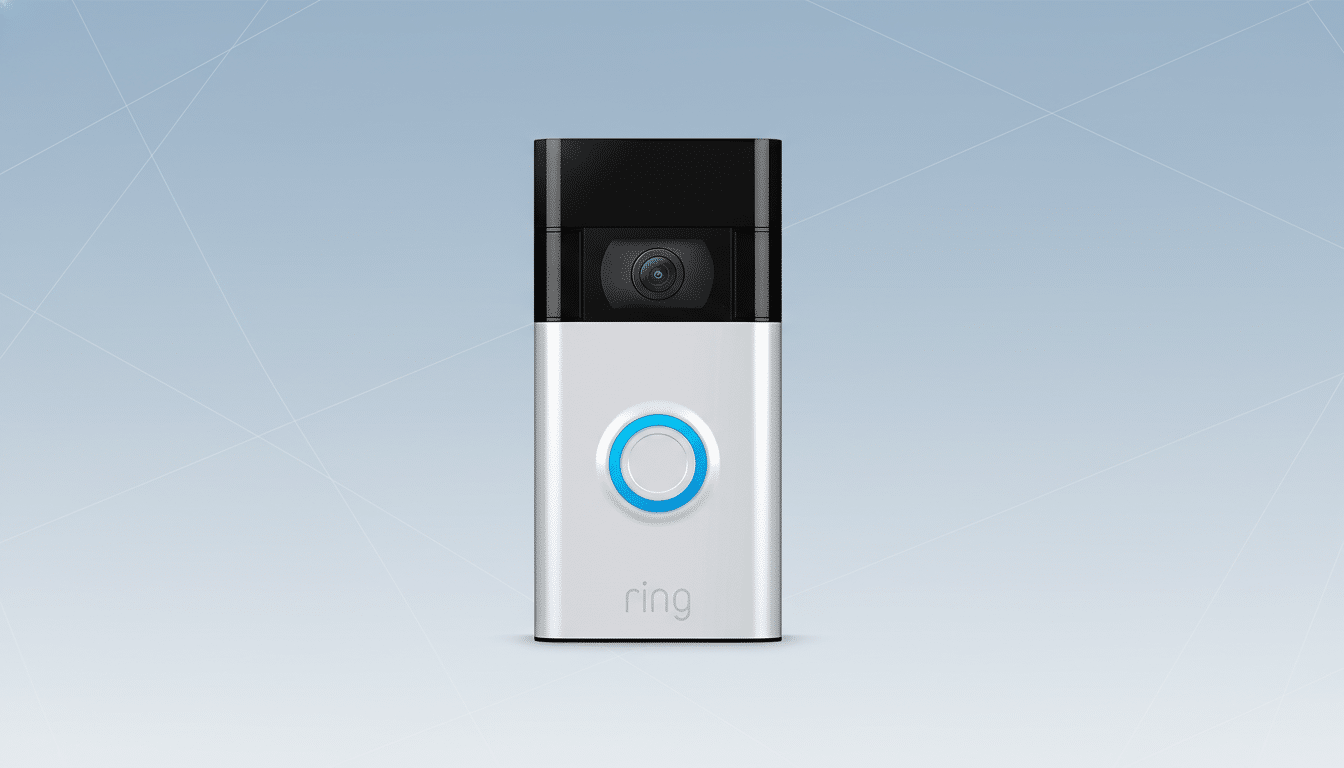
The timing matters. Ring recently retired its police-facing Request for Assistance tool after sustained criticism from privacy advocates who argued it blurred lines between community safety and warrantless surveillance. The “Search Party” ad then poured fuel on the fire, and the Flock arrangement—expected to let police seek footage through Ring’s Community Requests—landed in the crosshairs.
What the Ring and Flock integration was expected to enable
Flock Safety operates expansive networks of fixed cameras and automated license plate readers used by municipalities, neighborhood associations, and law enforcement to spot vehicles linked to investigations. Tying that ecosystem to Ring’s residential video doorbells would have offered a larger, more granular lens on neighborhood activity.
Ring’s Community Requests are voluntary and designed so police don’t see who declines. Even so, critics warned that combining Flock’s vehicle-tracking capabilities with Ring’s home camera footprint could normalize real-time neighborhood surveillance. Immigrant-rights groups and civil liberties organizations raised alarms over potential data-sharing pathways that could ultimately reach federal immigration authorities, even if not intended.
The Surveillance Debate Around Ring And Flock
Both companies sit at the center of a broader debate: how far communities should go in trading the ubiquity of cameras for promised gains in safety. The Electronic Frontier Foundation and the American Civil Liberties Union have long warned that networked cameras and ALPR systems can chill speech, enable dragnet tracking, and disproportionately impact marginalized communities.
Flock says its systems help investigators recover stolen vehicles and solve crimes, with plate scans retained by default for 30 days. The company notes that controls and audits exist, and access is policy-bound. But privacy researchers counter that the scale of data—from “everywhere, all at once”—raises risks that no policy can fully contain once footage or license-plate histories circulate among multiple agencies.
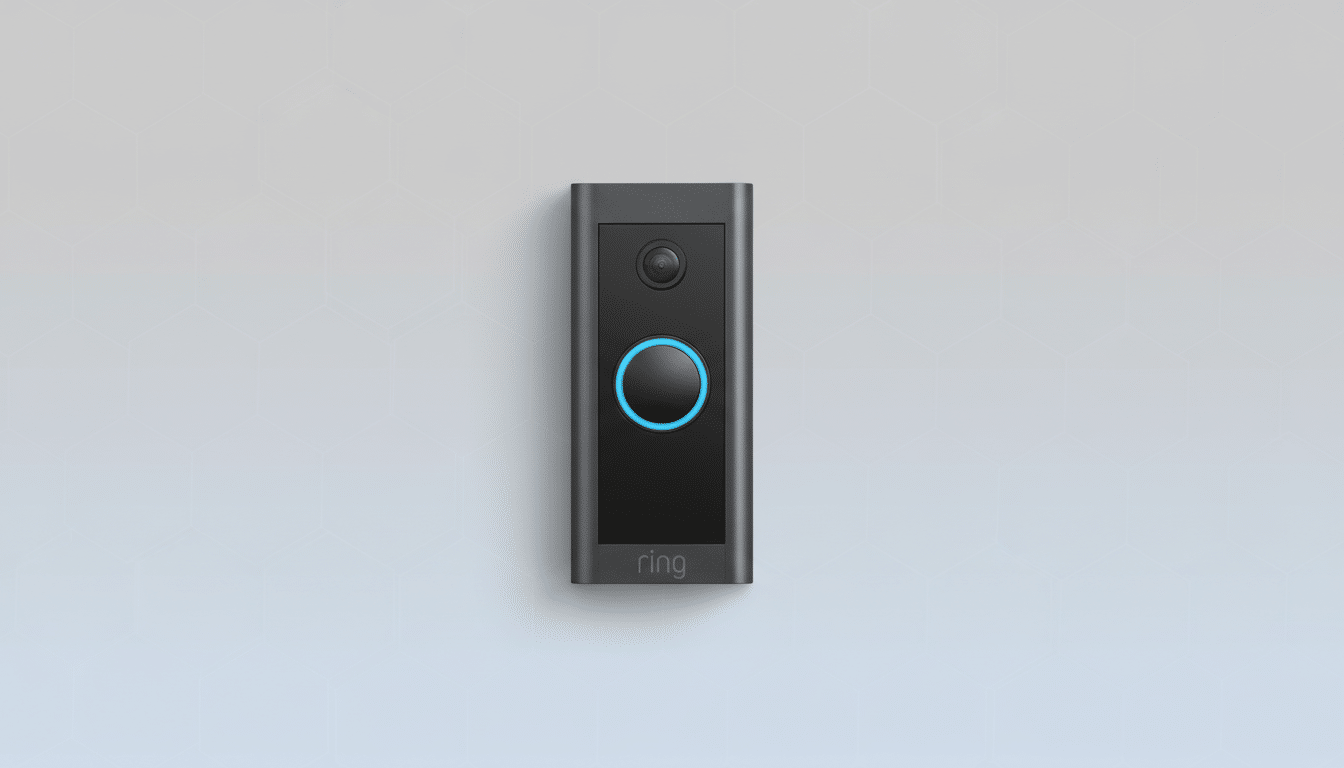
Ring faces its own trust deficit. A recent Federal Trade Commission settlement over lax internal access to customer videos put a spotlight on the company’s past security practices. Ring now offers optional end-to-end encryption for some videos and publishes transparency reports, but watchdogs argue these steps haven’t erased concerns born from years of deep police integrations. Public reporting has tallied more than 2,000 law-enforcement partners historically connected to Ring’s Neighbors program, a scale that continues to inform consumer skepticism.
Why This Reversal Matters for Smart-Home Surveillance Tech
For privacy advocates, the cancellation is proof that consumer pushback can redirect the trajectory of surveillance tech. For tech companies, it’s a reminder that “community safety” narratives no longer guarantee public buy-in—especially when integrations expand the surface area of monitoring and data sharing.
The decision also sends a signal to the smart-home industry. Partnerships that knit together public- and private-sector camera networks will face higher scrutiny from regulators and communities. Legal frameworks—from state privacy laws to city ordinances governing ALPR use—are tightening, and the reputational risk of missteps is rising.
What Ring Users Should Watch Next as Policies and Partnerships Shift
Ring says its mission is to make neighborhoods safer, but the company now appears to be recalibrating how it works with police. Users who want stronger privacy can take steps such as:
- Review Neighbors app settings for privacy controls.
- Opt out of Community Requests if you prefer not to be asked.
- Enable end-to-end encryption for videos where available.
Transparency reports, product roadmaps, and the fate of other partnerships—such as Ring’s separate tie-up with Axon—will indicate how far the company goes in rebuilding trust.
The bottom line: Ring’s retreat from Flock Safety is not just a tactical pause. It’s a marker of where public expectations now stand on surveillance, consent, and control—an acknowledgment that customer trust, once lost, is the hardest metric to recover.