


Retroid’s latest handheld has hit a speed bump right out of the gate. The company told customers it will stagger early Retroid Pocket 6 shipments after running into a production bottleneck tied to OLED screen calibration, trimming the first wave to a small batch and postponing broader fulfillment until the new process is fully online.
What Retroid Said About Initial Pocket 6 Shipments
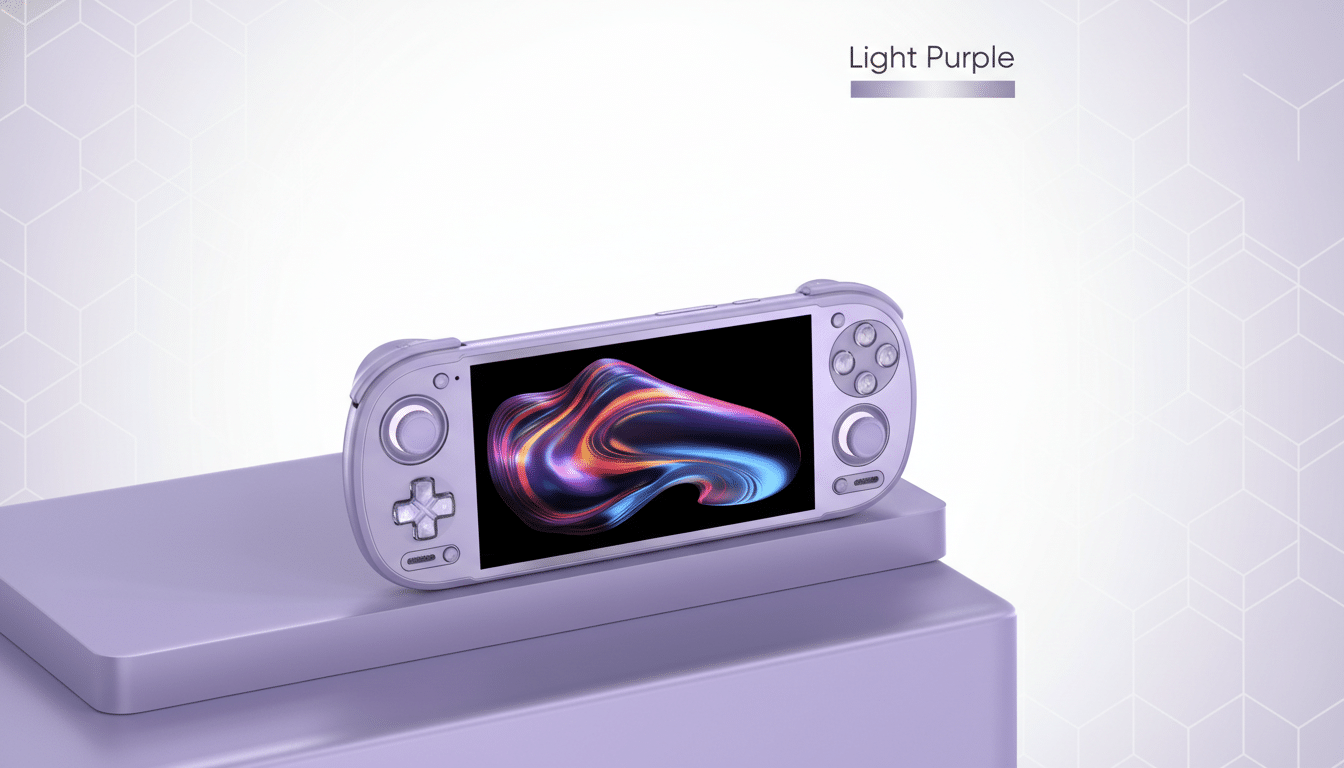
In messages shared with buyers via its official Discord and social channels, Retroid said it can only send roughly 100 units in the initial round, prioritizing a black finish to simplify the assembly line. The first batch will emphasize the version with the analog stick placed above the D-pad, with the alternate layout to follow shortly after.
The company attributed the slowdown to the time-intensive process of calibrating OLED panels for color, brightness, and uniformity. Retroid added that it has acquired additional calibration equipment and expects a roughly 10x increase in screen throughput once it’s installed and validated. There will be a brief pause while the new gear is brought online, after which a wider rollout is planned.
Why OLED Calibration Becomes A Bottleneck
OLED panels typically require per-unit calibration to correct panel-to-panel variation, including Mura correction, white point tuning, and gamma profiling. Those steps can be more time-consuming than mechanical assembly, especially during the first runs of a new product when calibration profiles and test software are still being refined.
Display manufacturing veterans note that early capacity is often limited by the number of calibration stations and trained operators rather than raw parts. As seen across the consumer electronics industry—from OLED laptops to handheld gaming devices—adding measurement rigs and maturing the calibration workflow is what enables output to scale from hundreds to thousands of units per day.
Who Gets Units First During the Staggered Launch
Retroid says black units will ship first across both control configurations, a decision the company framed as a way to avoid constant line changeovers while production stabilizes. Once calibration capacity increases and the line is balanced, the plan is to build multiple colors concurrently and ship both layout options at a steadier clip.
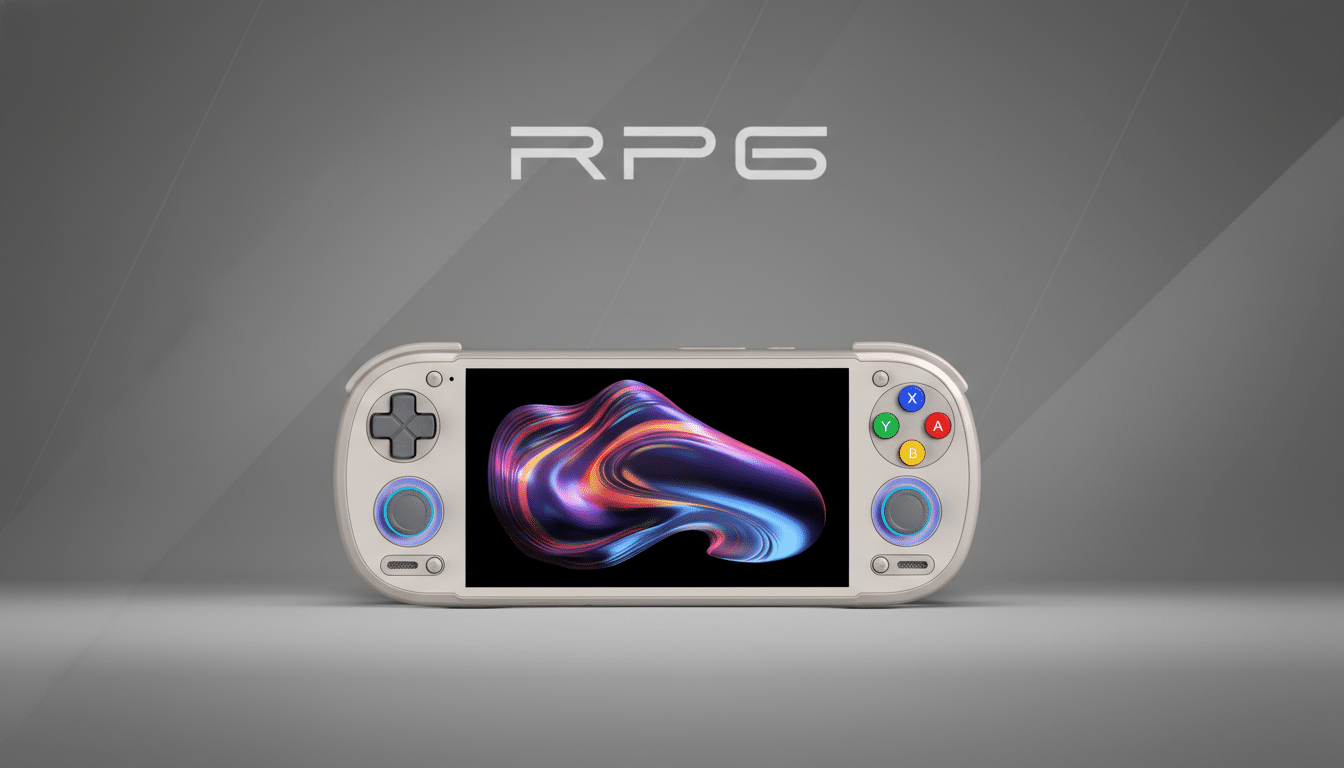
The shipping update follows a notable mid-cycle course correction. Retroid pulled the Pocket 6 earlier, reworked the design, and reintroduced it with two control layouts after community feedback. That choice gives buyers more flexibility but also adds SKU complexity—more front shells, more faceplates, and more permutations that can stress an early-stage production line.
Impact on Early Buyers and the Handheld Market
For early adopters, this amounts to a short slip rather than a prolonged delay. The company’s messaging suggests a controlled ramp, not a supply shock, with a small first wave to validate the pipeline and a larger wave once the calibration equipment is tuned.
The timing matters in a crowded Android handheld space, where devices from brands like Anbernic and Ayn compete on features and momentum. Consistent communication via Discord and X can help Retroid keep preorders intact, an approach that has worked for boutique hardware makers that scale in measured batches rather than all at once.
What to Watch Next as Retroid Ramps Up Shipments
Key markers in the days ahead include confirmation that calibration throughput has increased and that the broader shipping wave has begun. First-wave owner impressions will also be telling—particularly around display uniformity, color accuracy, and any panel variance that would indicate calibration is still maturing.
If Retroid hits its stated targets, expect a quick transition from a triple-digit trickle to a more predictable cadence, alongside the introduction of additional colors and both control layouts without further bottlenecks. Until then, the Pocket 6 rollout remains a measured ramp, not a reset.