


Year-end and resolution season sales have ushered in a rare window of aggressive fitness tech discounts, with significant deals cropping up on Garmin multisport watches, the Oura Ring, recent Apple Watch models, Peloton hardware and a wide array of accessories. If you’ve been holding off upgrading your training stack, now is the time of year when prior-gen flagships and best-in-class wearables regularly plummet 20–40 percent as inventories are cleared ahead of spring launches.
Savings lead is for smartwatches and trackers
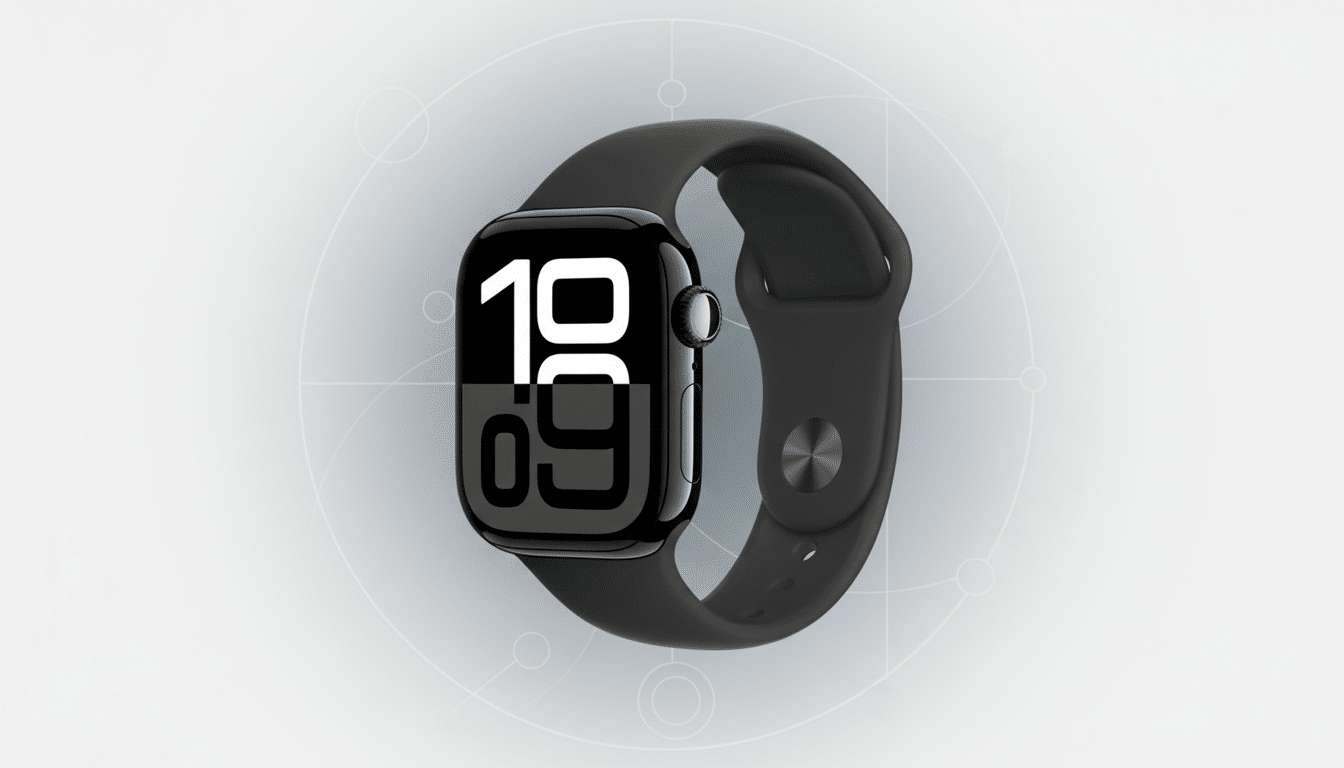
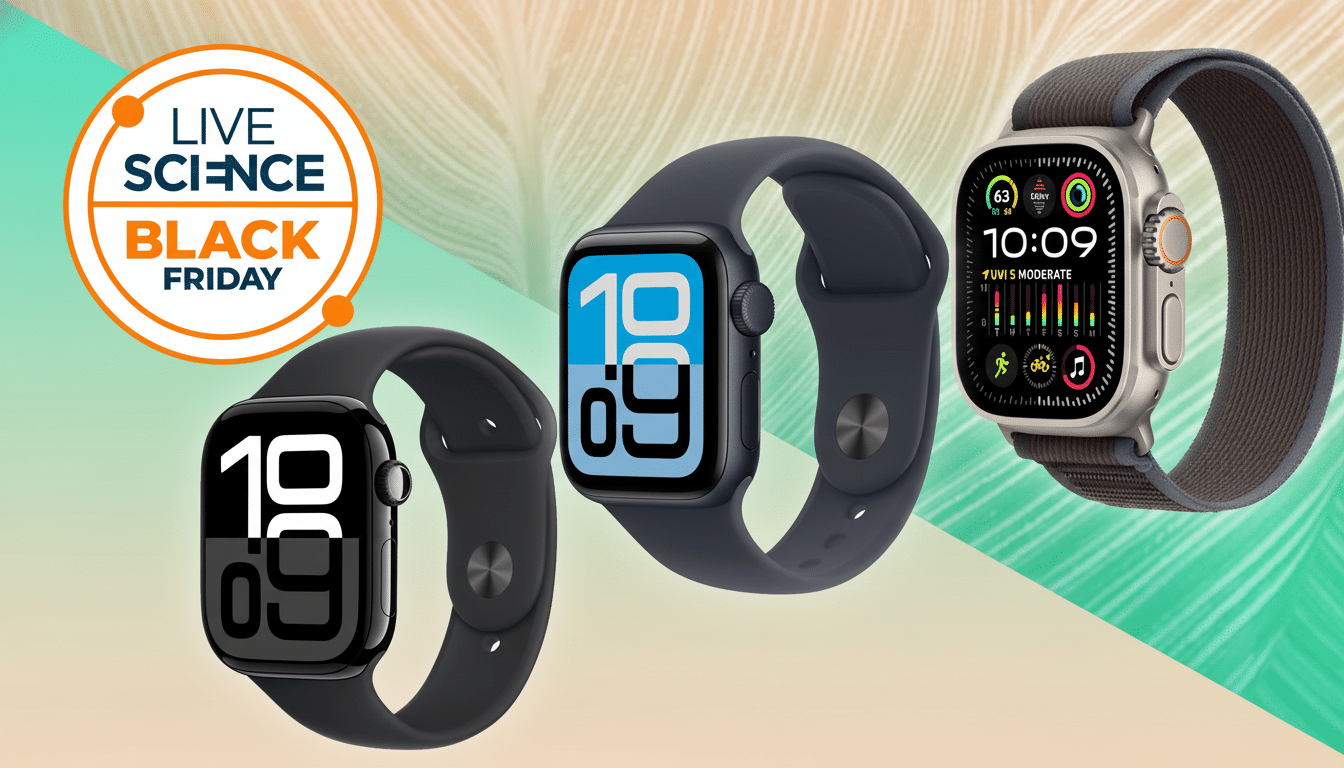
Apple Watch deals are some of the highlights as well, especially when it comes to aluminum GPS models where entry-spec configurations commonly experience $70–$120 off. Every so often we’ll see a bundle credit being offered there for Apple Fitness+ too. Due to top-shelf heart-rate accuracy and its close connection with the iPhone, it remains the best all-rounder for most people, as well as added fall detection. Consumer Reports and independent labs consistently rate the ability of Apple’s optical heart sensors to withstand steady-state efforts among the best.
Garmin’s reductions are the most enticing for endurance athletes. Look to see even deeper discounts on last-gen performance models — Forerunner 255/265, Venu 2/2 Plus, all the way up to Fenix 7 and perhaps Epix (Gen 2) — with savings between 25–35% far from unlikely. Dual-frequency GPS, accurate training load metrics from Firstbeat analytics, and week‑long battery life still outstrip many of their newer rivals — all the more reason these sale units are great value for marathoners, triathletes and hikers.
Oura’s Gen3 Ring is getting seasonal promotions that include both ring discounts and membership credits, or a discount when you buy the sizing kit instead. If sleep and readiness are your main concerns, Oura still is a standout: peer-reviewed studies in journals including Sensors and Sleep note strong agreement for trends in resting heart rate and temperature compared with clinical references, though — like most wearables — sleep stage classification lacks the precision of lab polysomnography.
Value-seeking consumers should also check out deals on Fitbit and Whoop. Fitbit’s Inspire and Charge lines often drop below the $100 line during this time; meanwhile, Whoop has counted on membership deals that discount the cost for the first few months. IDC points out that wearables shipments have increased in the high single digits over the past year, and this is showing up in some unusually aggressive holiday-to-New-Year pricing.
Peloton and rowers make big-ticket drops
Peloton’s Bike and Bike+ are getting uncommon deep base-price discounts along with accessory packages that rival monthly costs for the service. If you’re going from no equipment at all, packages that include shoes, mats and light weights may offer the biggest effective per-item savings. The company is also hawking extended app trials — nice for those wanting to give strength, mobility and outdoor audio runs a punch before committing.
Rowing machines are still hot, with the most generous discounts arriving on connected platforms. Hydrow’s Origin and Wave units might run with a $300–$600 discount off their MSRPs at this time of year, for instance, while rival “kits” from Ergatta or NordicTrack will include heart-rate straps or a longer content trial. Note that Concept2 discounts are few and far between; when they do drop, stock disappears at speed.
Audio and accessories worth snatching this season
Workout audio is a stealth upgrade that sustains resolutions. Beats Powerbeats Pro 2 and Beats Fit Pro see occasional $50–$80 discounts, with secure hooks or wingtips plus native spatial audio for Apple devices. For outdoor runners who want to stay alert, open designs like the Bose Ultra Open or a bone‑conduction set from Shokz will usually see 20–30% off during this same window.
Hydration and clothing deals are in the stack as well. Top-brand insulated bottles and popular 30–40-oz tumblers commonly receive 20–40% reductions in end-of-year color clearances. In clothing, performance brands like Gymshark, Nike, and Under Armour are running up to 50% off on select styles — including last season’s colorways. Stock moves fast in standard sizes, so be ready to set alerts or click buy.
How to choose smartly for your training goals
Match the tools to the training. Key recommendations for runners are dual-band GPS and training load metrics (Garmin Forerunner/Epix or Apple Watch using third‑party apps). Wrist comfort, recovery scores, and good audio might be more important to lifters or class enthusiasts than mapping data or week‑long battery life.
Set realistic expectations about data. Stanford Medicine says validation work found that wrist heart rate can be accurate to within about 5 percent at rest and during steady efforts, but energy expenditure (calorie burn) can vary by 20 to 90 percent depending on the device and activity. Think of calories as directional, not absolute. For sleep, trust long‑term trends — latency, resting heart rate, and temperature — more than night‑to‑night stage percentages.
Verify the true cost of ownership. Rings and bands: Some rings and bands are members-only for complete metrics; factor in one to two years of service as part of your “deal.” Some illnesses don’t allow you to sweat out the malady, so there’s a variety of other “smart bands” besides devices sold as wearables for sports that go beyond basic exercise tracking. Check return windows and battery health policies, and consider stacking offers like trade‑ins, HSA/FSA eligibility on select recovery wearables, and card‑issuer statement credits.
Bottom line on time and money when shopping now
Resolution season is one of the few times you’ll see flagship wearables and connected equipment go on sale together, and for some items even rival Black Friday.
If a machine lines up with your goals and takes a 20–30% haircut — or if you see a Peloton or Hydrow bundle that includes accessories you’d buy at retail anyway — that’s your sign.
Then put it to work. The World Health Organization suggests 150–300 minutes of moderate-intensity activity per week, and two days of strength training. The best bargain is not the cheapest price; it’s the stuff you will consistently use. So lock in the savings, set reminders when you’re about to cancel, and let the data keep you honest.