


Ever wonder what awaits you beyond Nepal’s well-traveled trekking routes? There are other undiscovered routes in the Himalayas that very few tourists ever take, each of which offers a unique blend of adventure, culture, and scenic beauty. These treks are in Nepal’s restricted areas, which are isolated areas that need specific permissions to safeguard local people, historic customs, and delicate ecosystems. The benefits are unparalleled: tranquil landscapes, genuine cultural experiences, and the unique opportunity of trekking alone, even though getting there could require more preparation. In this blog, we will learn what makes these restricted treks so unique and why they are well worth the effort.
Why Some Areas Are Restricted
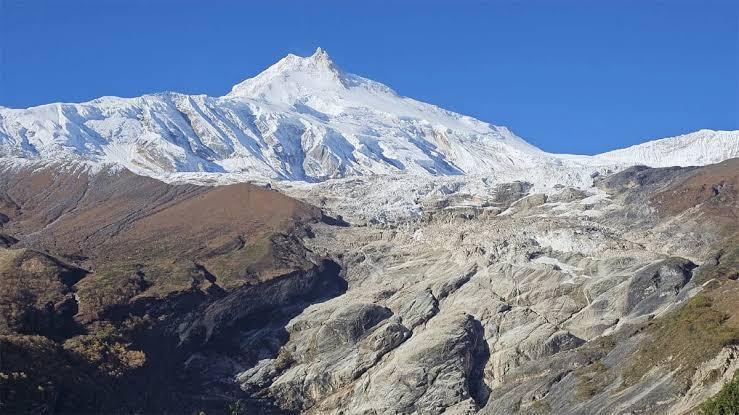
The purpose of Nepal’s restricted trekking zones is to protect valuable elements such as culture, wildlife, and history, not to deter tourists. Many of these areas are on international boundaries with India or Tibet, where delicate geopolitical circumstances require cautious handling. The limitations go beyond politics in order to protect delicate ecosystems and populations. Uncontrolled tourism might easily destroy the centuries-old customs, monasteries, and architectural styles that the villages of Upper Mustang, Upper Dolpo, and Nar Phu have preserved. Restricting access guarantees the preservation of these places’ spiritual and cultural integrity as well as the undisturbed continuation of local life.
Preserving the environment is equally vital. High-altitude environments are especially at risk: if trekkers are not properly managed, glacier streams, alpine meadows, and wildlife habitats may all suffer significantly. Authorities can control the number of visitors and lessen litter, erosion, and the burden on scarce resources by demanding special permits. These limitations strike a compromise between preserving Nepal for future generations and enabling travelers to enjoy its unspoiled beauty.
Unique Appeal of Restricted Treks
Why, then, do trekkers endure the additional paperwork, increased costs, and logistical difficulties? The explanation is straightforward: authenticity is something that the well-traveled pathways cannot provide. Away from the crowds of Annapurna Circuit or Everest Base Camp, restricted treks offer solitude that allows you to genuinely connect with the mountains. Trails wind through unspoiled, modern-era landscapes where the only sounds are the jingling of yak bells, the flapping of prayer flags, and the trickling of streams.
Immersion in culture is another important attraction. You come across groups of people who continue to live in tune with nature and practice Tibetan Buddhism or Bon customs. Every monastery offers a glimpse into ancient ideas, and every community tells a tale. Many find that the journey offers reflection, humility, and a deep sense of connectedness to both environment and humanity, becoming as spiritual as it is physical.
Restricted trips are ultimately about depth rather than speed. Every step becomes a memorable experience due to the difficulty of access, altitude, and isolation, giving trekkers memories that extend well beyond the actual mountains.
Top Restricted Treks in Nepal
Trekking in Nepal’s restricted areas is one of the most fulfilling vacation experiences one can have. Permits and rules may appear to be obstacles, but they protect the very qualities that make these places so special: unspoiled landscapes, historic cultures, and peaceful seclusion. Going on these treks is like entering another reality, where time seems to slow down and the Himalayas seem to go on forever.
Upper Mustang
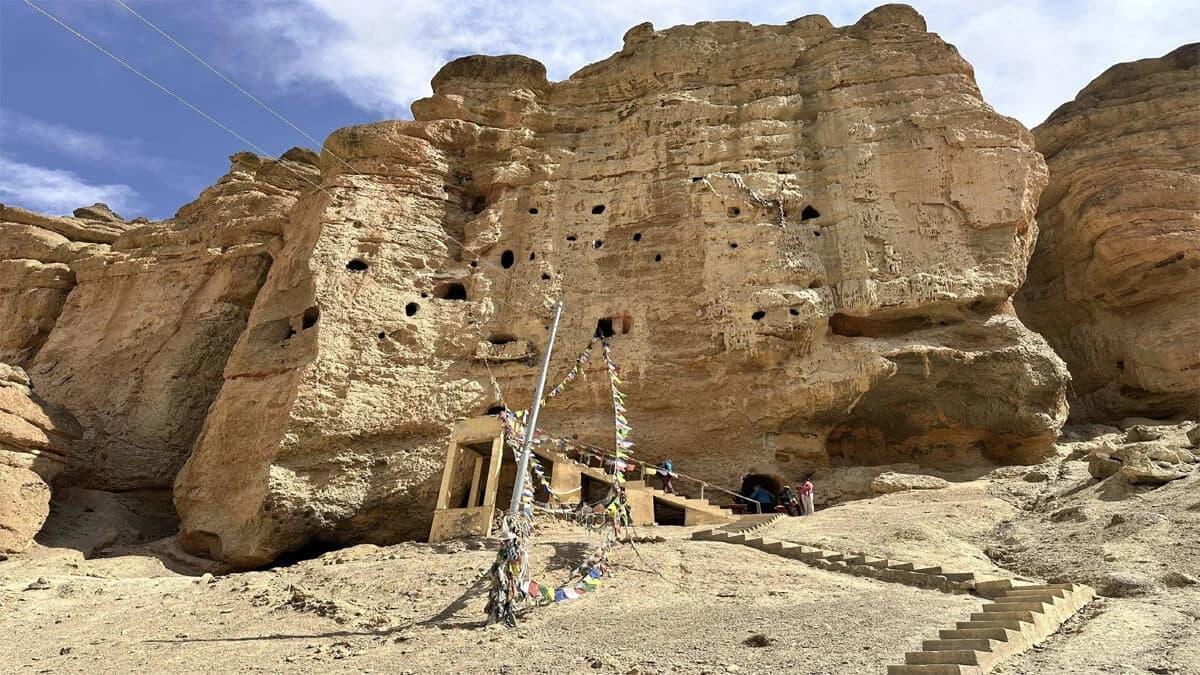
Upper Mustang is a desert-like area situated between the Annapurna range and the Tibetan plateau. It is frequently referred to as the “Last Forbidden Kingdom.” Its breathtaking red cliffs, cave monasteries, and historic walled settlements like Lo Manthang are what attract trekkers. The locals uphold centuries-old customs, monks chant in monasteries, and prayer flags fly over stone homes, all of which represent the purest expression of Tibetan culture. Every visitor must have a permit, which restricts the number of tourists and maintains the area’s tranquility. With breathtaking desert vistas set against far-off Himalayan peaks, trekking in Upper Mustang is as much a cultural experience as an adventure.
Upper Dolpo
Another isolated, high-altitude area that seems unaffected by modern life is Upper Dolpo. Trekkers can get a genuine look at life in a kingdom with Tibetan influences in this region, which is well-known for its untamed landscape, secret valleys, and yak caravans. Here, the Bon religion which predates Buddhism is very popular, and a visit to a monastery shows unique customs and rituals. Trekkers need to be physically fit, well-equipped, and prepared for lengthy days of trekking through sparsely populated valleys because of the area’s severe remoteness and lack of infrastructure. But the payoff is enormous: vast vistas, beautiful rivers, and the unique opportunity to enjoy complete solitude in the Himalayas.
Nar Phu Valley
One of Nepal’s best-kept secrets is the Nar Phu Valley, which lies outside the Annapurna Circuit. The two principal villages, Nar and Phu, combine natural beauty with cultural authenticity. Modernity has not damaged the stone buildings and prayer wheels in these communities. The journey involves traversing rough terrain, climbing high passes, and feeling the warm, genuine friendliness of the locals. Due to the region’s restrictions, trekkers usually hire local guides and obtain specific permits. A sense of going back in time and breathtaking mountain scenery, including vistas of Annapurna II and Gangapurna, reward the effort.
Manaslu Circuit & Tsum Valley
Adventure and cultural immersion come together in a special way in the Manaslu region. Trails on the Manaslu Circuit Trek wind through high passes, lush forests, and isolated villages as it round the eighth-highest mountain in the world. This trek’s extension, the Tsum Valley, is a spiritual and culturally rich area with monasteries, mani walls, and traditional Tibetan-style communities. Trekking with a licensed guide is required, and both locations require Restricted Area Permits. Because of its authenticity and remoteness, this area offers a very fulfilling experience, with unspoiled scenery and intimately personal interactions with the native way of life.
Kanchenjunga Region
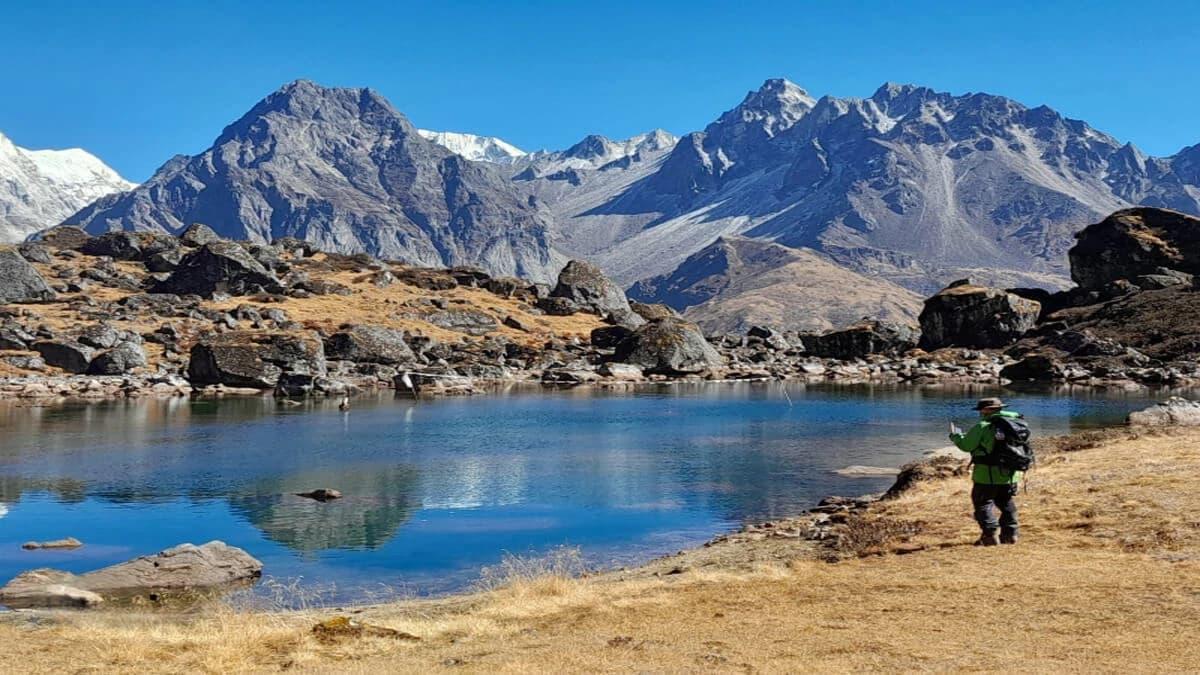
The Kanchenjunga base camp trekking in eastern Nepal provides a journey through one of the most biodiversity and least traveled parts of the Himalayas for those looking for the ultimate wilderness adventure. In the midst of snow-capped mountains, thick forests, and flowing rivers, trekkers come across Limbu and Rai tribes whose traditions have not changed much. The experience of traveling through such an unspoiled environment is unmatched, although it does require preparation due to limited infrastructure and high-altitude problems.
These forbidden treks are journeys into Nepal’s spirit, not merely adventures. Trekkers who are prepared, respectful of local customs, and eager to take on the hardships of remote trekking will discover that each region has its own distinct scenery, culture, and spiritual legacy. Nepal makes sure these secret locations stay as genuine as they have been for millennia by restricting access.
Trekkers can effectively manage permits, safety, and logistics with the help of knowledgeable operators like Nepal Trekking Routes, making these incredible adventures both possible and unforgettable.
Trekking Permits and Regulations
In Nepal, treks in restricted areas are not only risky but also closely supervised to preserve local inhabitants, the environment, and culture. The Nepalese government issues Restricted Area Permits (RAPs), which trekkers need to obtain in order to reach these areas. The procedure guarantees that visitors are counted and adhere to rules that protect the area’s delicate ecosystems and customs. In some regions, such as Upper Mustang or Upper Dolpo, it is also mandatory for tourists to travel with authorized trekking firms or employ certified guides. There are frequently strict limits on the number of trekkers who can enter at once, and permit costs differ according on the area and size of the group. Since laws and fines can change annually, it is essential to stay up to date on 2025 regulatory revisions.
Challenges of Restricted Treks
Treks with restrictions are not for the weak of heart. Trekkers must be well-prepared for self-sufficiency because of the remoteness of these paths, which results in limited lodging and few medical facilities. Another significant obstacle is altitude; many of these treks traverse high passes above 4,000–5,000 meters, requiring appropriate fitness and acclimatization. Long days of traveling across rocky or uneven routes might result in rough terrain. Equally crucial is mental toughness; isolation, erratic weather, and the absence of modern comforts try tolerance and flexibility. Unspoiled vistas, serene valleys, and genuine cultural interactions await those who are prepared to take on these difficulties.
Responsible Trekking Practices
Any restricted trek must respect the environment and local culture. Trekkers should respect customs by dressing modestly, getting consent before taking pictures of people or holy places, and being sensitive when attending festivities. It is also crucial to minimize your impact on the environment by staying on approved trails, carrying reusable bottles, and not littering. Using local products, booking guides, and staying in lodges operated by the community all contribute to the preservation of these areas. Trekkers may have a safe, genuine, and culturally rich Himalayan experience while sticking to appropriate practices.
Conclusion
Nepal’s restricted treks are trips into the heart of the Himalayas, not just endurance tests. The unmatched beauty, tranquility, and cultural diversity that come with navigating permits, difficult treks, and isolated places are worth the effort. Trekkers see sacred traditions, visit villages unexplored by mainstream tourists, and discover stunning views away from busy roads. These travels leave a deep emotional impact by teaching humility, patience, and respect. Every step becomes a significant adventure with thorough preparation and assistance from knowledgeable experts like Nepal Trekking Routes. It will transform the difficulty of restriction into an incredibly fulfilling Himalayan experience.