


A new supply chain report out of Korea has poured cold water on hopes for a display upgrade on Samsung’s Galaxy S26 Plus. Industry sources cited by The Elec say the phone will enter mass production with the same 6.66-inch OLED panel used last generation, shelving a previously explored move to a newer screen technology.
That decision leaves the mid-tier flagship looking more like a spec carryover than a visual leap, even as the top-end model is expected to gain a next-gen panel with efficiency and privacy perks.
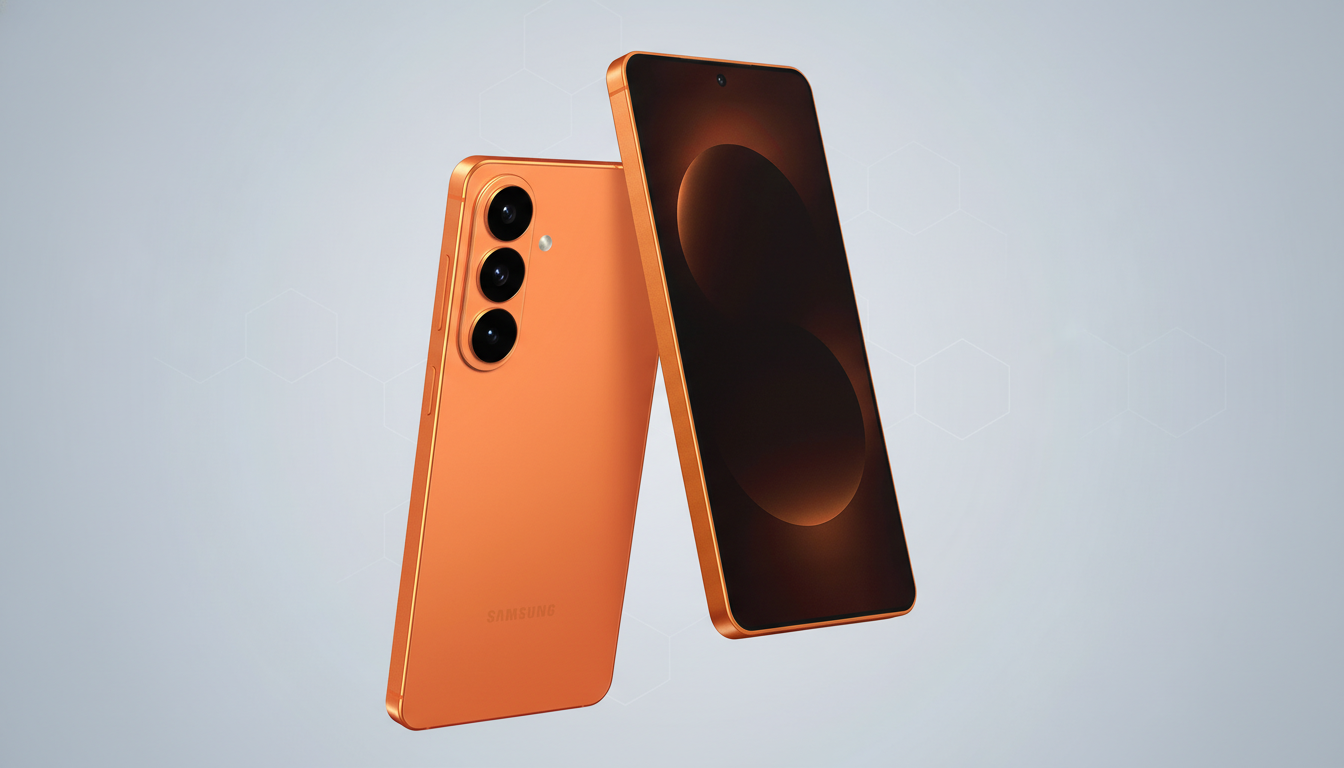
What the supply chain report says about S26 Plus display
According to the report, Samsung evaluated a more advanced OLED for the S26 Plus—reportedly the same class being developed for an Edge-branded model—but ultimately opted to stick with the existing display. While minor tuning to the OLED stack is possible (think touch layer integration, thin-film encapsulation, or polarizer adjustments), the core panel size and type remain unchanged.
The bottom line for buyers: expect familiar brightness behavior, refresh characteristics, and form factor. Any improvements are likely to be subtle and efficiency-focused rather than transformative to image quality.
Why the display upgrade for Galaxy S26 Plus was dropped
Timing appears to be the culprit. The report notes Samsung briefly considered reshaping the lineup—swapping the base and Plus models for Pro and Edge variants—before reversing course late in the development cycle. That strategic U-turn compressed the window to validate and tool up for a new panel on the Plus model.
Display industry watchers point out that introducing a fresh OLED generation typically spans multiple quarters for materials set qualification, yield tuning, and carrier certification. DSCC and other analysts have long highlighted how even incremental OLED changes can ripple through supply planning, especially when production must scale quickly across global markets.
In that context, keeping the known-good S25 Plus panel reduces risk. It preserves yields, avoids fresh reliability runs, and ensures on-time ramp—albeit at the cost of headline-grabbing upgrades.
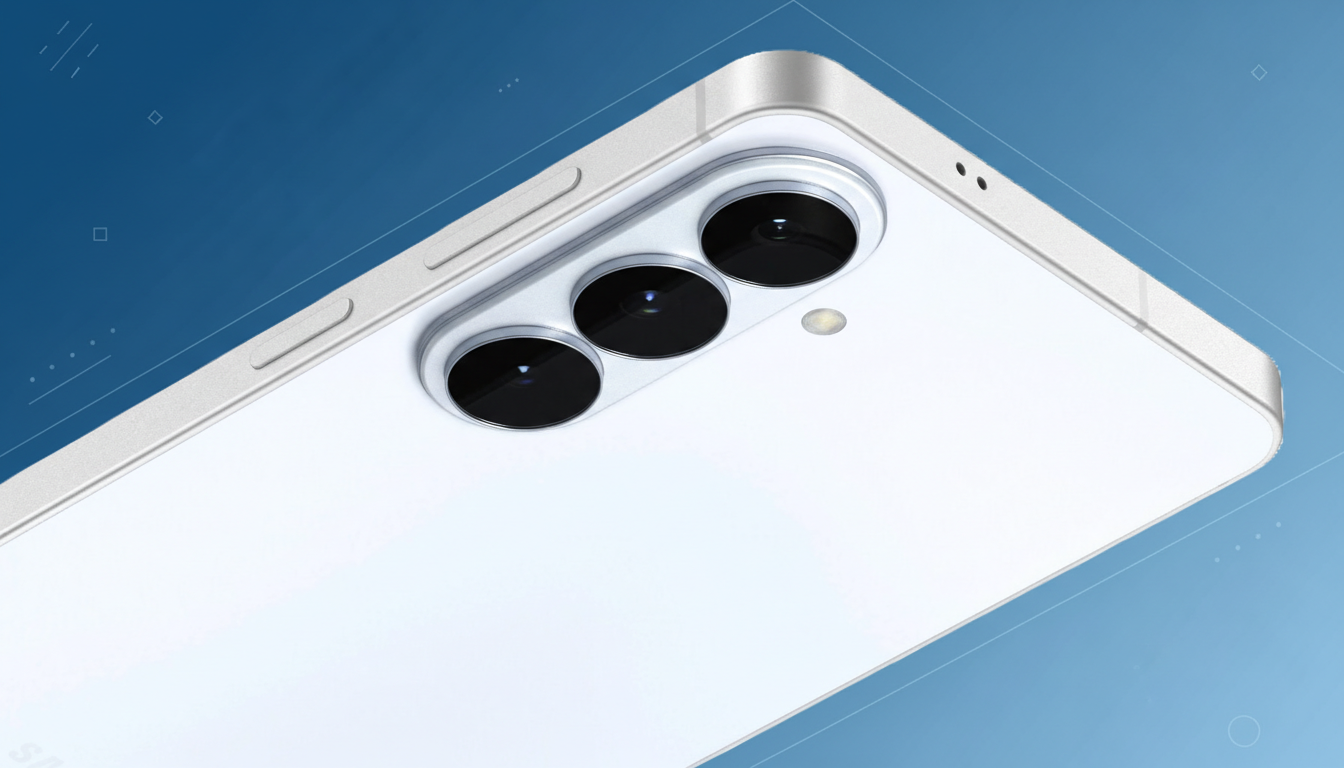
What changes Galaxy S26 Plus buyers can still expect
The S26 Plus should still benefit from a new application processor—either Exynos 2600 or Snapdragon 8 Elite Gen 5 depending on region—which can improve power efficiency and AI-assisted image processing. If Samsung tweaks the OLED’s internal layers, users might see subtle gains in battery life or slightly smoother touch response rather than a visibly new display experience.
By contrast, the Ultra model is expected to step up to Samsung Display’s M14-class OLED, which aims to cut power draw and add hardware-level privacy controls that limit off-angle visibility. That sort of “anti-peek” solution has been a frequent enterprise request, and baking it into the panel—rather than relying on software shading or aftermarket filters—could be a standout differentiator.
Production outlook favors the Ultra with higher volumes
The same report pegs planned output at roughly 3.6 million units for the Ultra, versus hundreds of thousands for the base and Plus models. That skew suggests Samsung anticipates stronger demand—and better margins—at the top of the range. It also mirrors broader market trends: research firms like Counterpoint have documented how premium tiers increasingly capture the majority of smartphone profits even when volumes are smaller.
If that forecast holds, the Plus variant’s conservative display choice may be a deliberate resource trade-off, allowing Samsung to prioritize the Ultra’s newer panel while keeping the mid-tier model stable and on schedule.
What the Galaxy S26 Plus display decision means for buyers
For anyone hoping the S26 Plus would leap to a visibly better screen, this is disappointing. The phone should still be fast and efficient thanks to its chipset, but the display experience will feel familiar to S25 Plus owners. Display enthusiasts and privacy-conscious users may find the Ultra’s panel upgrades more compelling, while value hunters could view the Plus as a steady, predictable option.
The strategy is clear: incremental refinement in the middle, headline innovation at the top. If your priority is a cutting-edge screen, keep your eyes on the Ultra. If you’re content with last year’s proven panel wrapped in fresher silicon, the S26 Plus stays in the mix—just not for its display.