


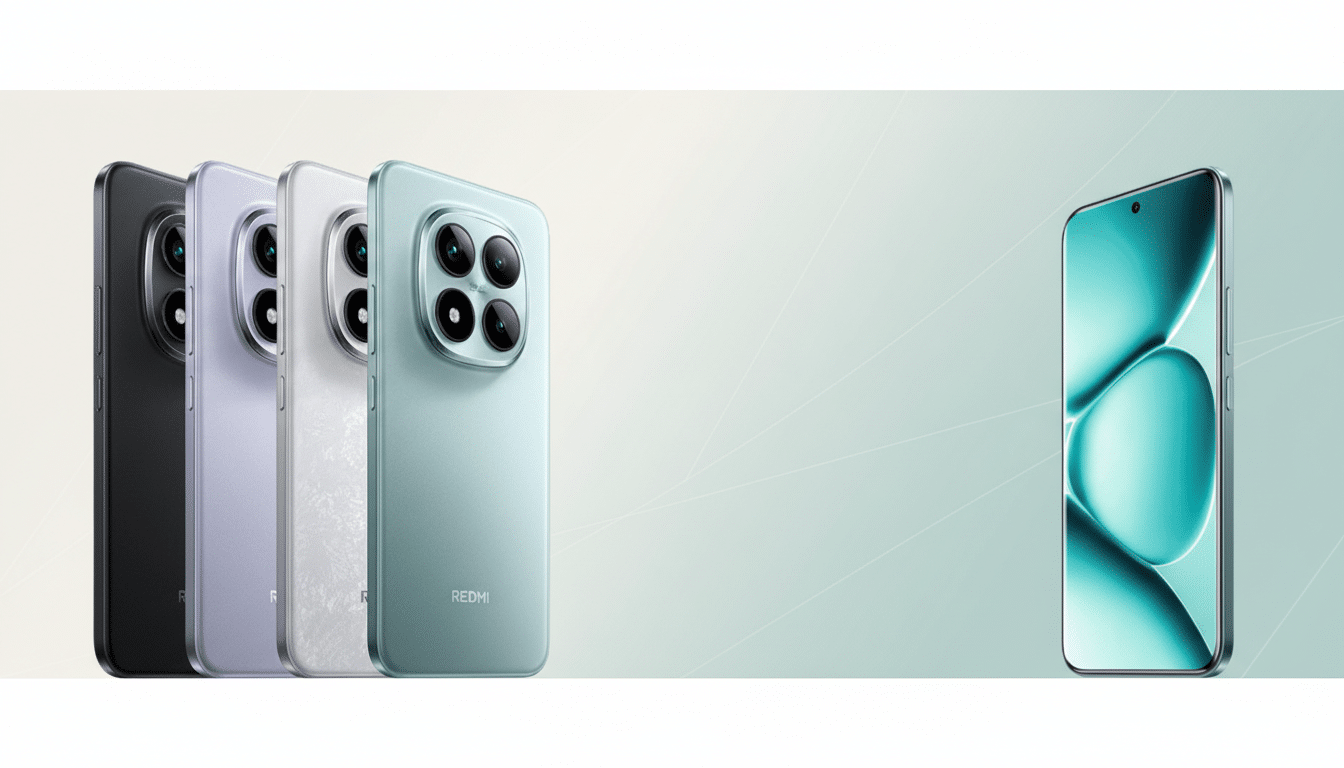
Xiaomi’s Redmi Note 15 Pro Plus, a midrange device priced at €499.99 (about $581), has aced a well-known stress test from the JerryRigEverything channel, delivering bend and scratch performance that rivals far pricier flagships. The showing underscores how smart structural engineering can matter more than exotic materials when it comes to real toughness.
Host Zack Nelson put the phone through his usual gauntlet and came away impressed with how little it flexed under significant force. The stiffness appears to stem from a reinforced plastic frame paired with a metal substructure, a “high-strength” motherboard, and a layered shock-absorbing design. In other words, durability here is baked into the chassis, not just glued on with thicker glass.
Bend Test Highlights Structural Rigor and Design
In the bend test, the Redmi Note 15 Pro Plus showed minimal deformation, performing on par with top-tier devices such as Samsung’s latest Ultra, OnePlus’s current flagship, and Google’s big Pixel Pro, according to Nelson’s comparisons. Notably, it handled stress better than a premium curved-display model in the same series of tests, where that phone’s back panel separated from the frame under pressure. The Redmi held together without visible gaps or fractures.
That outcome tracks with what materials engineers would expect: a metal subframe can distribute torsional loads more evenly, while a robust polymer outer frame resists cracking and helps keep components seated. It’s a pragmatic recipe that prioritizes the skeleton of the device over purely aesthetic materials, and it often pays dividends when real torque is applied.
Scratch Results Match Premium Glass Performance
The 6.83-inch OLED panel is protected by Gorilla Glass Victus 2 and began showing marks at level 6 on the Mohs hardness scale, with deeper grooves at level 7. That’s right in line with other premium displays. Corning has focused Victus 2 on drop performance—particularly onto rough asphalt-like surfaces—rather than on scratch resistance, which is constrained by fundamental material properties. In practice, any contact with hard silica (think beach sand) can still leave permanent marks on most phone glass.
Where the Redmi stands out is the back. Instead of brittle glass, Xiaomi used a fiberglass composite panel that shrugged off knife contact far better than typical glass panes seen on many flagships. The company claims the panel is up to 10x more impact-resistant than regular glass; while that’s a lab figure and many rivals use toughened glass, composites like fiberglass dissipate impact energy through fibers and resin rather than transmitting it to a single fracture point. The trade-off is that composites may scuff or fray, but they’re far less likely to shatter into shards.
Water Dust And Heat Jet Protection Claims
The Redmi Note 15 Pro Plus carries IP66, IP68, IP69, and IP69K ratings—unusual breadth for a mainstream handset. Under IEC 60529, IP66 covers strong water jets, while IP68 is for sustained immersion beyond one meter. IP69 and IP69K reference resistance to high-pressure, high-temperature jets, a test often associated with ISO 20653. Xiaomi also claims the phone can endure immersion at two meters for 24 hours, which goes well beyond typical flagship marketing.
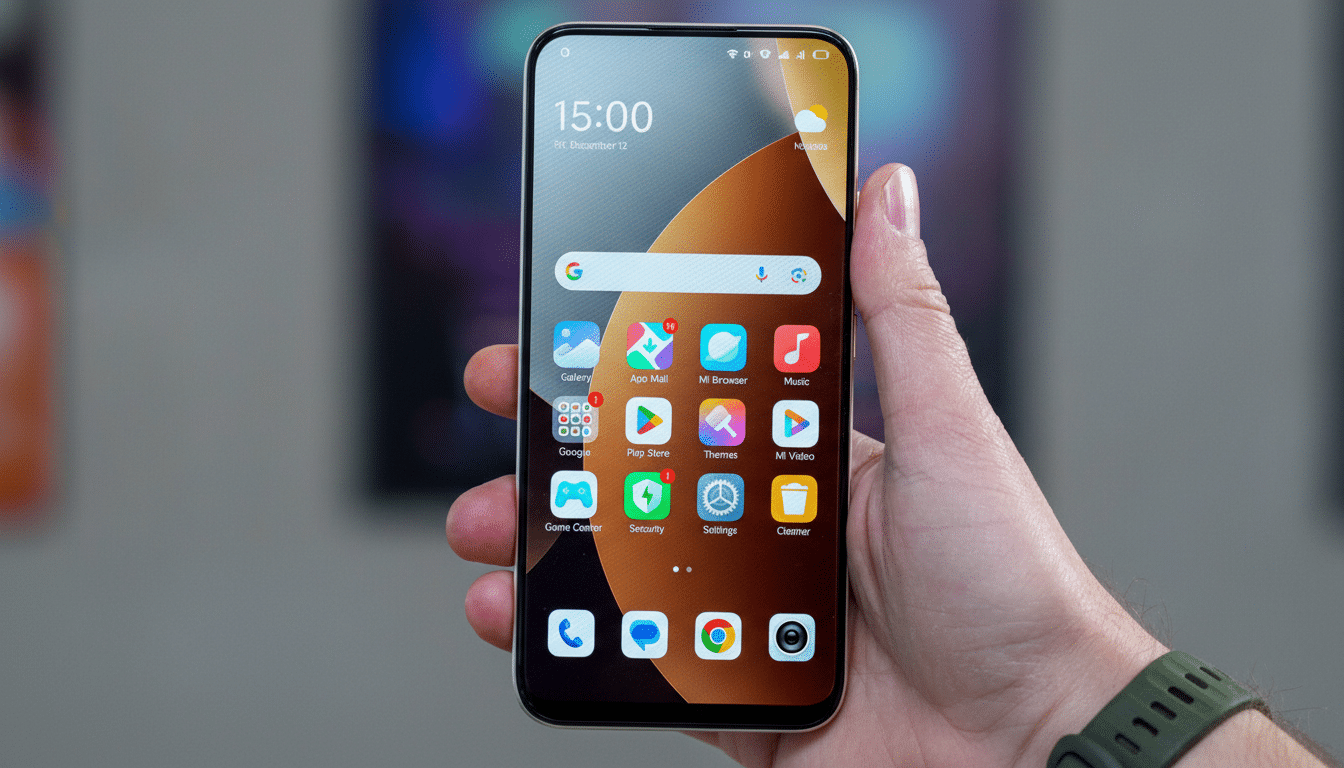
It’s worth remembering that ingress ratings are achieved under controlled conditions and that most phone warranties do not cover liquid damage. Still, for people who work outdoors or around pressurized washers, an IP69K claim on a non-rugged phone is notable and rare.
Third‑Party Certification And Real‑World Drops
Xiaomi cites SGS Premium Performance Certification for resistance to drops, crushing, and bending, along with an advertised drop tolerance of up to 2.5 meters. Independent test houses like SGS typically use standardized rigs and repeated trials, which can reveal weaknesses that a single accidental drop might not. As always, drop ratings are not guarantees—impact angle, surface texture, and accessories can all change outcomes—but they provide useful comparative signals.
Midrange Price With Flagship‑Grade Toughness
Beyond its rugged showing, the phone packs credible hardware: Qualcomm’s Snapdragon 7s Gen 4, a 6,500mAh battery with 100W wired charging, a 200MP main camera paired with an 8MP ultrawide, and a 120Hz AMOLED panel. None of those specs explain why it bent less than some $1,000-plus devices; that comes down to chassis design and materials selection, which, here, appear unusually thoughtful for the price tier.
For buyers who usually default to a case, the takeaway is confidence: a midrange handset can now deliver the kind of structural integrity once reserved for premium metal-and-glass slabs. For those who prefer going caseless—contractors, hikers, or parents who share devices with kids—this Redmi looks like a pragmatic pick, though a good bumper never hurts.
The Bottom Line On Redmi Note 15 Pro Plus Durability
JerryRigEverything’s results put the Redmi Note 15 Pro Plus on a short list of phones that punch well above their weight in durability. If you value a device that can shrug off torque, resist shattering, and keep water and dust at bay without flagship pricing, this midranger just set a new benchmark.