


Caput succedaneum is a condition that causes swelling of a newborn’s scalp due to pressure placed on the baby’s head during labor and delivery. It usually appears as a soft, swollen area on the top of the head and often improves on its own within a few days after birth. While the condition is commonly harmless, parents should understand its symptoms and know when medical evaluation may be necessary.
During childbirth, a baby’s head experiences significant pressure while passing through the birth canal, especially during long or difficult labor. This pressure can cause fluid to collect beneath the scalp, leading to a condition known as caput succedaneum. Recognizing the signs early can help parents understand what is normal and ensure their baby receives appropriate care when needed.
- What Is Caput Succedaneum?
- Common Signs of Caput Succedaneum
- Soft, Puffy Swelling on the Head
- Swelling That Crosses Skull Bone Lines
- Bruising or Changes in Skin Color
- Swelling Present at Birth
- What Causes Caput Succedaneum?
- How Doctors Diagnose Caput Succedaneum
- How Is Caput Succedaneum Treated?
- When Should Parents Be Concerned?
- Key Takeaways
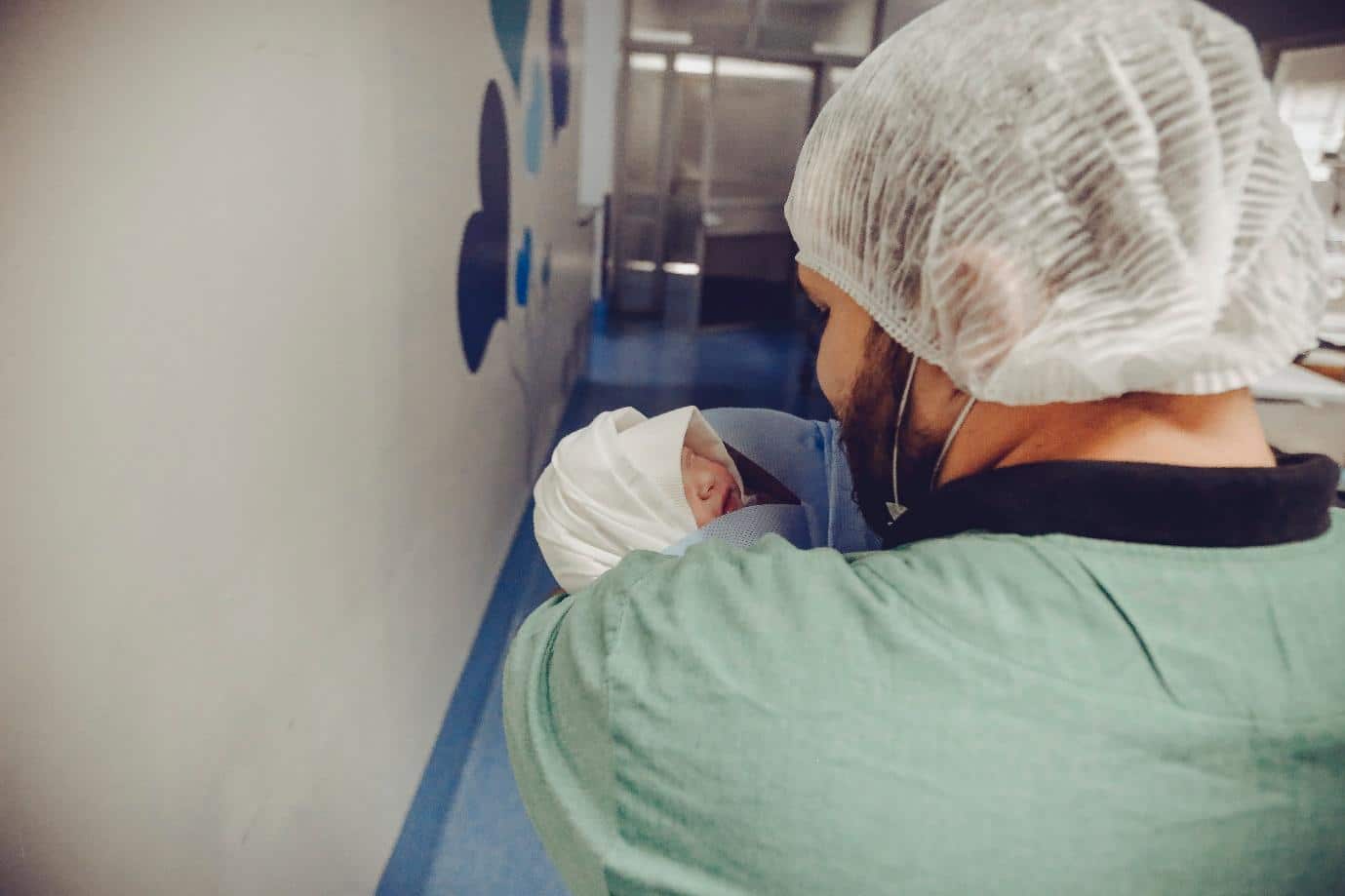
What Is Caput Succedaneum?
Caput succedaneum is a type of swelling that develops on a newborn’s scalp shortly after birth. The swelling occurs because of fluid buildup in the soft tissues of the scalp caused by pressure during delivery.
This condition is more likely to occur in situations involving:
- Prolonged labor
- Difficult vaginal deliveries
- Use of vacuum extraction devices
- Early rupture of the amniotic sac
- Increased pressure against the mother’s pelvis or cervix
Although the appearance of swelling can be concerning for parents, caput succedaneum generally does not affect the baby’s brain or cause permanent damage.
Common Signs of Caput Succedaneum
The most noticeable symptom of caput succedaneum is swelling on the baby’s scalp. However, there are several other characteristics that can help identify the condition.
Soft, Puffy Swelling on the Head
The swelling usually feels soft and may appear puffy or squishy when gently touched. It is commonly located on the top of the head where pressure occurred during delivery.
Swelling That Crosses Skull Bone Lines
One important feature of caput succedaneum is that the swelling can spread across the natural boundaries between the bones of the baby’s skull. This characteristic helps healthcare providers distinguish it from other types of birth-related swelling.
Bruising or Changes in Skin Color
Some babies may have mild bruising or discoloration on the swollen area. This occurs because small blood vessels beneath the skin may be affected by the pressure experienced during birth.
Swelling Present at Birth
Caput succedaneum is usually visible immediately after delivery. Unlike some other birth injuries that develop hours later, this swelling is generally noticed right away.
What Causes Caput Succedaneum?
The primary cause is prolonged pressure on the baby’s scalp during labor. As the baby moves through the birth canal, the pressure can restrict normal blood and fluid circulation in the scalp tissues.
Factors that may increase the risk include:
- Long labor or prolonged pushing
- Large baby size
- Difficult positioning of the baby
- Use of assisted delivery tools, such as vacuum extraction
- Low amniotic fluid levels
These factors can increase the amount of force placed on the newborn’s head during the delivery process.
How Doctors Diagnose Caput Succedaneum
Doctors can usually diagnose caput succedaneum through a physical examination. They evaluate the location, texture, and appearance of the swelling and consider details about the labor and delivery.
In most cases, additional testing is not required. However, doctors may perform further examinations if they suspect another condition, such as a deeper collection of blood beneath the scalp or another type of birth injury.
How Is Caput Succedaneum Treated?
Most cases do not require medical treatment. The swelling typically decreases naturally as the baby’s body absorbs the excess fluid.
Parents are generally advised to:
- Monitor the swelling
- Follow pediatric checkup recommendations
- Avoid applying pressure or attempting home treatments
- Report any unusual symptoms to their doctor
The condition usually improves within a few days, although mild bruising may take a little longer to disappear.
When Should Parents Be Concerned?
While caput succedaneum is usually harmless, parents should contact a healthcare provider if they notice:
- Swelling that becomes larger instead of smaller
- Signs of infection, such as redness or warmth
- Unusual sleepiness or difficulty waking the baby
- Poor feeding
- Yellowing of the skin or eyes (jaundice)
- Changes in the baby’s behavior
These symptoms may indicate another medical issue that requires further evaluation.
Key Takeaways
- Caput succedaneum is scalp swelling caused by pressure on a baby’s head during childbirth.
- The swelling is usually soft, puffy, and may cross the boundaries of the skull bones.
- Prolonged labor and assisted deliveries can increase the risk of developing the condition.
- Most cases resolve naturally within a few days without treatment.
- Parents should monitor the swelling and report unusual symptoms to a healthcare provider.
- Caput succedaneum is generally harmless and does not usually cause permanent damage.
- A medical evaluation can help distinguish it from other newborn head injuries.