


The Realme GT8 Pro feels like the OnePlus 15 that wandered off during development and came back bolder. At around €1,000, it undercuts its crosstown rival in Europe while matching or surpassing it in a few headline areas: a 200MP 3x telephoto, a big 7,000mAh battery, and a proper QHD+ 144Hz display. The trade-offs are real, but so is the ambition—and for scorned OnePlus fans, that might be enough.
Camera performance and Ricoh collaboration details
On paper, the GT8 Pro’s camera array is the most “Pro” thing about it. You get a 50MP main (1/1.56-inch), a 50MP ultrawide, and a 200MP 3x telephoto—an unusual choice that leapfrogs the OnePlus 15’s 50MP 3.5x module in raw resolution. In practice, the 200MP periscope delivers punchy, detailed 3x shots with pleasing reach, but the tuning trends toward saturated color and aggressive HDR. Compared to peers using similarly high-res tele sensors from HONOR, OPPO, or vivo, fine detail and highlight control can fall behind in tough light.
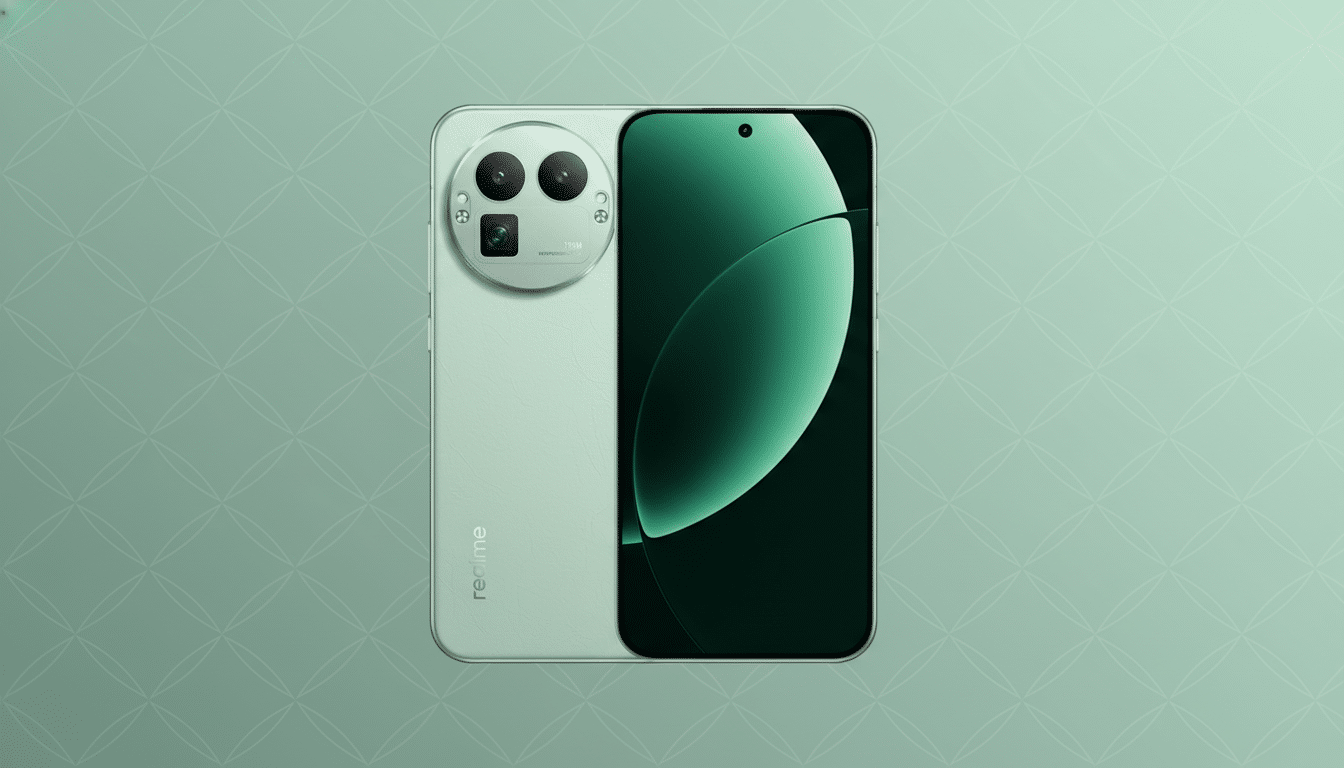
Realme defaults to higher-resolution captures in good light—often 50MP or 26MP before binning to 12MP as conditions worsen. The upside is crisp detail at 1x and 3x; the downside is bigger files and occasional haloing in complex scenes. Full 200MP telephoto shots take about seven to eight seconds to process, long enough to miss quick moments and further proof that sensor size and processing pipelines matter as much as megapixel counts.
The headline partnership is with Ricoh, resulting in a GR-inspired mode that includes classic color profiles, a minimalist UI option, and preset focus distances at one meter, 2.5 meters, five meters, and infinity. The monochrome looks are genuinely characterful, but focal lengths are locked to 28mm, 35mm, 40mm, and 50mm, limiting creative flexibility when you’d want to jump to 3x or 6x. It’s a thoughtful nod to street photography, just not a complete system replacement.
Performance under load and thermal management
Powered by Qualcomm’s Snapdragon 8 Elite Gen 5, the GT8 Pro is blazingly quick in bursts and flies through everyday tasks. But sustained performance is where reality bites. In UL Solutions’ 3DMark-style stress testing, the device can throttle heavily, with early results showing steep drops before software updates improved stability to roughly half of peak output. That is better, but still behind the best thermal envelopes we’ve seen from more conservative designs.
In real life, demanding titles like Genshin Impact and War Thunder Mobile run well at high settings, and even PS3 emulation is viable in short sessions. The only time it truly feels slow is when processing full-res 200MP shots. Extras are solid: an IR blaster, loud stereo speakers, and haptics that feel tighter than last year’s model.
Battery capacity, charging speeds, and endurance
Realme packs a 7,000mAh cell that routinely delivers two days of balanced use and around nine to ten hours of screen-on time. That trails the OnePlus 15’s 7,300mAh on paper but remains standout for a flagship. Charging is brisk: 120W wired and 50W wireless. Realme’s claim of 0-100% in 43 minutes with the in-box brick landed closer to 53 minutes in testing from 1%, still impressive given the battery size. Crucially, USB-PD PPS support means third-party fast chargers can get you near-peak speeds, a win for travel convenience.
Display quality, brightness claims, and design
This is the screen OnePlus loyalists miss: a sharp QHD+ OLED at 144Hz. Realme’s 7,000-nit peak claim is classic marketing, but the phone sustains around 2,000 nits in high-brightness mode and about 1,000 nits manually—bright enough to stay legible under harsh sun. Color accuracy and motion handling are excellent for its class.
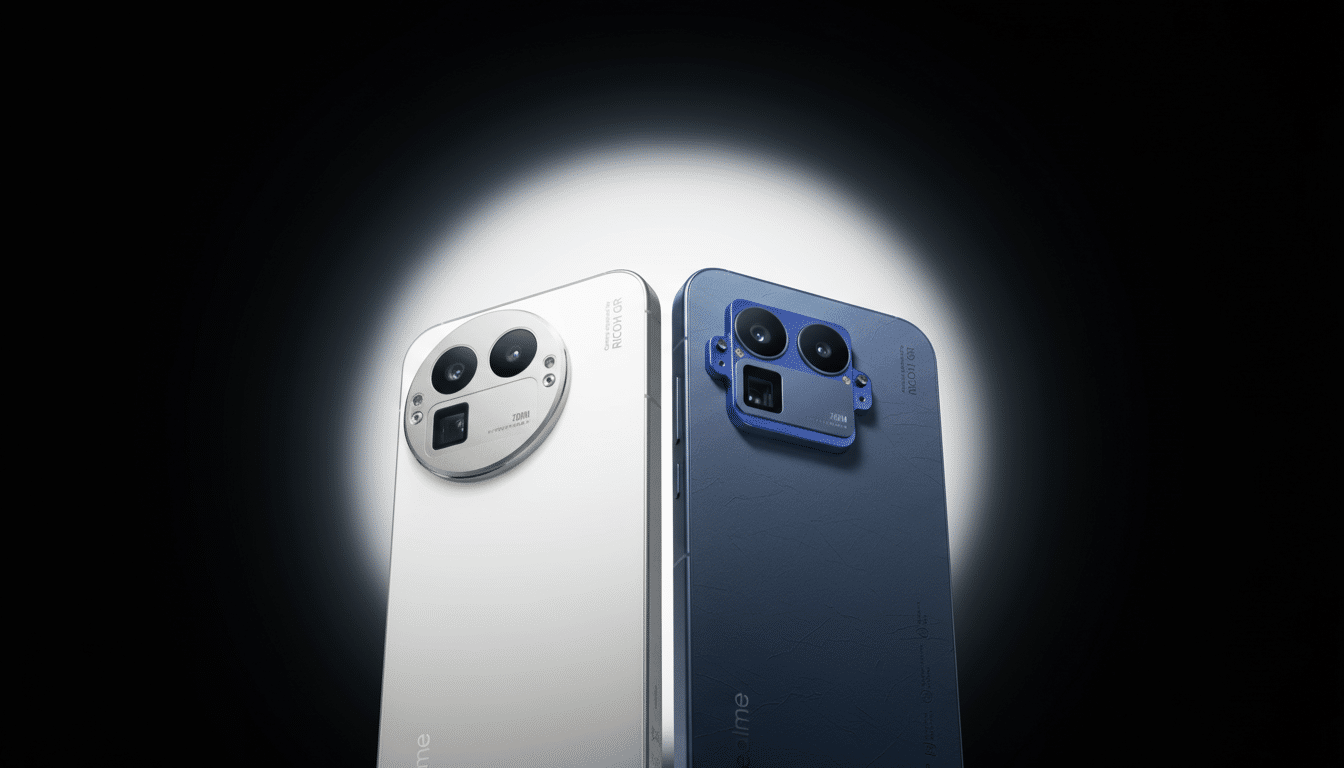
Design follows the flat-frame trend, with curved corners and a customizable rear camera island. Realme includes a Torx screwdriver so you can swap the circular bump for a square module or go bare for a mechanical, robot-like look; the company even encourages 3D-printed designs. The front uses Gorilla Glass 7i, and the chassis is rated IP68 and IP69. OnePlus counters with Gorilla Glass Victus 2 and IP69K, so it wins the spec-sheet durability duel, but the GT8 Pro still feels well-armored.
Under-display biometrics shift from last year’s ultrasonic to an optical sensor. That’s a downgrade on paper—ultrasonic is more reliable with moisture and can double as an underwater shutter—but unlocks remain quick and mostly dependable with damp fingers. Small concessions, big battery and screen.
Software update policy and practical AI features
Realme UI 7 is packed with quality-of-life touches: per-app volume sliders, a Dynamic Island-style overlay for alerts, and a handy double-tap back gesture to scan QR codes. Bloat is lighter than before, though some preinstalls persist. Update policy lands at four major Android versions and five years of security patches—behind leaders like Google and Samsung but serviceable for the price tier.
AI shows both promise and restraint. A Gemini-powered Framing Master provides cloud-based composition tips in the viewfinder, echoing camera coaching seen elsewhere. It’s clever, but on-device processing would be faster and more private. System-wide AI offers transcription, translation, and notification summaries; the latter often rewords already-short alerts, a reminder that usefulness beats ubiquity in AI rollout.
Verdict: strengths, trade-offs, and who should buy it
The GT8 Pro is the OnePlus 15 from a parallel universe: the QHD+ display stays, a 200MP tele lands, and battery life is heroic. In return, you accept thermal throttling under sustained load, inconsistent color science from the main and ultrawide cameras, and an update policy that trails the class leaders. If you loved what OnePlus used to prioritize—resolution, speed, and value—this Realme is the closest modern echo. If you need ironclad thermals, top-tier camera consistency, and broader availability in North America, the OnePlus 15 remains the safer pick.