


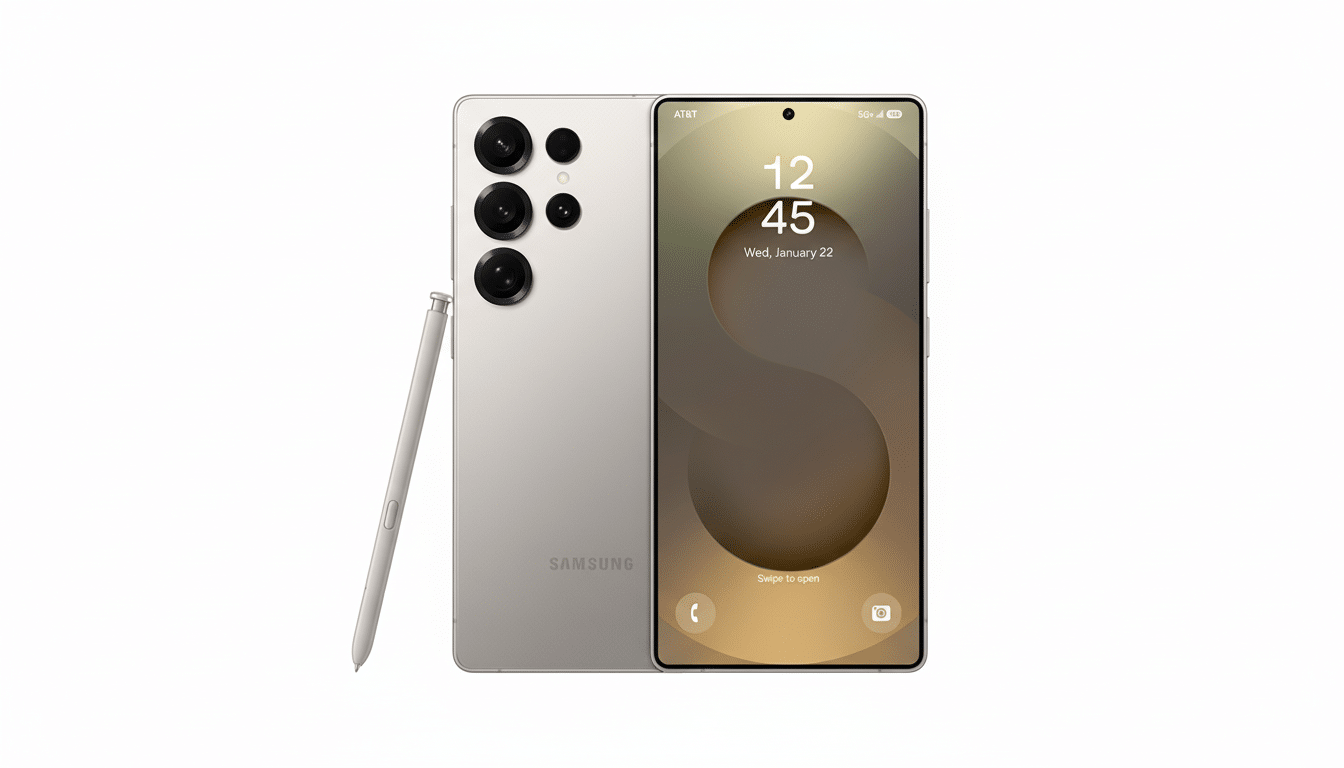
It took three days of voting — across the web and on social with thousands taking part — but you have crowned the Samsung Galaxy S25 Ultra the Best Phone of 2025 in this year’s Reader’s Choice vote. In a heavyweight-laden field, Samsung’s top-tier flagship rose to the occasion, pulling away in the last lap for an overwhelming win.
The outcome dovetails with longstanding enthusiasm for Samsung’s Ultra-class phones, but the route to victory could hardly have been predicted. Plot twists, nail-biting eliminations, and a late-stage momentum shift made this one of the most dramatic community votes in recent memory.
How the voting unfolded across rounds and platforms
The process started with a wide field of 38 phones, the most ever in the history of this annual vote. Sure enough, the Galaxy S25 Ultra and Google’s Pixel 10 Pro XL shot to the top in the five-hour introductory round of our whirlwind 24-hour elimination round, much as they have during previous years.
Then came the curveballs. Early on, Samsung’s Galaxy Z Fold 7 got out to a nice early lead, before the iPhone 17 made a late charge to clinch a spot in the final four. The OnePlus 13 and OPPO Find X9 Pro mounted comebacks, but the iPhone held off the OnePlus 13 by only two votes to move on — an excruciatingly close call that would reverberate through later rounds.
There were two data points that jumped out from the elimination round. The OnePlus 13 received almost double the number of votes as the newer OnePlus 15, showing clear reader dissatisfaction with the latest OnePlus flagship. And despite its premium positioning, the iPhone 17 Pro was soundly beaten by the vanilla iPhone 17, a strong reminder of how they are also value contestants ranked by spec sheets in our community (private) polls.
Final four dynamics and how the Pixel vote split
The round of four — Galaxy S25 Ultra, Pixel 10 Pro, Pixel 10 Pro XL, and iPhone 17 — advanced to the more open-ended voting on Threads, X, YouTube (through comments), and Engadget itself. That growth flipped the script: The Galaxy S25 Ultra passed the formerly dominant Pixel 10 Pro XL, and the iPhone 17 surged into second place.
The difference maker was the archetypal split vote. Pixel loyalists were split between the 10 Pro and 10 Pro XL, depriving either of them of critical mass to take on Samsung directly. If votes had coalesced around the XL, it would have made for a much closer contest — a lesson in how plurality systems favour unified blocs.
There was also a historical wrinkle: it’s the first time an iPhone has reached the finals in this Reader’s Choice format, and one of the few times in a long time there wasn’t a Pixel when it got to the final round. For long-term fans, it was a break from tradition, not a repeat.
The showdown and why the Galaxy S25 Ultra won
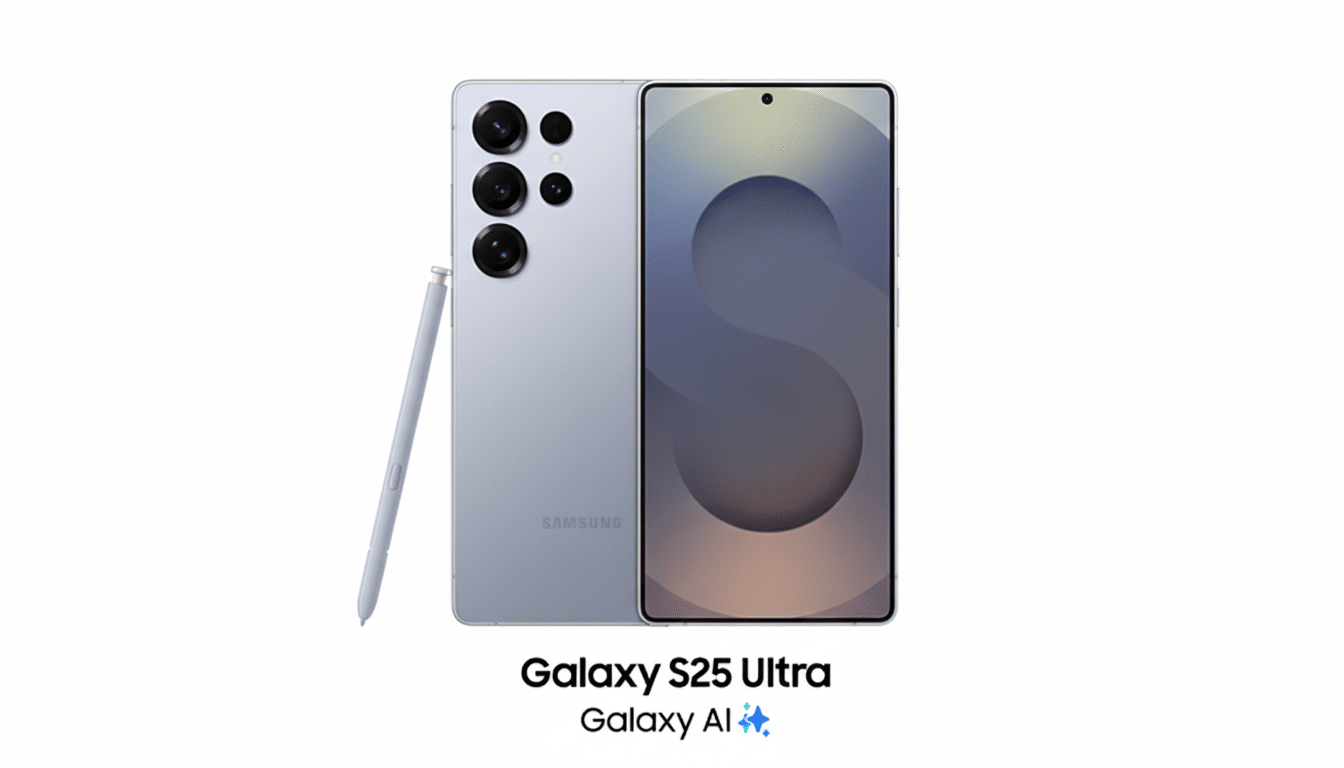
In the finale — Galaxy S25 Ultra vs. iPhone 17 — the conclusion was unanimous. The iPhone was a good value case this cycle, but the Ultra crushed on the popular vote in all channels. Some said the iPhone had made greater strides from one year to the next, but that wasn’t enough of a reason to oust Samsung’s all-rounder.
Why the Ultra? It ticks the boxes most important to performance and camera fiends: a 6.9-inch QHD+ display, an in-display S Pen, the same 200MP main camera with 100x Space Zoom that pops up when you need it, and a Snapdragon 8 Elite overclocked alongside up to 12GB of RAM and (way) more than 256GB of storage. The long-term confidence of the now seven years of software support makes a huge difference and, while that $1,299.99 price is going to be steep for many people, it’s right on par with the Ultra’s “no-compromises” pitch.
Many industry analysts, including Counterpoint and IDC — which obviously make a point to study consumers as (Western) product providers reveal less-than-perhaps-morally-based directions through their advertisements — have re-emphasised how the premium-phone purchase is ultimately the result of camera quality, battery life, and longevity. The S25 Ultra embraces those pillars, and it’s a big part of why this product hit hard with voters who value a go-anywhere camera system and long-term support over experimentally designed form factors or very marginal spec gains.
What the results suggest for next year’s contenders
It’s remarkable that no Pixel was able to make it past the final round. Google’s flagships have been solid finalists, sometimes even outright winners in past years — and thus their most credible threat to Samsung. This time, it was splitting across two Pixel models that appears to have cost Google a shot at the crown.
The near-miss for the OnePlus 13, which missed out by just two votes, would seem to show there’s still an appetite for performance-first flagships at aggressive pricing — especially when the successor doesn’t quite deliver across all key points. Foldables, for their part, keep flirting with contention; the Z Fold 7’s early rally indicates interest is real if not yet fully transformed into finale-stage momentum.
For the moment, certainly, the story is Samsung’s. Not only did the Galaxy S25 Ultra win, but you were persuaded that in 2025 a single phone could deliver power and photography and longevity and polish without significant compromise. Big shout-out to the Galaxy S25 Ultra — your Reader’s Choice best phone of 2025.