


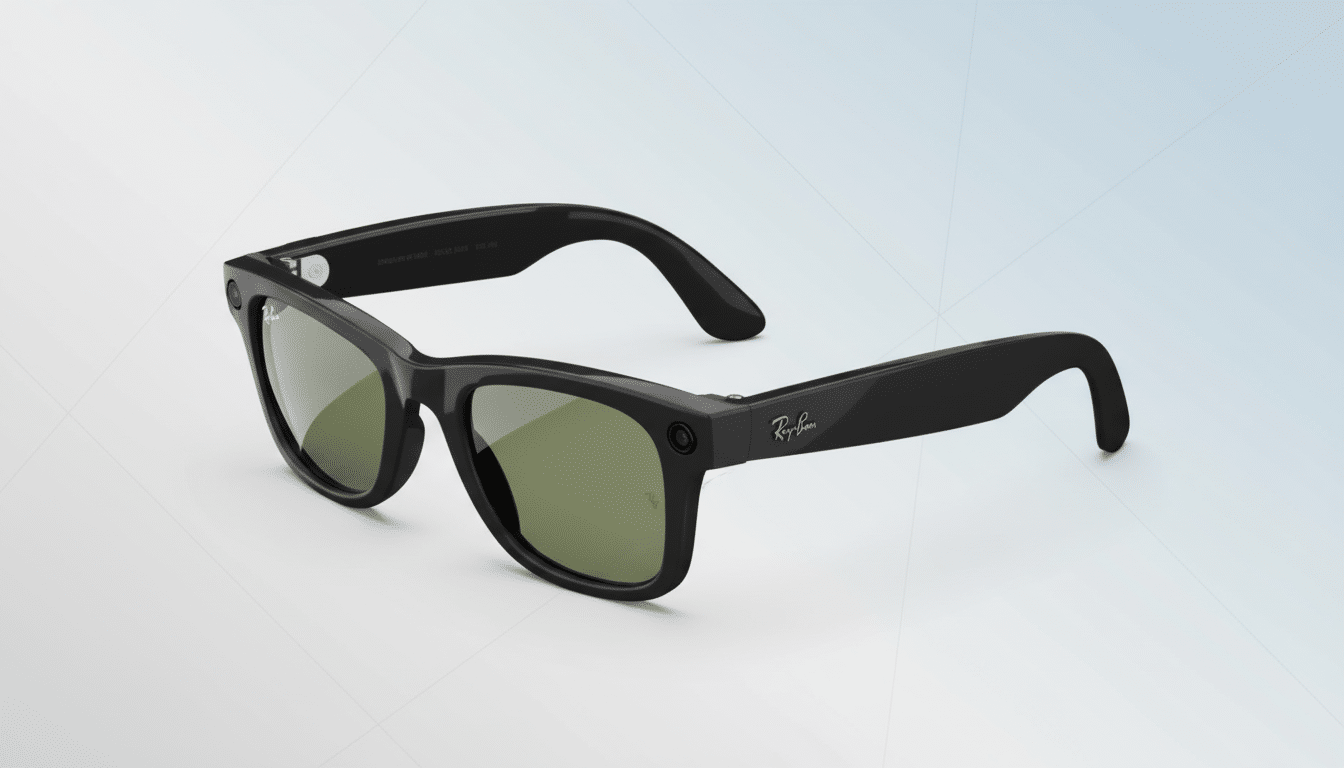
The Ray-Ban Meta (Gen 1) smart glasses, which are usually priced at $329, have a standout discount making them available for $246.75 on Amazon. That’s 25 percent off, or a savings of $82.25, and a new record low for this set according to the long-running price tracker CamelCamelCamel.
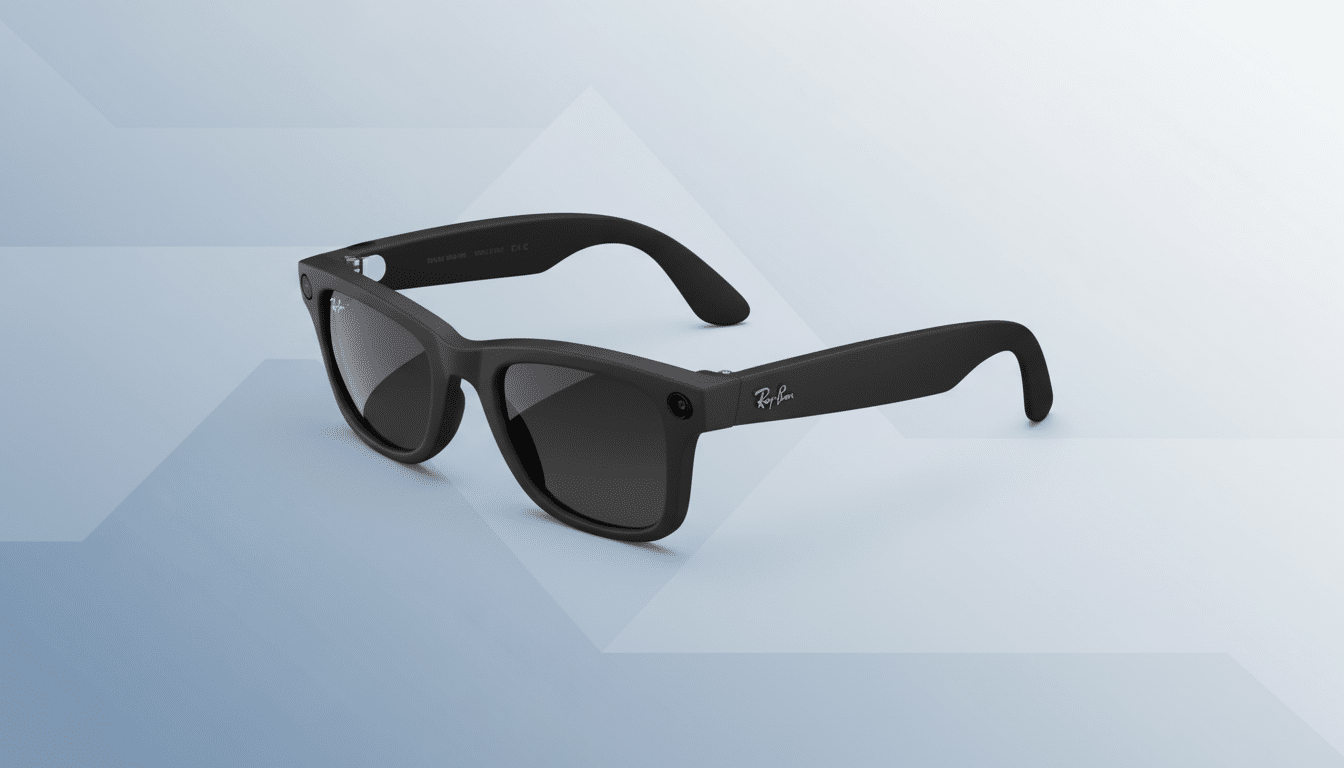
For those who are always hesitant about making the smart-glasses leap, this type of discount makes trying a pair far more accessible. These frames maintain the classic Wayfarer shape and also quietly house a camera, open-ear speakers, and Meta’s AI assistant—meaning you get some useful tech without broadcasting to everyone that you’re wearing a gadget.
Why This 25% Cut Is Noteworthy for Smart Glasses Buyers
Sales on flagship smart glasses rarely exceed 25%, and most sales hover around 10–15% whether or not it’s a larger shopping event. Going under the $250 mark is significant, because it changes where you think about this sitting in value terms: at sub-premium audio wearables pricing for a thing that can also capture content and run an AI assistant hands free.
The price also falls below many of the niche smart eyewear available today, much of which doesn’t have a camera or built-in assistant. If you’ve been shopping around comparing models, this deal gives the Ray-Ban Meta a distinct advantage on cost-to-feature ratio.
What You Get with Ray-Ban Meta Smart Glasses (Gen 1)
Developed with Ray-Ban’s eyewear know-how, the Gen 1 remake frames retain classic style and fit that include Wayfarer options and prescription-friendly lenses through authorized providers. The hardware combines an ultra-wide 12MP camera, taking pictures and videos at 1080p, with open-ear speakers and a five-microphone array that promises better calls and voice capture overall.
Meta AI is the big news. You can ask questions, set reminders, and employ hands-free control, and the assistant features real-time translation between English, Spanish, French, and Italian. With the “look and ask” feature, they can tap into the camera for context-aware AI queries while connected, like what landmark you’re trying to look at or what sign is in front of you.
“There’s no more fumbling with your phone and losing the shot,” reads the summary. Creators get frictionless capture and sharing: a single tap is all it takes to start shooting video, and you can livestream directly to Facebook or Instagram when you want to share moments on the fly. For privacy, an LED on the front signals when the camera is in use, a design cue consistent with industry standards emphasized by digital rights groups.
Real-World Use Cases for Ray-Ban Meta Smart Glasses
Travelers can translate menus or directions without opening a phone. Cyclists and commuters are able to take calls or auditory directions from navigation apps while still remaining contextually aware of their surroundings with open-ear audio. In the kitchen, hands-free timers and step-by-step instructions are genuinely helpful, and parents will like that they can snap a moment without first fumbling for a camera.
For short-form video and livestreams, the view is more natural than from a chest mount (it’s also less invasive) or holding your phone. The multiple-mic array is designed to aid with voice isolation, although there can still be wind noise problems, as reviewers and feedback from creators regularly mention.
What to Know Before You Buy and Use These Smart Glasses
The charging case is essential. It’s the major means of powering the frames, and losing it could render the glasses unusable until you can find another. Monitor it, and think about a case strap or a dedicated pocket in your bag.
Battery life depends on recording, streaming, and AI use. When you unplug, you can expect hours of mixed use rather than all-day video. You will control settings and media through the Meta View app on iOS or Android, and there is Bluetooth for connectivity, but Wi-Fi is used when necessary for bandwidth-hungry tasks.
As with all camera wearables, always respect the law and etiquette of what’s going on where you are. Organizations like the Electronic Frontier Foundation recommend that people who are recording in shared spaces signal and obtain consent—sound advice even with the built-in capture light.
How It Compares, and Who Should Consider Buying Now
As a pair of audio-only frames from one of the traditional headphone brands, Ray-Ban Meta packs in a good enough camera and an emerging AI assistant all while preserving day-to-day style. Compared with creator-focused camera glasses, it gets more right in terms of voice features, translation, and social integrations. Not an AR headset, which means no floating overlays, but the combination of design, capture, and AI makes this the most mainstream smart-glasses package right now.
If you are in the market for hands-free photos and video, discreet calls, a wearable AI assistant or fatherhood with a digital footprint of information readily available whenever they pop it on their face and say “OK, Glass,” this is the time to buy. A 25% discount here is the rare deal that it makes sense to jump on: Inventory tends to get tighter around big sale windows, and this particular price has never been lower.