


A rare deal has cut $59 from the Deeper Connect Air portable decentralized VPN travel router, bringing the price down to $159.97 from $219 for a limited time.
It works on hotel or café Wi‑Fi, offering always-on privacy for travelers, hybrid workers, and anyone else who connects to the web via Wi‑Fi hotspots without a monthly subscription fee.
- Why a portable VPN router matters for travelers
- DPN vs. VPN: what you’re really getting with this router
- Key specs and real-world perks of Deeper Connect Air
- Who should consider this portable privacy travel router
- What to know before you go: limits and caveats
- Bottom line: is this portable VPN router worth buying?
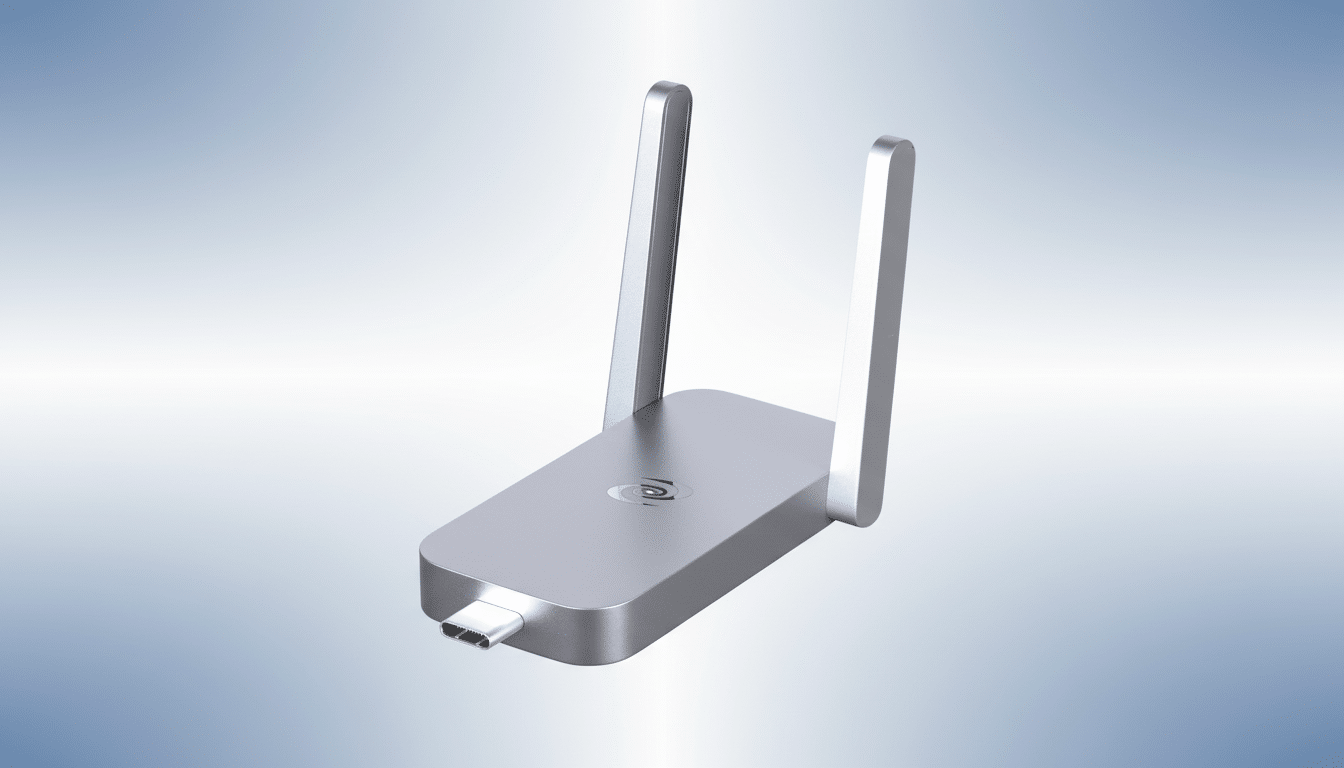
Instead of a traditional VPN app that is installed on a single phone or laptop, this hardware router resides between you and the network, encrypting traffic for as many as five devices connected to it at a time. It’s meant to be plug-and-play, light enough for a carry-on, and ships free while the promotion lasts.
Why a portable VPN router matters for travelers
Public Wi‑Fi is still the lowest-hanging fruit for payment data theft using rogue hotspots, session hijacking, or man-in-the-middle tactics. The FBI Internet Crime Complaint Center has reported cybercrime losses that have surpassed $10B over the past few years, and breaches featured in the Verizon Data Breach Investigations Report consistently demonstrate that compromised credentials and poor network hygiene enable a majority of intrusions. A specialized privacy gateway cuts risk before your phone or laptop ever talks to a potentially unfriendly network.
For frequent fliers, the more practical benefit is consistency. The cumbersome task of logging into a VPN on each device or failing to secure a tablet is replaced by the travel router, which creates a secure tunnel for whatever connects to it — phones, laptops, and e-readers but also streaming sticks in business-center hotel rooms.
DPN vs. VPN: what you’re really getting with this router
The Deeper Connect Air connects via DPN (decentralized private network), not through a traditional, centralized VPN. In other words, instead of being delivered through a few vendor-controlled servers, in a DPN model traffic could be sent through a mesh network of community nodes. The company boasts over 80,000 worldwide nodes and a peak throughput of up to 300 Mbps — more than sufficient for HD streaming and video calls when the local network is decent.
Advocates say serverless architecture minimizes single points of failure and decreases the incentive to centralize logging. “There are multiple knock-on effects, though,” says Zemnitskiy, who adds that routing through community nodes would also need to be coupled with strong end-to-end encryption and “smart path choice” to minimize metadata exposure. In practice, “military-grade encryption” refers to roughly AES-256 with modern key exchange — the standards that NIST cites, and the ones we see dominating enterprise VPNs. Like any privacy tool, it’s independent audits and transparent security practices that are the gold standard; buyers should be looking for vendor documentation and community scrutiny.
Key specs and real-world perks of Deeper Connect Air
In addition to tunneling traffic through its network, the Deeper Connect Air, for example, bakes in quality-of-life features like ad/tracker blocking (toggle with one click), point-and-click parental controls, multi-region nodes that help users tap into content libraries abroad, and Web3 readiness for those who want a more secure means of interacting with decentralized apps. The device can protect up to five devices at once, easily enough for a traveler’s phone, laptop, tablet, and perhaps even a streaming dongle.
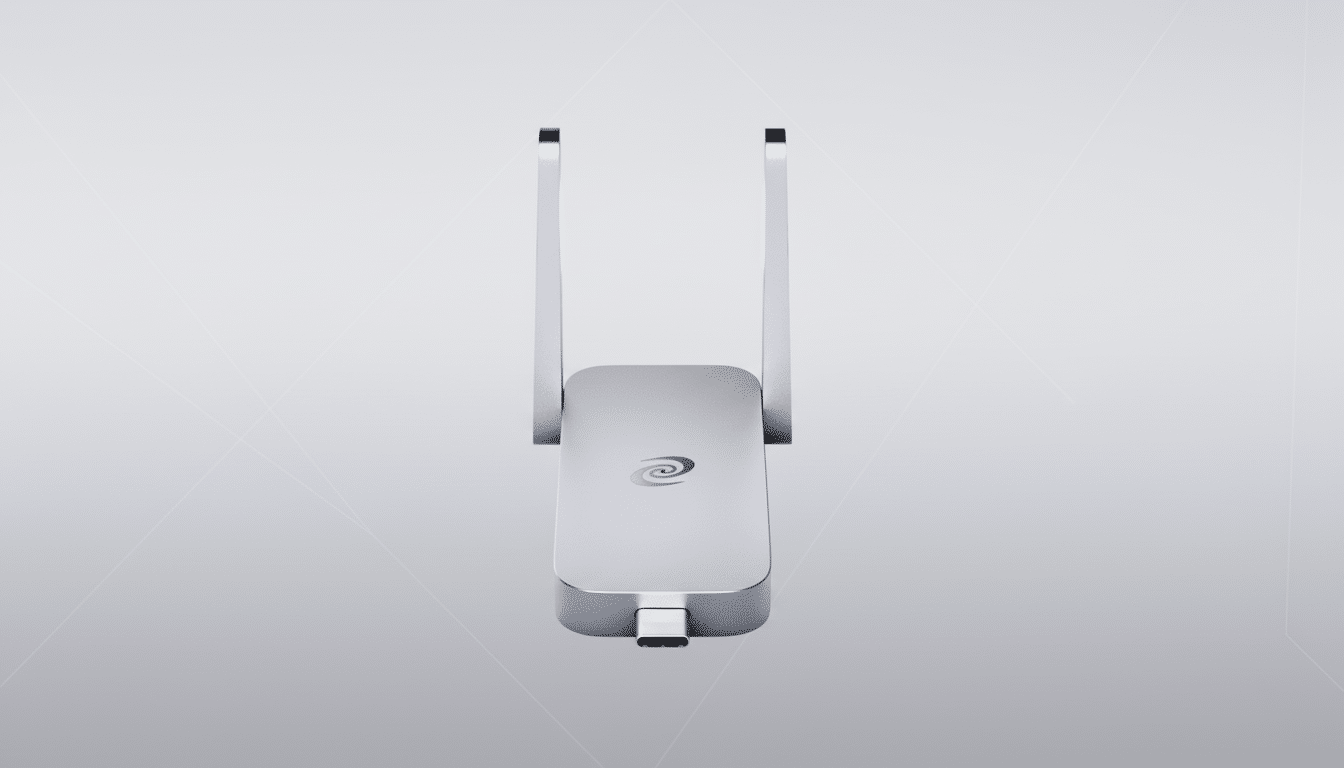
The no-subscription thing isn’t just marketing. There are many premium VPNs out there; market surveys from independent testing groups reveal that the average cost is $60–$100 per year, with multiyear plans discounted but paid upfront. It could take a couple of travel seasons for the lack of recurring fees to pay back that hardware cost — particularly for families or teams that would otherwise have paid for multiple licenses.
Who should consider this portable privacy travel router
For remote workers who rely on airport Wi‑Fi and tethered hotspots, it provides a single security layer that can be reused for video meetings and file transfers. For frequent travelers, high-quality multi-region nodes keep news and bank account access, as well as streaming services, at your service around the world. Parents enjoy single-click ad blocking and instantaneous content filtering on kids’ devices across the board without setting filters for each screen.
An example in practice: you plug the router into power in a hotel room, connect your laptop (or whatever) and streaming stick to its secure Wi‑Fi, and minutes later you’ve conjured a private network with consistency — no fiddling around with different VPN apps or credentials.
What to know before you go: limits and caveats
Your mileage will obviously vary depending on your local network, the node path chosen, or congestion during heavy usage times or in a region with few nearby nodes. Some video streaming services vigorously oppose location shifting, and access can vary. Ad and tracker blocking will sometimes make site layouts go wonky until you whitelist them.
NOTE: Keep in mind that any tool used to reroute traffic overseas could be at odds with the terms of use for some services. And a privacy gateway is also not a replacement for general device hygiene — keep up with OS updates, enable multifactor authentication, and use a good password manager. Organizations like the FTC and nonprofit advocates like the EFF regularly encourage a layered approach: network encryption, good credentials, and software working together.
Bottom line: is this portable VPN router worth buying?
If you’ve been looking to add a wallet-size privacy hub to your travel kit, a $59 discount on the Deeper Connect Air would be timely indeed. It’s small, subscription-free, and designed to protect multiple devices on risky networks — all good reasons to hurry before the promotion ends.