


Qualcomm has unveiled its jaw-droppingly thin, fanless desktop reference designs powered by its new Snapdragon X2 chips, showing how Arm-based PCs could shrink and quiet the home and office desk without giving up capability in the process.
The highlight of the show was a tiny, disc-shaped mini desktop not much thicker than a hardcover book jacket and its modular all-in-one sibling, whose brain slid into the base of its monitor — both kept cool by way of Frore Systems’ solid-state AirJet modules.
Radical Desktop Designs in Two Small Packages
The star was a saucer-size box that looks more like a wireless charger than a PC. Though it was less than half an inch thick, it drove a full-size display over USB-C with DisplayPort Alt Mode. The 3.5mm headphone jack at one end, and a handful of USB-C ports (including one for charging) around the other. A circular vent ring on the bottom nods to compact desktops like the Mac mini, but the shape is thinner and cleaner than any small form factor box we’ve seen.
Qualcomm also demonstrated an all-in-one concept that fits the PC into the base of the monitor, a slide-in design about as large around as a CD jewel case. It attaches parallel to the desk surface for fast upgrades without replacing the panel, a svelte variant on the longtime concept of mounting a mini PC behind a display. This could make deployment and lifecycle management easier for smaller offices or classrooms with limited space.
Silent cooling with AirJet solid-state modules
Neither desktop has a fan. Instead, both use AirJet, Frore Systems’ solid-state active cooling. Instead of spinning blades, AirJet modules use ultra-thin piezoelectric elements to generate rapid air pulses between a heat sink, efficiently and quietly moving heat away. Like BCM’s compact-overall-profile approach, it eliminates bearings and motors to minimize moving-part failures and permits chassis profiles that typical fans can’t accommodate.
AirJet has been slowly but surely trickling into specialty hardware — Frore collaborated with Qualcomm on an AT&T first-responder hotspot, for instance — and its implementation here speaks to the tech’s continued maturation.
Though specific setups weren’t shared, AirJet modules can be stacked to accommodate higher sustained power requirements, and volume levels seem to be substantially lower than those emitted by small radial fans. For small (assembled) desktops that are able to fit inside low double-digit watt envelopes, it’s a potent thermal recipe.
What Snapdragon X2 Brings to the Desktop Table
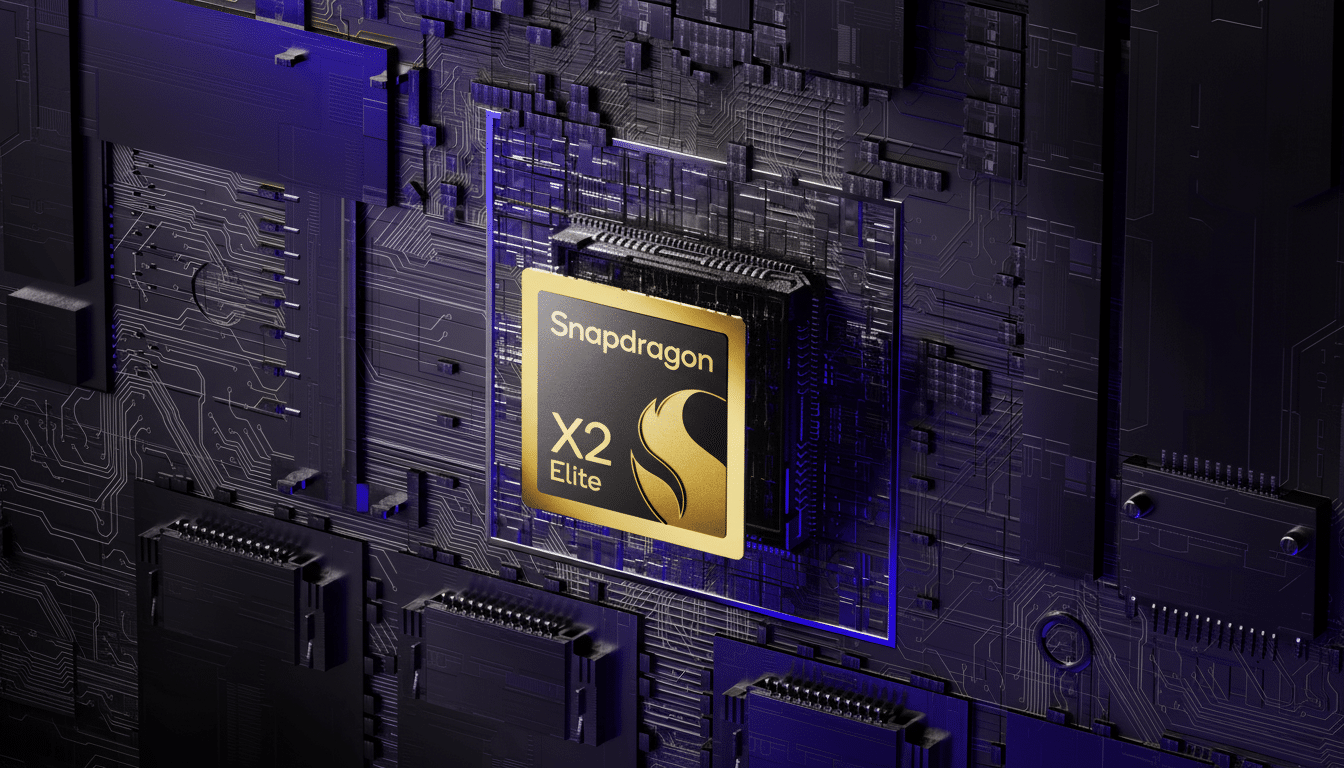
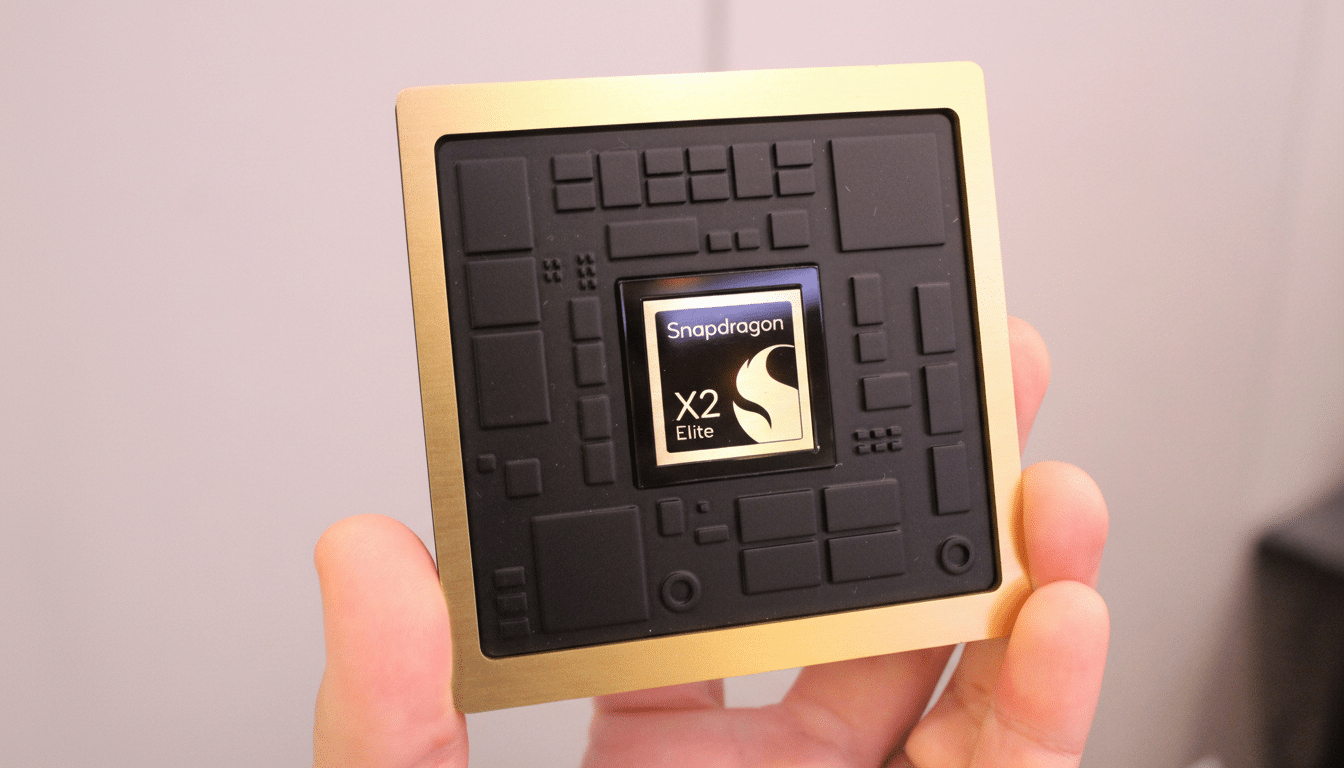
These designs use Snapdragon X2 Elite-class silicon, the second-gen PC platform from Qualcomm that advances it beyond its first-generation Snapdragon X wave. The company is highlighting increased CPU throughput as well as more robust GPU support for multiple 4K displays, and a much faster NPU intended for on-device AI. Microsoft’s Copilot+ PC bar requires a minimum of 40 trillion operations per second on the NPUs; X2 is safely above that to keep generative and vision workloads well local and live.
Connectivity and I/O match modern desk reality: USB-C for power and display, with OEMs expected to support USB4 for high-speed peripherals and external GPUs as applicable. A cool, efficient operating Arm-first design under sustained loads that throttle fan-cooled x86 minis of the same size. And combined with Windows on Arm’s increasingly robust selection of native apps and app translation improvements, the X2 push is less about compromise and more about redefining what a “desktop” even means.
Why thin, fanless desktops matter for offices now
Minimalist hardware is also more than a design flex. Quiet, low-heat desktops improve office acoustics, consume less dust and require maintenance. Less working parts and smaller footprint all translate to lower downtime, easier deployment for media teams, healthcare stations, front-of-house kiosks or call centers. The industry watchers such as Canalys and IDC project fast increase in the shipment of AI PCs, and Arm-based systems are anticipated to capture an increasing portion as performance and app support come closer.
There’s precedent, too. Lenovo already offers ThinkCentre and IdeaCentre desktop PCs based on Snapdragon from the original platform. For its part, Qualcomm notes that it is working with multiple Taiwan OEMs for the current round, meaning more polished versions of the disc desktop and modular AIO could eventually surface as retail or commercial products. The AIO module’s slide-and-swap idea in particular solves a long-standing problem by taking the pricey panel out of the PC’s upgrade cycle.
What to watch next for ultra-thin Arm desktops
Of course, the big questions are timeline, pricing and how aggressively OEMs gravitate toward ultra-thin enclosures en masse.
If these reference designs ship anywhere near their current size, they’ll push competitors to reconsider what cooling and modularity should look like in compact desktops. So, in the delightful way tech timelines can be perfectly askew, while AirJet is simply fanless and Snapdragon X2 AI-forward performance, the desk is getting less noisy, cooler and a whole lot more like science fiction.