


Qi2 is the largest leap to mainstream wireless charging in 10 years. Developed by the Wireless Power Consortium with support from major phone makers, it combines the alignment magnets made famous by MagSafe with an open, universal standard. The result is supposed to offer improved efficiency, cooler batteries, and a snap-on accessory ecosystem that at last covers both iPhone and Android.
What is Qi2 and how is it small?
Qi2 is the second generation of the original Qi standard that most phones and accessories are based on. It proposes two primary profiles, namely the Magnetic Power Profile (MPP) and the Baseline Power Profile (BPP). MPP MPP adds magnets around the charging coil for perfect alignment, whereas BPP is the traditional, non-magnetic choice.
- What is Qi2 and how is it small?
- So why do magnets matter? Efficiency, heat, and battery health
- Speed today and what Qi2. 2 unlocks
- Device compatibility: who actually supports Qi2?
- Can I use Qi2 with my MagSafe accessories?
- Security, safety, and certification
- Buying advice: what to look for in a Qi2 charger
- The bottom line
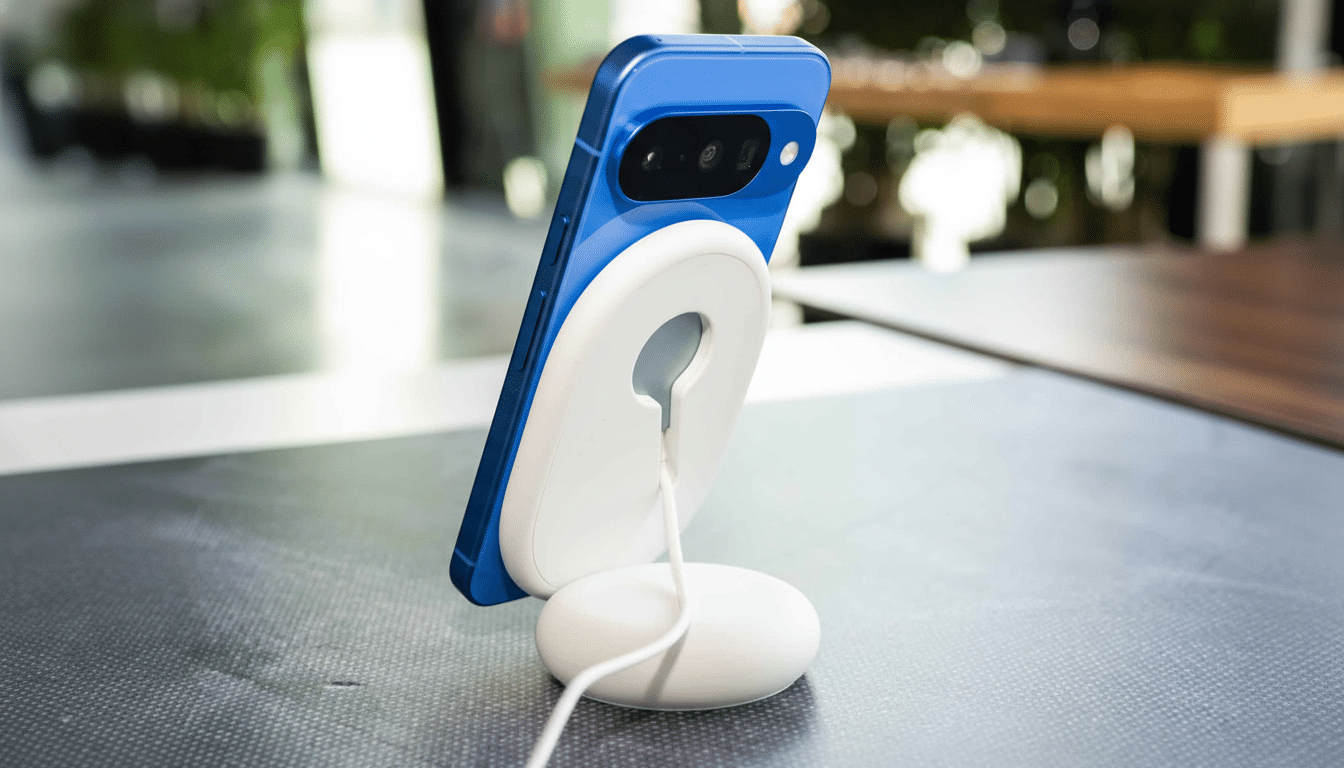
Caveat: devices can be Qi2-certified without magnets if supporting only BPP. You’ll still find a Qi badge, but you’ll miss out on the alignment benefits — or the cooler, more stable charge — that MPP provides.
So why do magnets matter? Efficiency, heat, and battery health
Wireless charging operates using electromagnetic induction: when an electric current runs through the copper coil of the charger, it creates a magnetic field, which in turn induces a current in a corresponding coil inside the phone. If those coils are misaligned even a little — just a few millimeters — efficiency plummets.
When MPP magnets click everything into position, energy passage is more assured. The phones waste less power as heat, so the phones stay cooler. That’s not comfort alone; heat represents one of the most potent threats to lithium ion. Independent teardowns and lab tests consistently indicate that maintaining charge temperatures at steady levels for Qi2 can lead to more optimal long-term battery health — and alignment, Qi2, is designed to help you do that.
Speed today and what Qi2. 2 unlocks
The initial Qi2 target is 15W—though all 15W Qi chargers you’ve been able to buy in recent years are the best of what’s actually fully Qi certified, none with the same stability in real-world use due to alignment.
The second-order derivative, called Qi2. 2 (from industry watchers and accessory makers, at least) pushes the ceiling further out. In fact, we’re already starting to see devices draw up to 25W from Qi2.Well, those days of other stations can deliver yours over a longer distance. 2 chargers, assuming phone and pad both support the newer profile.
Expect more headroom over time. “Validation of safety, thermal limits as well as interoperability testing all need to be checked for before we roll out higher-power modes [in WPC], as with the incremental implementation of wired USB-PD.
Device compatibility: who actually supports Qi2?
The first phones to support full Qi2 lightning were in the line-up of Apple’s iPhone 15, using the same magnetic geometry applied to MagSafe already. On the Android front, Google have adopted built-in magnets for the entire Pixel 10 family, and the Pixel 10 Pro XL can pull up to 25W from Qi2. 2-capable pads.
Not all “Qi2” products have magnets, however. For instance, Samsung’s Galaxy Ring advertises Qi2 compatibility, but employs just the Baseline Power Profile, thereby also presenting no alignment advantages. And now, for owners of the Galaxy S25, there’s a number of case makers that have released magnet-friendly cases that fit perfectly with chargers. That makes things a bit more convenient, but it doesn’t change the fact that you’re limited to a given maximum of watts — unless the phone you’re charging happens to support the faster Qi2 power mode.
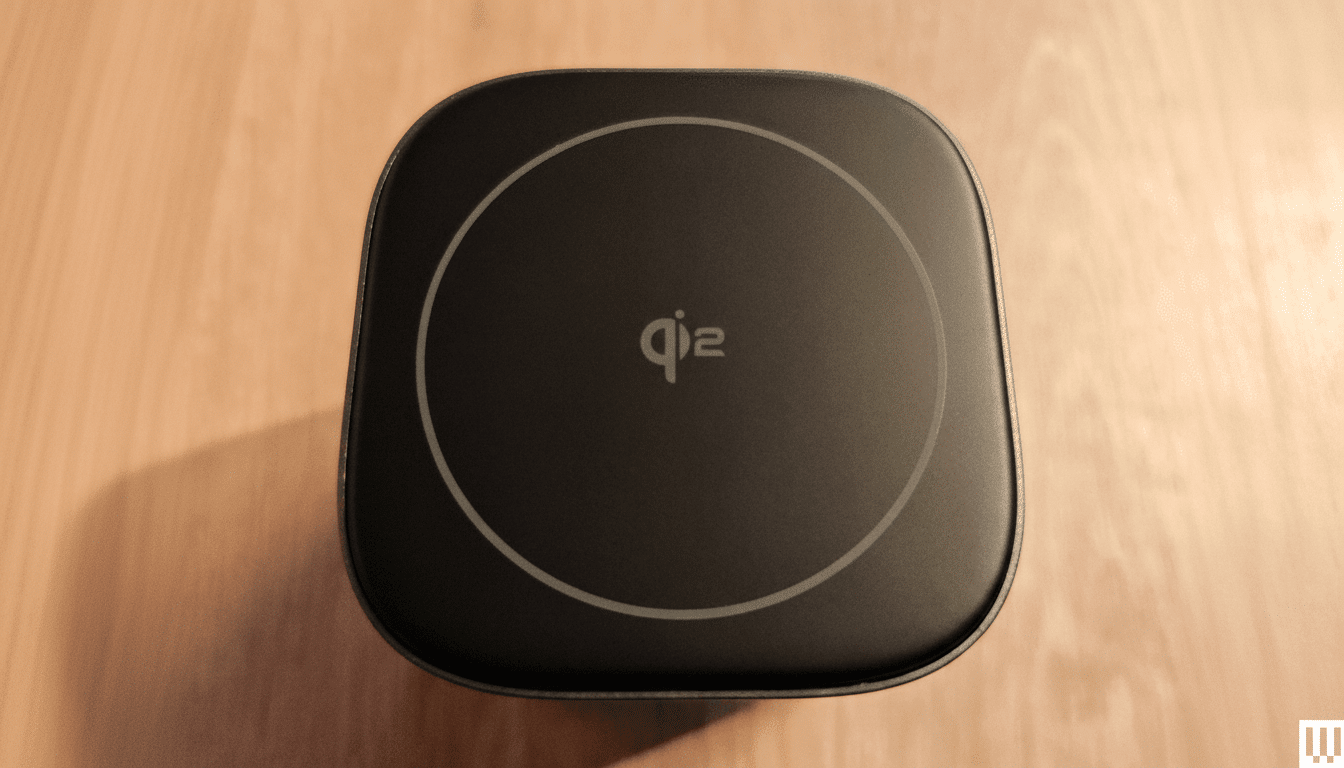
On the accessory front, the big names like Belkin and Anker and Mophie have introduced Qi2 chargers and docks. Widest support of all is likely to come when device roadmaps match the final spec; the WPC claims nearly 400 member companies.
Can I use Qi2 with my MagSafe accessories?
Qi2’s magnetic profile was co-designed, with input from Apple, and the standard is designed to be cross-compatible. In demos, the Qi2 hardware appeared to charge compatible existing MagSafe iPhones, and vice versa. It’s great news for the accessory market: stands, wallets, power banks, and car mounts designed for a standard ring of magnets will work across platforms, as long as both adhere to the spec.
Security, safety, and certification
Qi2 adopts mandatory authentication, a cryptographic handshake from charger to device. This aims to fight bad, non-compliant pads that have been trying to throw unsafe power levels, a side effect of bargain-bin wireless chargers hitting the mass market. Certification labs under the WPC check thermal performance, foreign object detection and interoperability before a product can wear the Qi2 logo.
For us consumers, That means fewer “it charges, but slows” headaches and a safer shield against overheating metal objects like keys or coins left near the pad.
Buying advice: what to look for in a Qi2 charger
Look for the Qi2 logo and explicit reference to the Magnetic Power Profile if you want magnetic alignment. If your phone is Qi2. 2 charging; just make sure the pad or stand does too — some early Qi2 products max out at 15W.)
Choose well-known brands that list specs and some sort of thermal protections, and use a good USB-C power adapter with your charger.
Four,Anker 30W brick for most single-device Qi2 stands; multi-dev docks will require more.
The bottom line
Qi2 is the wireless upgrade users will actually feel: easier alignment, slower temperatures, cooler battery, and an all-new magnet ecosystem that mysterious supports iPhone and Android. Although not every “Qi2” label promises magnets or increased wattage, the standard should pave the way for a more reliable, safer, and truly universal wireless charging experience.