


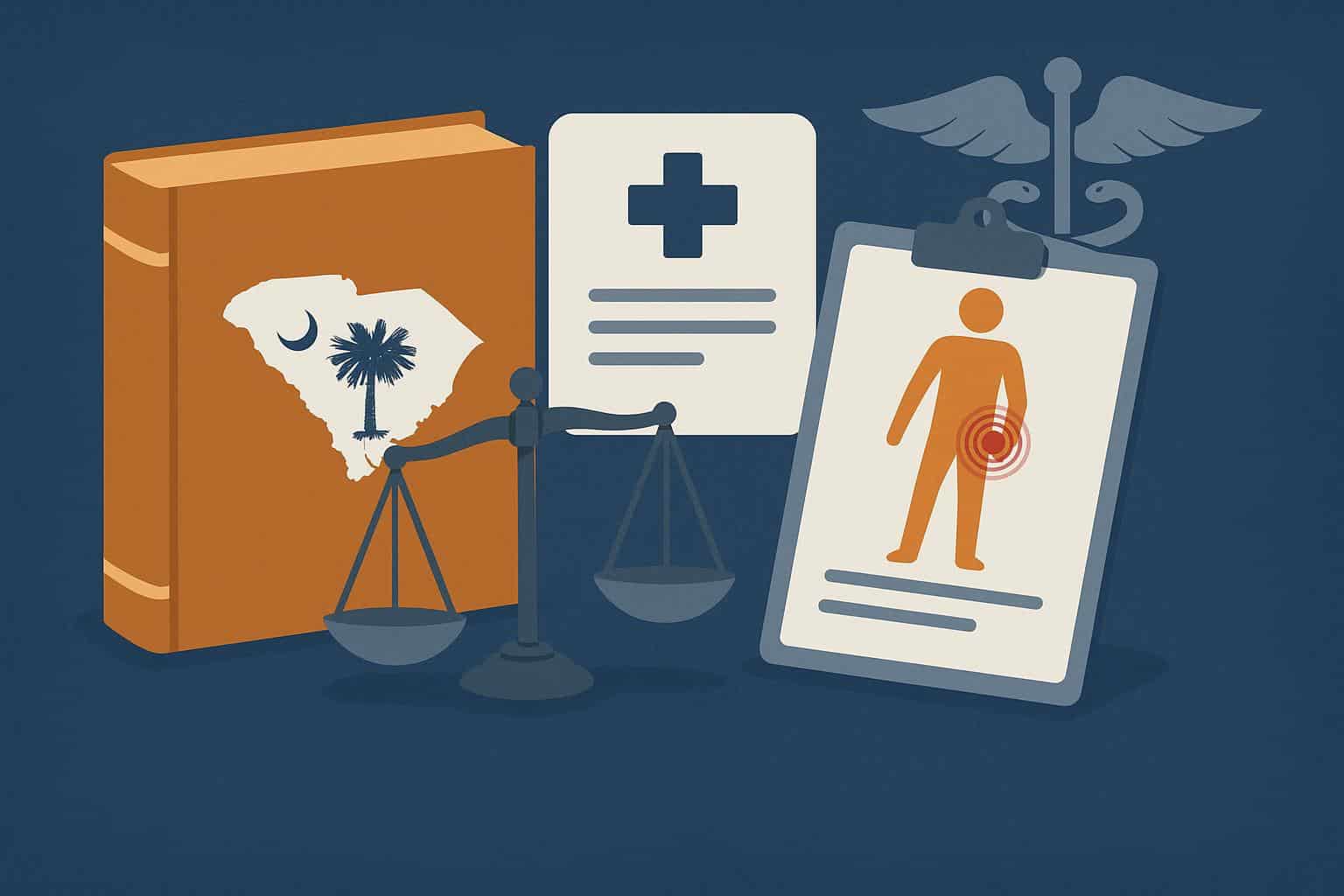
Pre-existing conditions regarding personal injury claims are health or medical issues one might have developed before filing a new claim. Just about any medical condition or illness can be a pre-existing condition, going as random as chronic back pain to bruises. It is up to the lawyer or insurance officials to determine which was present before the accident and which was present afterward.
South Carolina personal injury lawyers try to find out which condition was present before and after the accident to strengthen their case and ensure their client gets their compensation. This shows how important it is, as it could be the difference between a client getting overcompensated and getting zilch.
This is also one reason why you should hire personal injury lawyers, as they usually have the experience to find out the truth in these cases. They are professionals for situations like these, as they can review the case at a glance and give you useful advice, depending on how complicated your case is.
Can I Receive Compensation for a Pre-Existing Health Condition in South Carolina?
While the answer to this question is a clear yes, there are some conditions to take note of. Known as the “eggshell plaintiff” doctrine, this is an official rule used by lawyers to take the accident victim as they are at the moment of filing. This means the filing will contain all conditions: pre-existing and accident-induced.
After all, it is not impossible for a new injury to cause more damage to an old injury, thereby worsening the old injury and causing the client to fall into a relapse. For some people and injuries, it can be very difficult and almost impossible to separate past and present symptoms and injuries. However, you, as the client, have to prove without any doubt that the accident worsened the conditions. When new injuries cause old injuries, it is called aggravation, and you can collect compensation for all injuries, old and new.
Does a Pre-Existing Condition Affect the Amount of Compensation, and How?
Yes, your pre-existing condition can affect the amount of compensation you receive in your personal injury case. The amount of compensation you will get can be directly determined by the amount of damage the new injury caused. While a new injury making an old one worse will get you more compensation, it could also reduce the compensation if the other party can prove otherwise—that the new injury had little to no impact on your old injuries.
In these cases the insurance company in charge of dispensing the compensation may argue that the new injury did not significantly worsen the pre-existing condition. They can even go as far as contacting your doctor to get information.
How Can I Prove That the New Injury Worsened my Old Injury?
All you need to prove that the new injury is aggravating the old injury is to get medical data from both times and compare. Medical data or evidence in this case are medical bills, medical expert testimony, and other related medical records. This way, you will be able to show how your medical records have worsened since the new injury.
Conclusion
“Pre-existing conditions can be any medical issue that has caused you some pain in the past, and it is important that you get compensation if an accident by a third party causes an aggravation of it,” says personal injury attorney Charles W. Whetstone, Jr. of Whetstone Perkins & Fulda. A South Carolina personal injury lawyer can be a good choice in cases like this, and you will receive your compensation as soon as possible.