


Motorola’s software strategy is under fire after new reader surveys showed broad dissatisfaction with the brand’s fragmented Android update policies. The reaction was sparked by the budget Moto G17 launching with zero promised Android version upgrades and only a two-year security pledge, even as the company touts seven years of updates for an upcoming flagship. The mixed messaging isn’t landing well with enthusiasts or value hunters.
Polls Signal a Customer Backlash over Update Policies
In one widely circulated poll, 64% of respondents said the G17 decision lost them as Motorola customers. Another 13% disliked the move but planned to keep buying Moto phones, while 16% were willing to tolerate it if the zero-update stance proved a one-off. Only 7% said they were indifferent or had a different view. That’s a decisive swing toward frustration, and it reflects how closely Android buyers link long-term software support with brand trust.
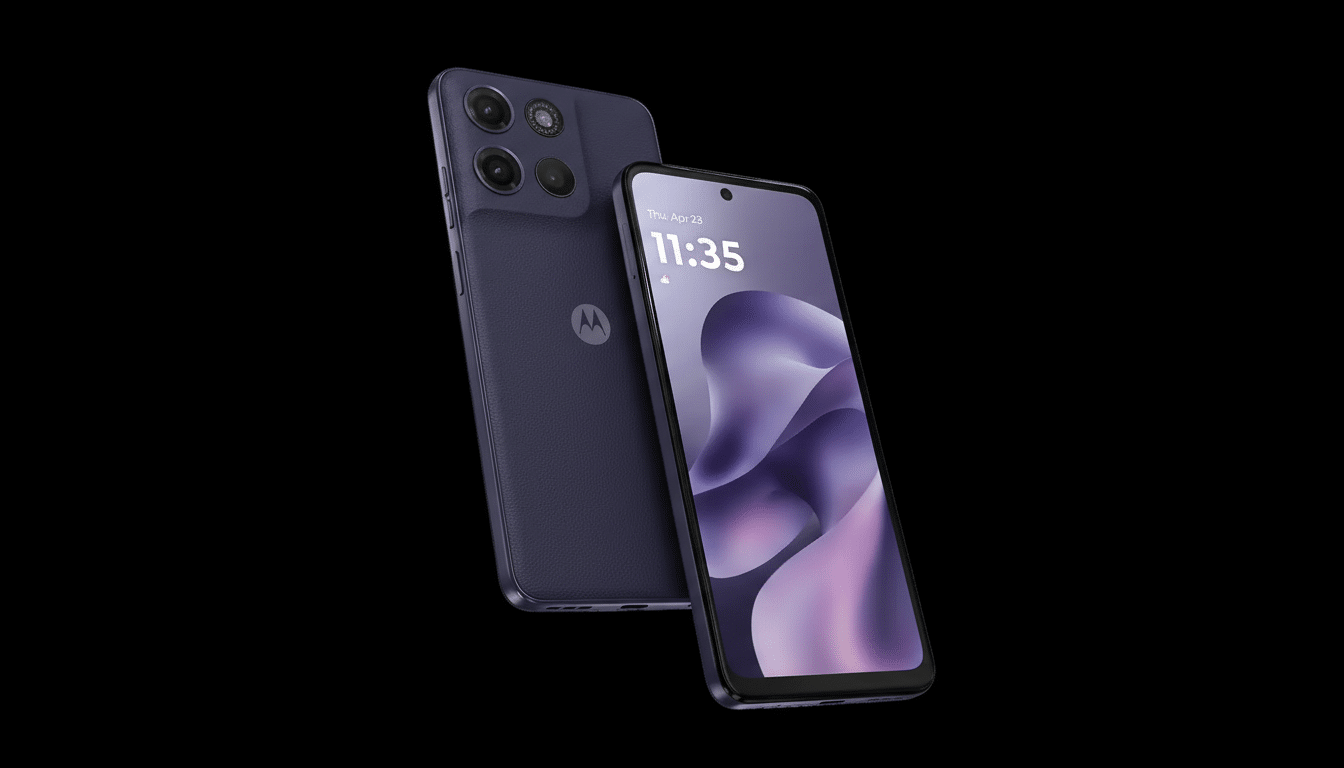
A second survey tested the opposite scenario: an unreleased Motorola flagship promising seven years of Android updates. Here, 29% said they loved the pledge, and a larger 57% called it a good start that only matters if it expands across more models. Together, the polls paint a clear picture—fans want consistency, not a premium-only promise paired with rock-bottom support for budget devices.
A Tale of Two Strategies: Budget Versus Flagship
The whiplash is stark. On one end, the Moto G17 ships without even a single Android version upgrade in the pipeline, undermining confidence on day one. On the other, Motorola’s next flagship touts a support window meant to rival category leaders. This split approach risks alienating the very audience that has historically sustained Motorola’s volumes—cost-conscious buyers who still expect responsible lifecycle support.
To be fair, budget margins are thin, and maintaining OS version updates carries real engineering and certification costs—especially for carrier-sold devices. But the industry baseline is moving up. Google and Samsung now promise seven years of OS and security updates on their latest flagships. OnePlus has pushed to four Android versions and five years of security on recent high-end phones. Even mid-range devices from several brands routinely hit two to three Android upgrades. Against that backdrop, a zero-update policy sticks out.
Why Update Policies Matter to Android Phone Buyers
Surveys consistently show that software longevity influences upgrade cycles and resale value. OS updates bring major platform changes, but security patches are the day-to-day safety net. Many commenters emphasized they would accept fewer version upgrades if security support stretched longer—five years is a number that came up repeatedly. With the G17 offering just two years of security fixes, Motorola risks signaling that long-term device safety isn’t a priority for its budget customers.
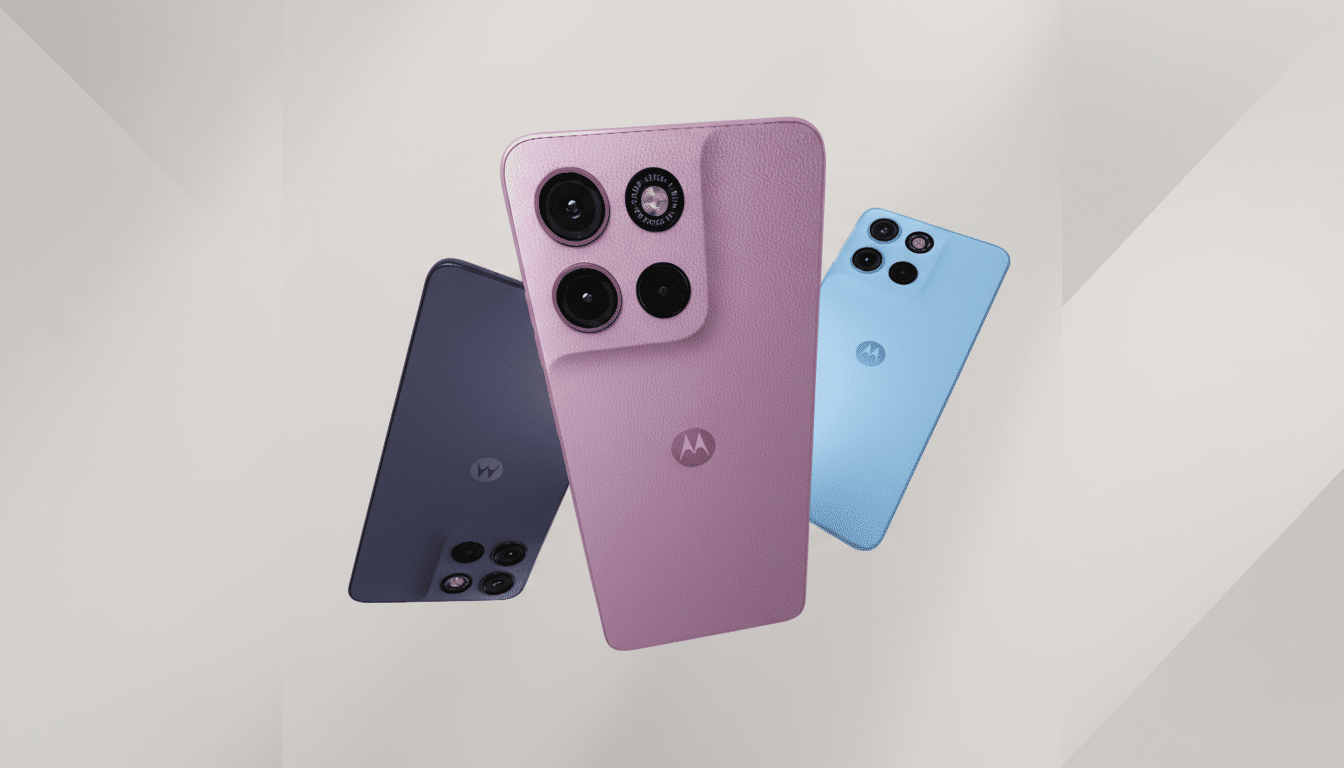
There’s also a policy momentum factor. Regulators are nudging manufacturers toward clearer disclosures of minimum support periods, as seen in the UK’s product security rules. Enterprises and schools likewise favor predictable update roadmaps for fleet deployments. Even if most consumers never read a changelog, they notice when a phone remains stable and secure years after purchase.
The Trust Gap and the Competitive Context for Motorola
Motorola’s brand strength in affordable tiers—especially in prepaid and unlocked channels—has been a key pillar of its presence in the US and Latin America, according to analysts at Counterpoint Research and IDC. But loyalty at the low end is fickle. When rivals market multi-year support and deliver timely patches, the bar for “good enough” shifts. Google’s Pixel A-series and Samsung’s Galaxy A-line now court the same shoppers Motorola depends on, using update guarantees as headline features.
It’s not as though Motorola lacks the capability. Recent Razr and higher-end Edge models have offered multi-year support, and the seven-year flagship pledge shows the company can compete at the top. The stumbling block is policy coherence. Fans don’t expect identical promises across a $1,000 flagship and a sub-$300 phone, but they do expect a floor that respects basic longevity—typically at least two Android versions and three to four years of security.
What Would Calm the Storm for Motorola Customers
Three moves could quickly rebuild goodwill.
- Set a minimum standard for all new Motorola phones—two Android upgrades and four years of security would align with buyer expectations and peers in the mid-range.
- Publish a transparent, model-by-model update roadmap so customers know what’s coming and when.
- Prioritize patch cadence; regular monthly or quarterly updates do more to build trust than splashy version bumps that arrive late.
Price pressures are real, but the surveys suggest users would rather pay a little more for credible support than gamble on a dead-end device. Right now, the story reads as two Motorolas—a premium one chasing industry leaders and a budget one cutting corners. Unifying those narratives, even modestly, could turn the current backlash into a credibility win.