


A new reader poll suggests Spotify’s push into audiobooks isn’t landing with most users. Despite prominent placement in the app and a growing catalog, only a small slice of respondents say they’re pressing play on books inside Spotify. The finding highlights a stubborn behavior gap between music-first habits and the slower, chapter-by-chapter world of long-form listening.
A Snapshot Of How People Actually Use Spotify
Nearly 4,000 readers weighed in on their Spotify habits. About 68% said they use the service solely for music. Another 23% reported using it for podcasts. Just 3% said they listen to audiobooks but not podcasts, while 5% said they use Spotify for both podcasts and audiobooks. Add it up and roughly 8% of respondents use Spotify for audiobooks at all—a modest foothold for an area Spotify has aggressively marketed.
It’s one poll and not a population-wide measure, but the sample size is substantial, and the audience skews tech-savvy. That matters: if early adopters aren’t embracing Spotify for books, broader conversion may be even tougher.
Audiobooks Lag Despite Big Product Moves
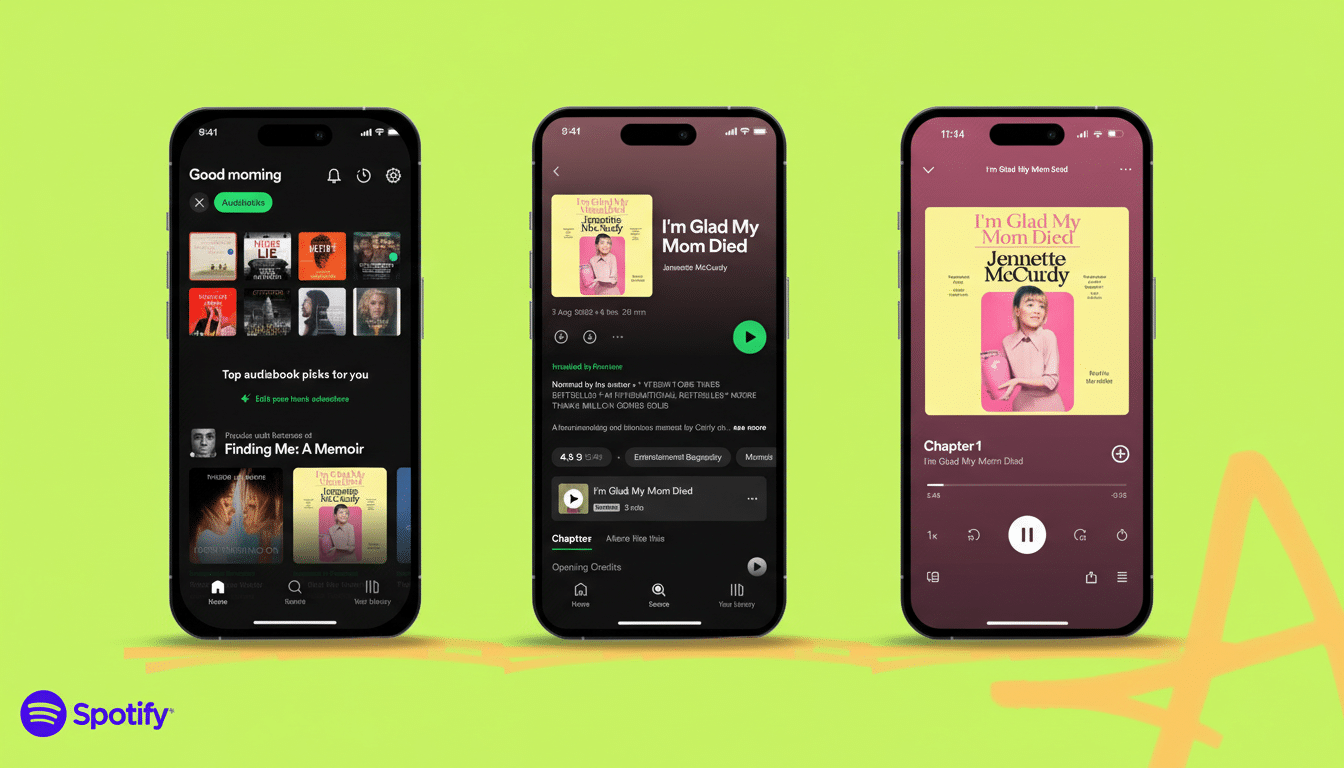
Spotify has poured resources into audiobooks over the past year, bundling a monthly listening allotment into Premium plans, expanding its catalog, and rolling out discovery tools. The company introduced features like Page Match, designed to help listeners jump into relevant titles, and announced a partnership with Bookshop.org to connect digital listening with support for independent bookstores.
Even so, the behavior shift hasn’t snapped into place. That’s striking given that the audiobook market itself is booming. The Audio Publishers Association has reported double-digit revenue gains in recent years, while Edison Research’s Share of Ear studies show steady growth in spoken word audio consumption. The demand is real—just not necessarily inside Spotify.
Why Audiobooks On Spotify Aren’t Sticking
Friction is the obvious culprit. Spotify’s audiobook bundle typically comes with a monthly hours cap, which is easy to burn through on a single epic title. That cap introduces anxiety—will I run out mid-chapter?—that doesn’t exist on services built for unlimited listening or à la carte purchases. Power listeners, who often binge books, are especially sensitive to that limit.
Discovery is another pain point. Spotify’s recommendation engine is superb for music and has matured for podcasts, but book discovery thrives on different signals—narrator loyalty, series progression, and niche genres. Competing platforms like Audible, Apple Books, Google Play Books, and library apps such as Libby have years of tuned metadata, series funnels, and editorial curation designed for readers who listen.
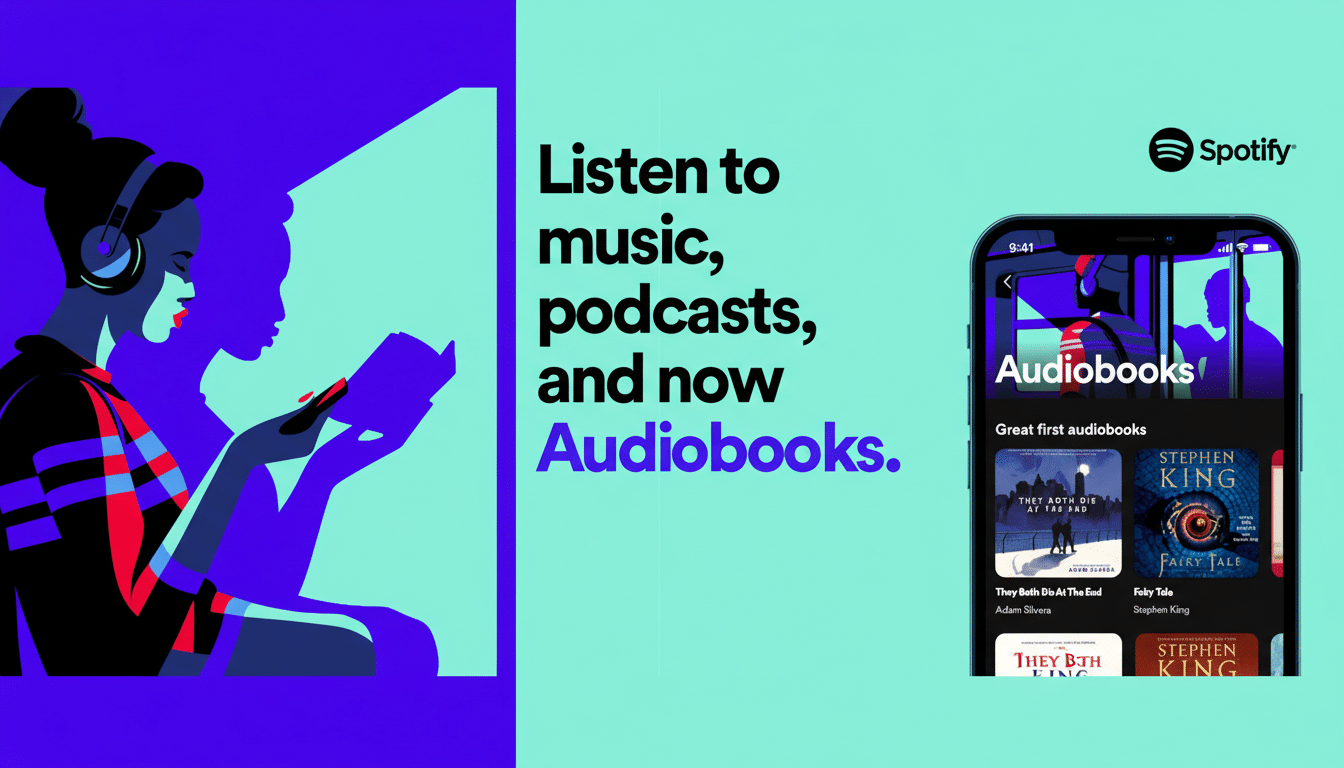
There’s also the mental model problem. For many users, Spotify equals music. Shifting that identity takes time and clear value. With recent subscription price hikes top of mind, a majority that uses Spotify only for music may feel they’re subsidizing features they don’t want, which can breed resistance rather than experimentation.
What Could Move the Needle for Audiobooks on Spotify
Three levers stand out. First, pricing clarity: an optional audiobook add-on tier with either unlimited listening or a transparent credit system could reduce uncertainty. Second, discovery upgrades: richer series tracking, narrator follow buttons, and bookstore-style editorial shelves would better reflect how audiobook fans choose their next title. Third, ecosystem bridges: deeper integration with public library lending or bookstore partnerships could funnel habitual readers into Spotify without forcing them to rebuild collections from scratch.
On the product side, reliability matters as much as catalog size. Fast resume across devices, robust chapter navigation, solid offline behavior, smart sleep timers, and effortless syncing are table stakes for heavy audiobook listeners. Matching the polish of dedicated services is essential before habits change.
The Bigger Audiobook Picture for Spotify Users
None of this means Spotify’s audiobook bet is a bust. If anything, the market’s growth suggests there is room for multiple winners. But this poll is a timely reality check: adding audiobooks to a music app doesn’t automatically create audiobook listeners. The platform needs to meet readers where they already are—with pricing that feels fair, recommendations that feel personal, and a playback experience that feels purpose-built.
For now, most users remain anchored to music, podcasts are the runner-up, and audiobooks trail far behind. If Spotify wants that 8% sliver to grow, it will have to convert curiosity into habit—and that requires a lot more than a new tab on the home screen.