


A new reader poll has delivered a decisive verdict on the best Android keyboard, with Google’s Gboard taking the top spot. The survey attracted just under 2,000 votes and produced a clear first-place finisher, even as spirited comments underscored how personal typing preferences can be.
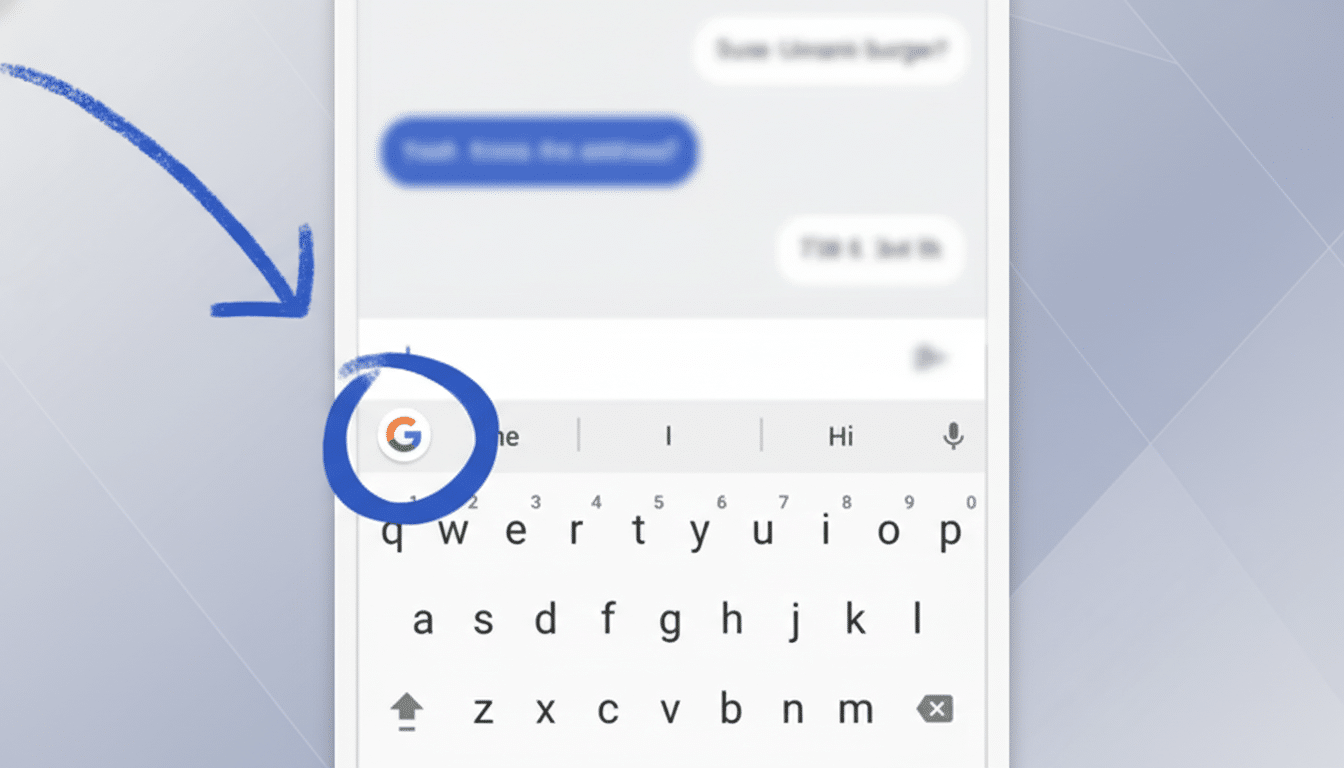
Gboard captured 54% of the vote, Microsoft’s SwiftKey followed closely at 39%, and 7% of respondents opted for other keyboards. The top line is simple: a comfortable majority favors Gboard, but the runner-up’s loyal base makes this a two-horse race.
How the Poll Broke Down: Votes, Favorites, and Trends
The numbers signal a lead that’s hard to ignore, yet the conversation around the results hints at a more nuanced reality. While Gboard won on aggregate, many users praised SwiftKey’s predictive smarts, customization, and handy navigation keys. Others argued that Gboard’s swipe accuracy, robust voice dictation, and playful Emoji Kitchen gave it the everyday edge.
It’s worth noting that distribution and defaults play a role. Gboard ships on many Android phones, and familiarity often influences long-term choice. Still, a 39% share for SwiftKey within a knowledgeable audience suggests Microsoft’s keyboard competes on merit, not just momentum.
Why Gboard Leads: Speed, Smarts, and Integration
Gboard’s case rests on three pillars: speed, smarts, and integration. Its glide typing remains among the most accurate, reducing correction time and boosting flow. Google’s on-device speech recognition delivers fast, reliable dictation that many users describe as close to “magical,” especially in noisy environments or on older hardware.
Features like Emoji Kitchen add personality, while tight integration with Google services streamlines search, translation, and multi-language typing. According to its Play Store listing, Gboard’s install base stretches into the billions, reinforcing both its ubiquity and the trust it has built over years of updates.
SwiftKey’s Strong Showing and Loyal Power Users
SwiftKey’s following is equally vocal for good reasons. Its prediction engine learns aggressively from user behavior, often surfacing the next word with uncanny accuracy. Power typists value built-in arrow keys, a flexible clipboard, cloud sync, and deep theme customization that can make the keyboard feel tailor-made.
Microsoft’s ongoing work on AI-assisted typing and integrations, including translation and optional cloud-backed personalization, keeps SwiftKey competitive. Its Play Store footprint in the hundreds of millions underscores significant reach for a non-default option.
The Rest of the Field: Niche and Open-Source Options
While 7% chose alternatives, that small slice is diverse. Open-source options like AnySoftKeyboard and FlorisBoard appeal to privacy-minded users and tinkerers. Niche keyboards focus on specialized layouts, one-handed typing, or unique languages. And nostalgia remains strong for Swype, the pioneering gesture keyboard that set the template many still admire.
This long tail matters: keyboards are among the most personal apps on a phone. Minor differences in autocorrect behavior, key spacing, or gesture recognition can make or break the experience for any given user.
How to Choose the Right Keyboard for Your Android
Start with accuracy and latency—if a keyboard constantly second-guesses you or lags, no feature can compensate. Evaluate voice dictation quality, especially if you switch between text and speech often. If you type in multiple languages, look for seamless language switching without manual toggles.
Privacy is critical. Review what data is collected and whether learning happens on-device or in the cloud. Both Google and Microsoft publish disclosures on data handling, and several third-party keyboards offer offline modes or open-source transparency for added peace of mind.
Finally, test ergonomics: arrow keys, number rows, and layout tweaks can dramatically reduce errors over time. Small interface details—like cursor control via spacebar, gesture deletion, and clipboard management—often turn a good keyboard into a great one.
The Takeaway: A Clear Winner and a Real Rivalry
The poll result is clear: Gboard currently holds the crown, winning 54% of nearly 2,000 votes, with SwiftKey a strong second at 39%. Yet the close commentary suggests a genuine rivalry shaped by features that matter differently to different users.
If you’re happy with Gboard, the data backs you. If you’re curious about SwiftKey, there are substantive reasons enthusiasts swear by it. In the end, the best Android keyboard is the one that makes you faster, more accurate, and more comfortable—whichever logo sits on the spacebar.