


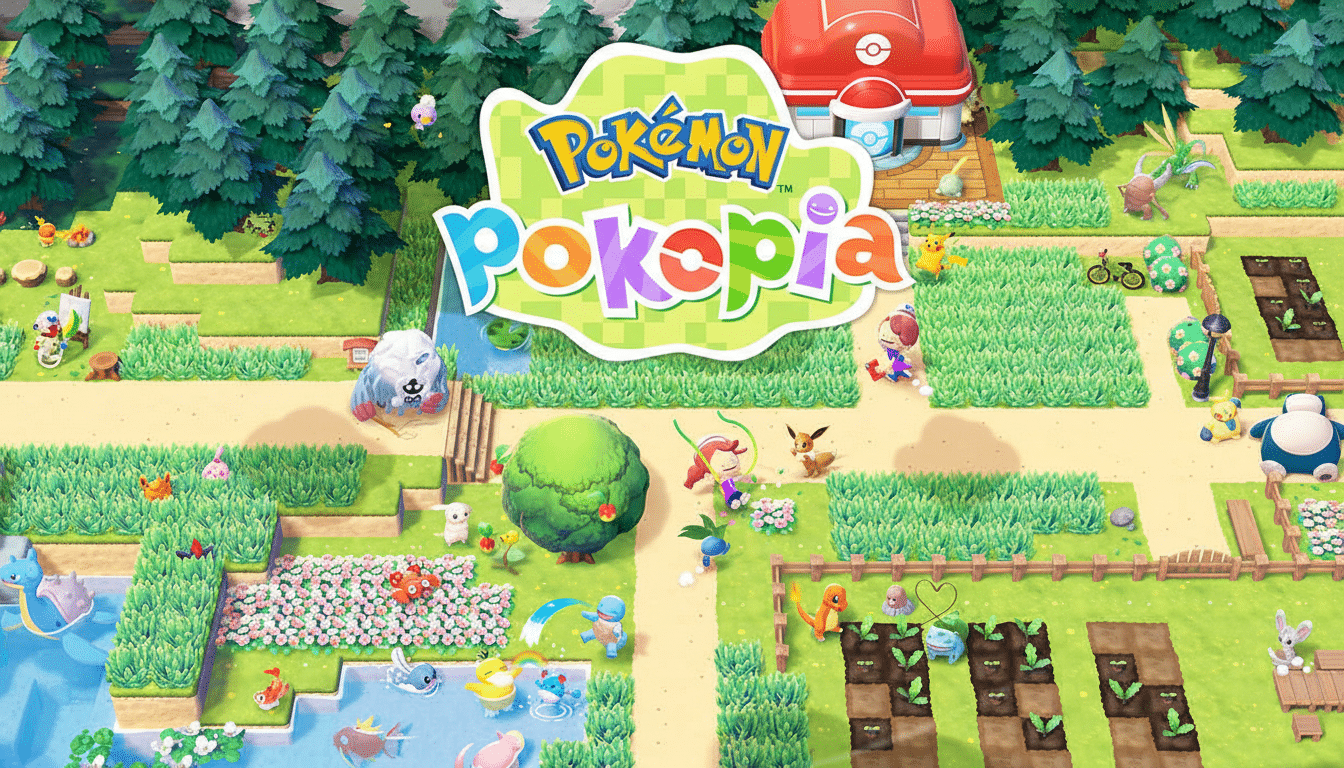
Pokémon Pokopia is the Pokémon franchise’s most obvious idea finally made real: a blocky, creative sandbox where you build a living region and befriend its inhabitants. Developed by Game Freak with Koei Tecmo and published by The Pokémon Company for Nintendo Switch 2, it looks—by design—like Minecraft for Pokémon, and early hands-on impressions suggest it could be a colossal time sink for fans.
What Pokopia Is and Why Its Sandbox Concept Works
At its core, Pokopia is a terraforming and town-building game set on an abandoned archipelago. The world is composed of manipulable blocks, inviting players to gather resources, reshape landscapes, and place structures to attract specific Pokémon. It’s a familiar loop with a distinctly Pokémon payoff: habitat design isn’t just cosmetic—it determines who shows up and what you can do next.
The concept taps directly into two unstoppable forces. First, the sandbox phenomenon—Minecraft has sold more than 300 million copies, according to Microsoft. Second, the cozy-life surge—Stardew Valley has surpassed 30 million sales, per its creator. Pokémon sits at the intersection: it’s a brand built on collecting and caring, and recent Nintendo financials show life-sim juggernauts like Animal Crossing: New Horizons topping 40 million units. Blend those tastes, add Pokémon charm, and you understand the bet behind Pokopia.
A Ditto-Led Premise With Talking Pokémon
Pokopia’s protagonist is a Ditto cosplaying as a human—an inspired pick for a game about becoming what your world needs. On islands where humans have long vanished, Pokémon can talk, share preferences, and ask for help. Your Ditto’s job is to rebuild inviting biomes and amenities, then nurture relationships through gifts and daily interactions. It’s less about mastery over Pokémon and more about stewardship with them.
The tone is disarmingly silly. Even when Ditto copies a Dragonite to soar between districts or a Lapras to cross bays, that unmistakable Ditto face remains. It’s a strong identity play: approachable for families, meme-ready for social feed virality, and different enough from mainline RPGs to stand apart.
Build, Collect, Transform: Understanding the Core Loop
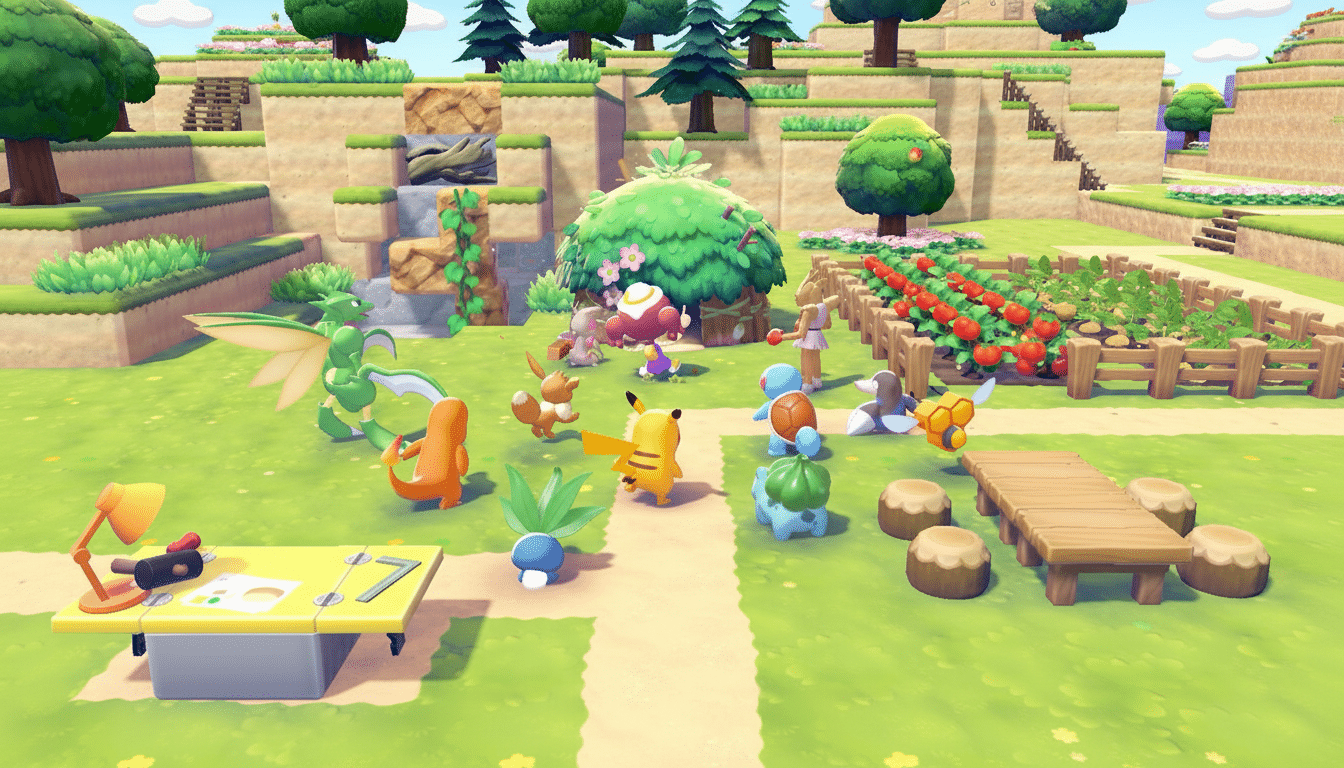
Every new visitor brings utility. Attracting a Bulbasaur unlocks rapid grass planting. Befriending a Squirtle enables watering systems that bring habitats to life. Learn a Rock Smash-style move and previously impassable rubble becomes a resource. You’re not just decorating; you’re upward spiraling—building to invite, inviting to learn, and learning to build faster and smarter.
Crucially, Pokémon have likes and dislikes that shape progression. A Hitmonchan might require a training corner—say, a punching bag by a bench—while grass starters prefer lush clearings. Habitat blueprints become a puzzle box of ecology and design, channeling the same “meta” energy that keeps sandbox players experimenting for hundreds of hours.
Early preview sessions hosted by Nintendo highlighted brisk onboarding with meaningful early quests that reward practical tools rather than filler trinkets. After the tutorial moment, guidance recedes and player agency opens up quickly—vital for a builder that thrives on self-driven goals.
Co-Op Creativity Could Be the Real Hook
Pokopia supports online play where several players co-develop a shared island. It feels like the natural endgame for a Pokémon sandbox: pooling labor, trading ideas, and shipping communal projects at scale. In demos, collaborative towns featured thematic districts—residential nooks for different species, boardwalk hangouts, and playful landmarks that telegraph community identity.
For builders, the question is always expression: how much can I bend the system to my aesthetic? Early footage and impressions suggest a healthy toolkit for landscaping, pathing, and furnishing, with utility blocks and Pokémon skills that reduce grind over time. If Game Freak and Koei Tecmo keep adding recipes, biomes, and seasonal events, this could evolve into a platform rather than a one-and-done release.
Why This Could Be Massive for the Nintendo Switch 2
Pokémon thrives when it taps play patterns fans already love. Pokémon Go rode real-world collecting; Let’s Go simplified catching for families; Scarlet and Violet pushed open-world exploration past 20 million units, per Nintendo. Pokopia aims at the builder loop that defines a generation of sandbox players, with a license built for cuddly cohabitation rather than combat.
If it sticks the landing on three fronts—steady progression without grind walls, robust co-op stability, and a cadence of content that refreshes habitats—Pokopia could dominate the “second-screen” game time that Minecraft and life sims traditionally command. With The Pokémon Company’s cross-media muscle and Game Freak’s creature design pedigree, the runway is long.
Pokopia isn’t trying to replace mainline battles; it’s betting that players want to build a world Pokémon choose to live in. In a medium where the best systems turn chores into rituals, this looks primed to become a nightly ritual for millions.