


A compact 4G Android phone has slipped to $79.99, putting a genuinely pocketable smartphone back in play for travelers, minimalists, and anyone who wants a capable backup device without spending flagship money. The palm-size handset runs Android 12 with Google Play access and brings modern basics—face unlock, GPS, dual SIM, and an HD screen—into a body small enough to disappear in your jeans coin pocket.
What You Get For $80 With This Pocket Android Phone
The mini phone features a 4-inch HD display, a rarity in today’s market, where average screen sizes hover around 6.3 inches. The seller touts a clean Android 12 build, facial recognition for quick unlocks, a multi-core processor, and dual SIM support for juggling work and travel lines. There’s GPS for maps, OTG support for accessories and card readers, and a lithium‑polymer battery rated for all‑day use—though real-world endurance will hinge on your network, brightness, and app mix.
- What You Get For $80 With This Pocket Android Phone
- Who This Mini Phone Is For: Travelers, Kids, Backups
- Performance And Trade-Offs On A Tiny 4-Inch Android
- 4G Networks Still Matter For Everyday Connectivity
- Carrier And Band Compatibility Checks Before You Buy
- How It Compares To Other Tiny Phones On The Market
- The Bottom Line On Value For This Mini 4G Android Phone
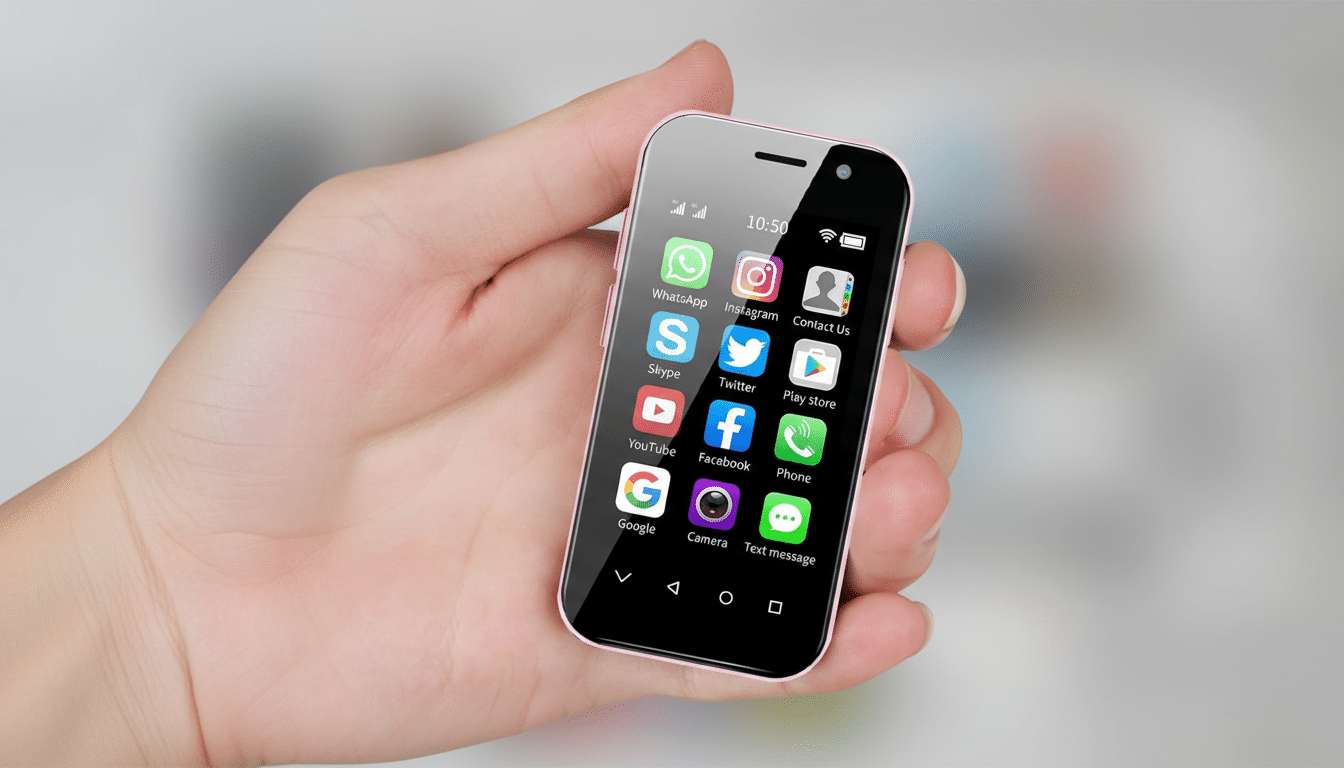
It arrives with practical extras: a silicone case, screen protector, USB charging cable, and a wrist strap. Color options span orange, blue, pink, gray, white, and silver. At 3.84 x 1.82 x 0.43 inches and a listed 300 g, it’s smaller than a credit card in height and width, though the stated weight is unusually high for this class and worth noting if pocket comfort is paramount.
Who This Mini Phone Is For: Travelers, Kids, Backups
Backup planners will appreciate a device that can live powered off in a go bag and spring to life when a main phone breaks or runs dry. Travelers can slide in a local SIM without touching their daily driver, and parents may prefer a compact, limited distraction device for kids on trips and at events. Runners, cyclists, and festival-goers get a lightweight safety line for calls, texts, and navigation—without the bulk.
There’s also a clear price story. Counterpoint Research has tracked steady growth in premium-phone ASPs, while entry-level devices often cut corners. An $80 Android that preserves essentials like dual SIM and GPS stands out, particularly when many budget models skip accessories or ship with older Android builds.
Performance And Trade-Offs On A Tiny 4-Inch Android
Expect competency, not horsepower. A multi-core budget chipset should handle calls, messaging, email, maps, music, and light social browsing. The HD camera is fine for quick snaps or document photos, but this isn’t a low-light or telephoto shooter. With 4 inches of screen real estate, typing requires accuracy and media binges are best left to larger devices. That said, a smaller panel often sips power; combined with a lean Android build, it can outlast heftier phones under modest use.
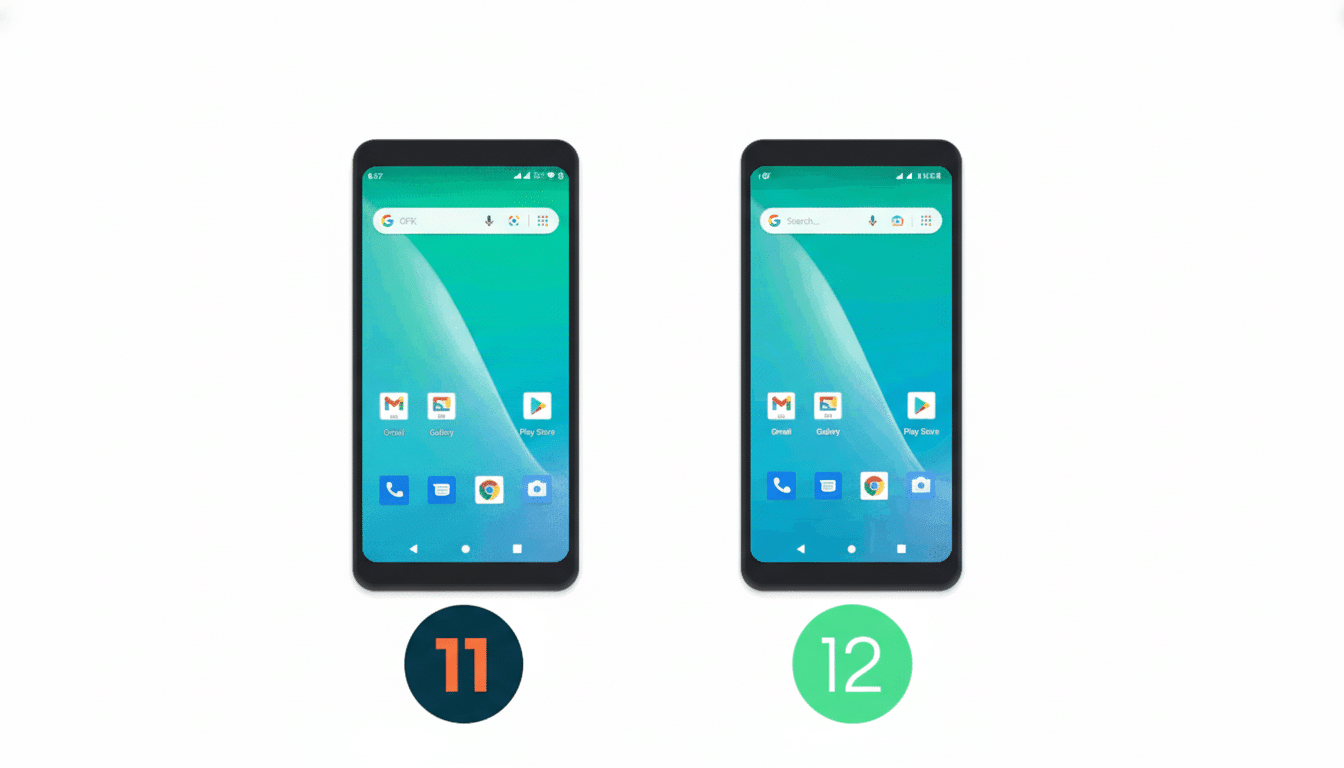
Android 12 is two generations behind current flagships, so prospective buyers should weigh app support and security patch cadence. Google’s Compatibility Test Suite and Play Protect help ensure baseline app reliability, but update commitments from ultra-budget vendors vary widely. If long-term security updates are a must, verify the vendor’s policy before buying.
4G Networks Still Matter For Everyday Connectivity
While 5G grabs headlines, 4G remains the backbone for everyday connectivity in many regions. GSMA Intelligence projects 4G will continue to account for a majority of mobile connections across numerous markets in the near term, which makes a 4G-only device practical for basic communications, rideshares, and maps. In other words, for a backup or travel phone, 4G is far from obsolete.
Carrier And Band Compatibility Checks Before You Buy
Before you buy, confirm LTE band support with your carrier. In the US, bands like 2, 4, 5, 12/17, 13, 66, and 71 can be important depending on the network and region. International travelers should cross-check local LTE bands and VoLTE requirements, since some carriers have sunset 3G voice fallback. A quick check with your provider—or a look at their published band list—can save headaches later.
How It Compares To Other Tiny Phones On The Market
Small phones are a niche: the Unihertz Jelly 2, one of the best-known compact Androids, usually costs several times more than $80, and the revived Palm Phone launched at a premium despite its minimalist pitch. This deal undercuts both by focusing on the basics and bundling accessories most budget buyers would have to add separately.
The Bottom Line On Value For This Mini 4G Android Phone
At $79.99—listed as roughly 47% off the regular $149.99 price, with a modest shipping fee—the mini 4G Android handset hits a sweet spot for a glovebox emergency phone, a travel companion, or a distraction-free daily driver. It won’t replace a flagship camera or a gaming rig, but for core communication and navigation in a truly pocket-sized frame, the value proposition is hard to ignore.