


Catching a show at KettleHouse Amphitheater feels a little different from a standard arena night. You’re in Bonner, just outside Missoula, with mountain air, river scenery, and the kind of setup that makes live music feel bigger. If you’re sorting out your plans, what to bring, when to arrive, and how to avoid the usual event-night headaches all matter more than people expect. A little prep can turn a decent night into a seriously memorable one.
Buying Tickets Without Last-Minute Stress
Ticket shopping gets messy fast when demand spikes. Prices move, seat or section options shift, and hesitation can leave you staring at a sold-out notice that feels personally rude. The smart move is to decide early what matters most to you: budget, view, flexibility, or being close to the stage.
- Buying Tickets Without Last-Minute Stress
- What Makes KettleHouse Amphitheater Stand Out
- How to Choose the Right Show for Your Night Out
- What to Know Before You Arrive at the Venue
- What to Wear and Bring for an Outdoor Show
- Food, Drinks, and Budgeting for the Full Experience
- Making the Most of the Crowd and Atmosphere
If you already know the date you want, it helps to check availability at KettleHouse Amphitheater event tickets online before making the rest of your plans. That gives you a clearer sense of current options and helps you avoid planning a whole night around a show that’s nearly gone.
Keep your budget realistic. Ticket cost is only part of the total. Parking, food, drinks, gas, and maybe even a hotel can sneak up on you. Live music is fun. Surprise spending, less so.
What Makes KettleHouse Amphitheater Stand Out
KettleHouse Amphitheater has a reputation for giving you the outdoor concert experience without making it feel chaotic. The venue sits near the Blackfoot River, and that setting changes the mood right away. You’re not walking into a giant concrete box with fluorescent lighting and overpriced mystery vibes.
The layout is part of the appeal. You get a more open, scenic environment, which can make even a casual show feel like an event. Big-name touring acts often stop there, and the venue’s size helps keep things energetic without becoming overwhelming.
If you’ve only been to indoor concerts, expect a different rhythm. Weather matters. Timing matters. Even your shoes matter. That sounds dramatic, but nobody wants to learn the hard way that fashion sneakers and uneven ground are a terrible duet.
How to Choose the Right Show for Your Night Out
Not every concert creates the same experience, even in the same venue. Some shows are built for dancing, some lean more laid-back, and some attract a crowd that arrives ready to tailgate the second parking opens. Before you buy anything, check the artist, crowd style, start time, and whether you’re planning a date night, group hangout, or solo music mission.
A weekday indie set might feel relaxed and easy to navigate. A weekend headliner usually brings heavier traffic, longer lines, and more competition for ideal spots. That doesn’t make one better than the other. It just changes how you should plan.
Think practically about your energy too. If you hate standing forever, show type matters. If you love the opening acts, arriving early is part of the fun. A strong concert plan starts with being honest about what kind of night you actually want.
What to Know Before You Arrive at the Venue
Outdoor venues reward people who think ahead. Start with arrival time. Getting there early usually means less traffic, easier parking, and less rushing once you’re through the gates. It also gives you time to figure out the layout before the crowd gets thick.
Check the venue’s policies in advance, especially for bag size, allowed items, and entry rules. Don’t assume your usual concert setup will work everywhere. A bag that passes at one venue may get rejected at another, and security lines move a lot slower when people are negotiating with zippers.
Phone battery is another small detail that becomes a big one. Your ticket, map, ride coordination, and group texts all live on that device. Charge it before you leave. If you’re going with friends, decide on a meet-up point in case the signal gets spotty. Large crowds and mobile service are not always best friends.
What to Wear and Bring for an Outdoor Show
You want clothes that match the forecast, the terrain, and the reality of standing or walking for a while. Layering works better than guessing. Even warm days can cool down fast once the sun drops, especially in Montana.
Shoes deserve more thought than almost anything else. Go for comfort and stability over looks. Uneven ground, dust, and long walks from parking lots can ruin your mood if your footwear is all style and no engineering. Your future self will appreciate the boring, sensible choice.
Bring only what you’ll really use. Essentials usually include your phone, ID, payment method, and a light layer. If the venue permits it, sunscreen and a small portable charger can be useful too. Skip hauling half your bedroom around. The goal is to move easily, not to become your group’s overpacked sherpa.
Food, Drinks, and Budgeting for the Full Experience
Concessions are part of the event experience, but they can quietly wreck your budget if you don’t pay attention. It helps to decide in advance whether you’re grabbing a full meal there or just a snack and drink. Going in hungry often leads to buying whatever is fastest and most expensive.
If you’re driving from Missoula or nearby areas, eating beforehand can be a smart move. Then you can treat venue food as a bonus instead of a necessity. That gives you more freedom to spend on something you actually want rather than the first item you see while waiting in line.
Drinks, especially at live events, tend to add up fast. Set a spending limit before you arrive. That sounds unglamorous, but it keeps the post-concert bank balance from delivering its own encore. A great night out feels better when you’re not financially haunted the next morning.
Making the Most of the Crowd and Atmosphere
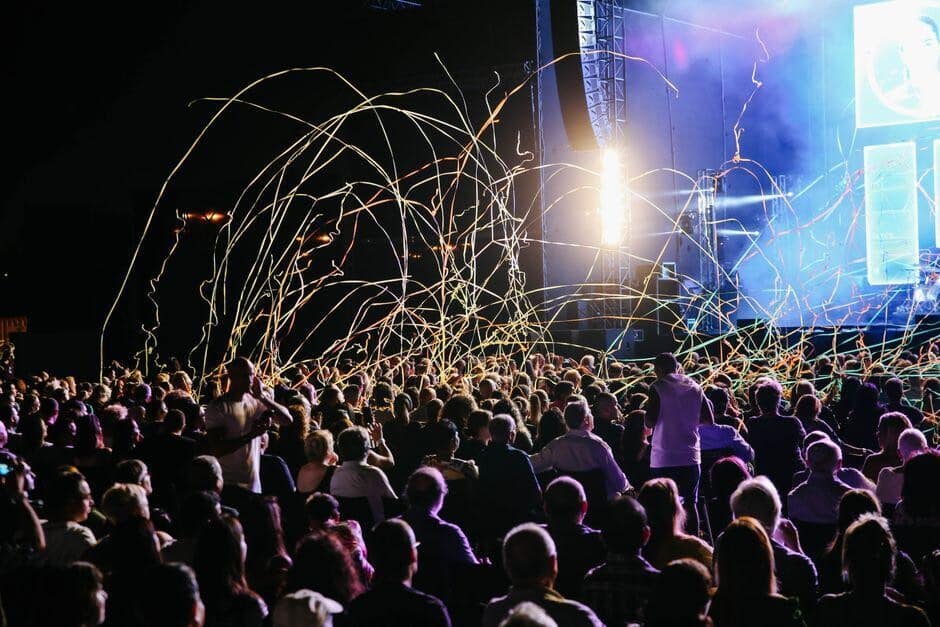
Part of what makes outdoor concerts memorable is the shared energy. You’re not just listening to music. You’re reacting with a crowd, watching the light change, hearing the opening chord hit, and feeling that brief moment where thousands of people suddenly care about the exact same thing.
Still, crowd dynamics matter. If you want space, don’t push toward the densest area and then act shocked when personal bubbles vanish. If you want maximum intensity, get closer and expect less elbow room. There’s no wrong choice, only trade-offs.
Be aware of basic concert etiquette. Don’t block everyone’s view with nonstop phone filming. Don’t turn your reunion with your friend into a full-volume podcast during the quiet song. The best concert crowds create energy without making life harder for everyone nearby.