


Infrastructure projects are the backbone of modern society. They shape our cities, enhance transportation, and provide essential services that keep us connected. Whether it’s building a bridge, constructing roads, or laying down water lines, these projects require careful planning and execution.
Yet behind every successful infrastructure project lies an often-overlooked factor: construction equipment. Choosing the right machinery can make all the difference between timely completion and costly delays. It’s not just about having heavy-duty tools; it’s about selecting those that match your specific needs.
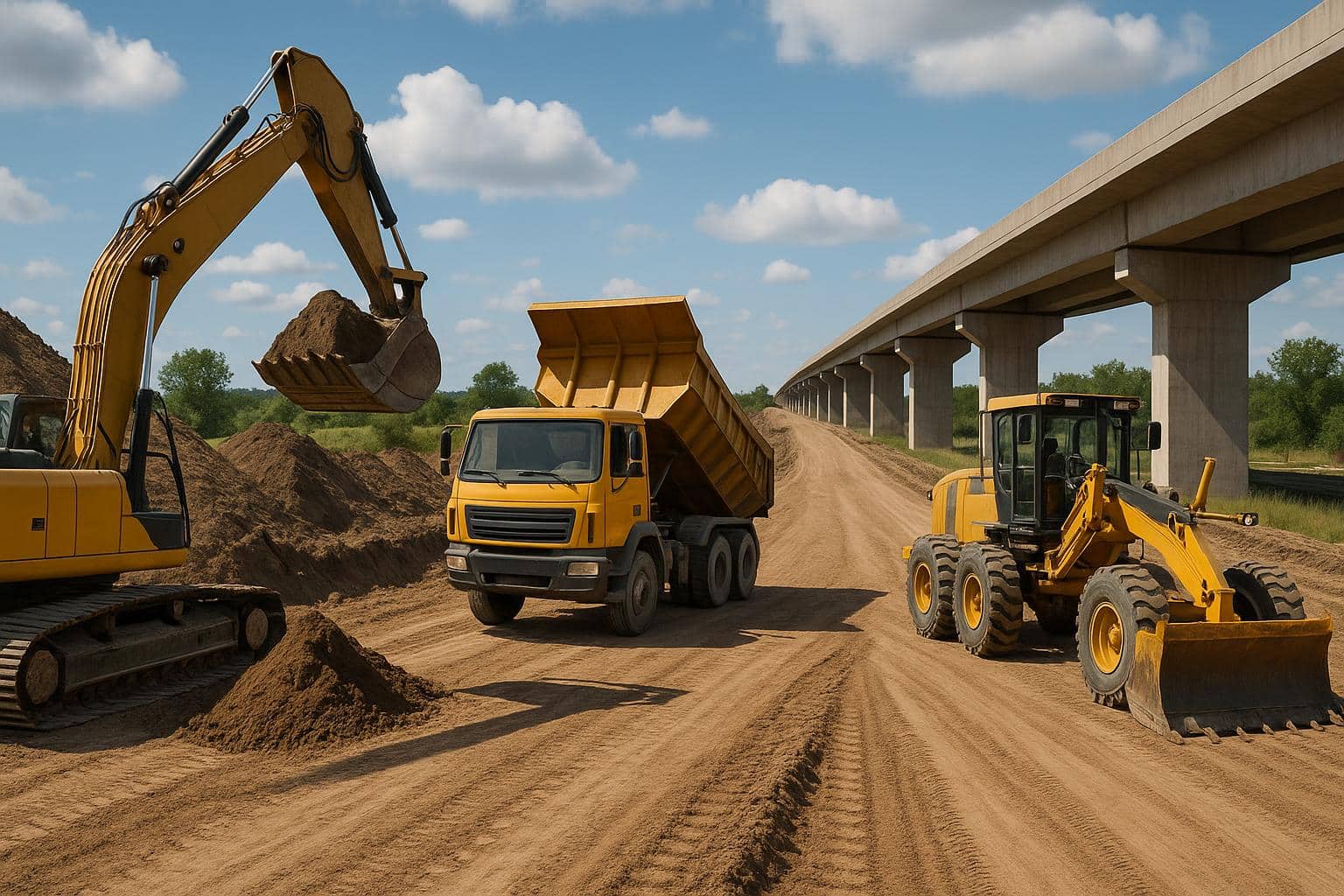
As we delve into this topic, you’ll discover how to navigate the complexities of planning infrastructure projects with the optimal construction equipment at your disposal. Let’s explore what you need to know for success in this critical area!
The Importance of Using the Right Construction Equipment
Choosing the right construction like sunstate pipelines is crucial for any infrastructure project. It directly impacts efficiency and productivity on-site. The appropriate machinery can help complete tasks faster and with greater precision.
Using specialized equipment reduces the risk of accidents. Operators are trained to handle specific machines, minimizing errors that could lead to costly delays or injuries.
Moreover, using well-suited tools contributes to better resource management. It ensures materials are utilized effectively, reducing waste and lowering overall costs.
The right equipment also enhances the quality of work produced. When each component fits perfectly into a project’s requirements, it leads to superior results that stand the test of time.
Investing in suitable machinery helps maintain timelines and boost morale among workers as they tackle their responsibilities with confidence. Each piece plays an essential role in achieving successful outcomes across various projects.
Types of Construction Equipment for Different Projects
Construction projects vary significantly in scope and requirements. Each type demands specialized equipment to ensure efficiency and safety.
For large-scale earthmoving tasks, excavators are indispensable. They excel at digging trenches or moving massive amounts of soil. When it comes to lifting heavy materials, cranes take center stage, providing the reach necessary for high-rise constructions.
Roadwork often utilizes bulldozers and graders. These machines help shape landscapes and prepare surfaces for asphalt or concrete layers. For smaller jobs like landscaping or minor renovations, skid steers offer versatility in tight spaces.
Concrete mixers play a critical role on sites where concrete is required. Whether pouring foundations or building walls, they ensure consistent material quality.
Each piece of equipment serves a unique purpose based on project needs, enabling teams to complete tasks effectively while adhering to timelines.
Factors to Consider When Choosing Construction Equipment
Choosing the right construction equipment is crucial for project success. Start by evaluating the specific needs of your project. The scope and scale can dictate what machinery will be most effective.
Next, consider the terrain where work will take place. Different environments may require specialized equipment to navigate challenging conditions, such as steep slopes or uneven ground.
Budget constraints also play a significant role in decision-making. Determine if you have enough funds not just for purchase but also for maintenance and operation costs over time.
Additionally, think about safety features. Modern equipment often comes with advanced technology designed to protect workers on-site.
Assess availability and support services from suppliers. Quick access to parts or service can minimize downtime during critical phases of your project.
Renting vs Buying Construction Equipment
When it comes to acquiring construction equipment, the choice between renting and buying can significantly impact your project’s bottom line. Each option has its unique advantages.
Renting offers flexibility. It allows you to access high-end machinery without a hefty upfront investment. For short-term projects or specialized needs, renting makes financial sense. You can choose exactly what you need for each job and return it when you’re done.
On the other hand, purchasing equipment is often more cost-effective in the long run for contractors with consistent workloads. Owning your tools means no rental fees piling up over time, plus they are always available when needed.
Consider factors like how frequently you’ll use the equipment, storage availability, maintenance costs, and depreciation rates before making a decision. Whether you rent or buy should align with your project’s specific requirements and financial capabilities. Choose wisely to ensure that your infrastructure initiatives flourish without unnecessary obstacles.