


Most home improvement conversations start with resale value, which is a strange place to begin when the people having the conversation intend to keep living there. A house is used every single day, and the changes that improve daily life often have nothing to do with what impresses a future buyer. In Rochester, NY, where winters are long and people spend real time indoors, comfort is not a luxury consideration. It shapes how a home actually feels to occupy.
The most satisfying upgrades tend to be the ones that fix a daily irritation. A room that is always cold. A space that never has enough light. A layout that forces awkward movement through a doorway several times a day. These are the things that wear on people quietly, and correcting them delivers a return that shows up every morning rather than once at closing.
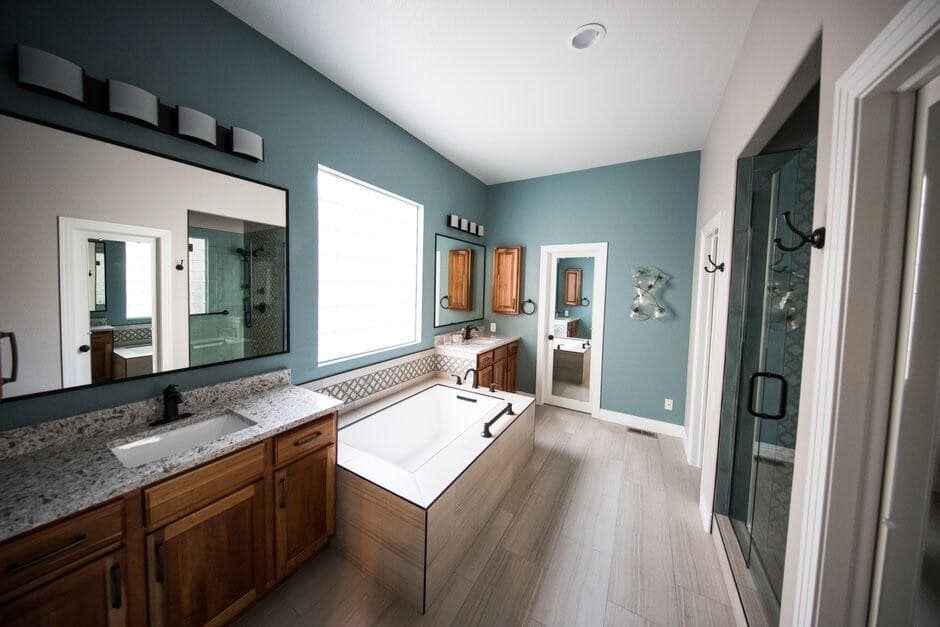
Making the Most Used Spaces Work Properly
Some rooms in a house get used more heavily than any other, and the wear shows. Fixtures that date back decades develop stains that no amount of cleaning removes, surfaces crack, and layouts designed for a different era stop matching how a household lives. The frustration builds slowly until an ordinary daily routine becomes something people put up with rather than enjoy.
Safety concerns often bring the issue to a head, particularly for older residents or anyone dealing with mobility limits. Stepping over a high tub wall on a wet surface is a genuine hazard, and the alternative is not always obvious to homeowners trying to figure it out alone. Hiring experienced Rochester NY bathroom remodelers helps ensure the installation is done properly.
Getting the Temperature Right Throughout the House
Uneven heating is one of the most common complaints in older homes and one of the most fixable. Rooms that never warm up usually point to insulation gaps, air leakage, or ductwork that no longer distributes properly rather than an undersized furnace.
Air sealing is the highest value starting point. Gaps around window frames, door thresholds, attic hatches, and penetrations for plumbing and wiring let conditioned air escape continuously. Sealing these is inexpensive, and the difference is noticeable within days.
Attic insulation comes next. Heat rises, and an under-insulated attic bleeds warmth all winter while allowing heat in during summer. Bringing insulation up to current recommended depth is one of the few upgrades that pays for itself in a reasonable timeframe while improving comfort immediately.
Duct sealing matters in homes with forced air systems. Leaking ducts push conditioned air into wall cavities and crawl spaces instead of living areas, which explains why some rooms never reach the thermostat setting no matter how long the system runs.
Improving Light in Rooms That Feel Dim
Poor lighting affects mood, comfort, and how large a space feels, and most homes rely on a single ceiling fixture per room that does none of those things well. Layering is the principle worth applying. Ambient light fills the room, task light serves specific activities, and accent light adds depth.
Under-cabinet lighting transforms kitchen work surfaces. Reading lamps positioned properly make a living room genuinely usable in the evening. Dimmers on main fixtures allow the same room to serve different purposes across the day.
Natural light deserves attention as well. Heavy window treatments, overgrown shrubs outside, and dark wall colors all reduce the daylight a room receives. Trimming plantings and choosing lighter finishes often achieves more than adding fixtures.
Reducing Noise Between Rooms
Sound transmission is rarely discussed until it becomes a problem, and then it becomes a significant one. Households with different schedules, home offices, or teenagers quickly discover which walls do nothing to contain noise.
Solid core doors make a substantial difference and are a straightforward swap. Insulation added to interior walls during any project that opens them is worth the small additional cost. Soft surfaces help too, since rugs, curtains, and upholstered furniture absorb sound that hard floors and bare walls simply bounce around.
Adding Storage Where It Actually Helps
Clutter creates a persistent low-level stress in a home, and it usually stems from storage that does not match how a household lives rather than a shortage of space overall.
Entry areas benefit most. A dedicated spot for coats, shoes, bags, and keys prevents the pile that otherwise migrates through the house. Built-in benches with storage underneath handle this well in a small footprint.
Closet interiors are frequently wasted space. Standard single rod and shelf arrangements leave large volumes unused. Adding a second rod, adjustable shelving, or drawer units multiplies capacity without changing the footprint.
Vertical space throughout the house tends to be underused. Shelving that runs higher, cabinets that reach the ceiling, and storage above doorways all recover volume that already exists.
Handling Floors and Surfaces That Have Worn Out
Flooring takes more abuse than any other surface and shows age faster. Worn carpet holds odors and allergens, damaged vinyl becomes a trip hazard, and scratched finishes make an otherwise tidy room look neglected.
Replacement is not always necessary. Hardwood can often be refinished several times over its life at a fraction of replacement cost. Where replacement is warranted, durability should drive the choice, particularly in entryways and high-traffic paths.
Sequencing the Work Sensibly
Homeowners planning multiple improvements benefit enormously from thinking about order. Anything involving structural work, plumbing, or electrical belongs before cosmetic finishes, since opening a finished wall later means paying twice.
Budget also deserves realistic treatment. Projects routinely run longer and cost more than initial estimates, and building a contingency into the plan prevents the situation where a household runs out of money halfway through and lives with an unfinished space for months.
The goal throughout is a home that supports the way its occupants actually live. That standard is more useful than any resale calculation, and it produces results people notice every day rather than only when they leave.