


It seems like Google may be paving the way for hypertension risk notification on the Pixel Watch, similar to Apple’s passive blood pressure notifications rather than a take-when-you-need-it reading. Mentions of a Fitbit Hypertension Study and a feature code-named “tidal” appeared in the latest version of the Fitbit app, suggesting an underlying algorithm that might raise an alert about high blood pressure risk from daily wear.
What Google Is Building for Pixel Watch Hypertension Alerts
New Fitbit app strings found mention of a Fitbit Labs study that is aimed at driving research into the detection of early signs of hypertension using sensor data from Pixel Watch. Consent forms and brief surveys are provided through enrollment documents, in addition to passive data collection from usual watch use. To generate high-quality labels for both training and validation, a subset of participants would wear a 24-hour ambulatory blood pressure monitor – the clinical gold standard – alongside wearable devices, with a small honorarium mentioned for returning equipment.
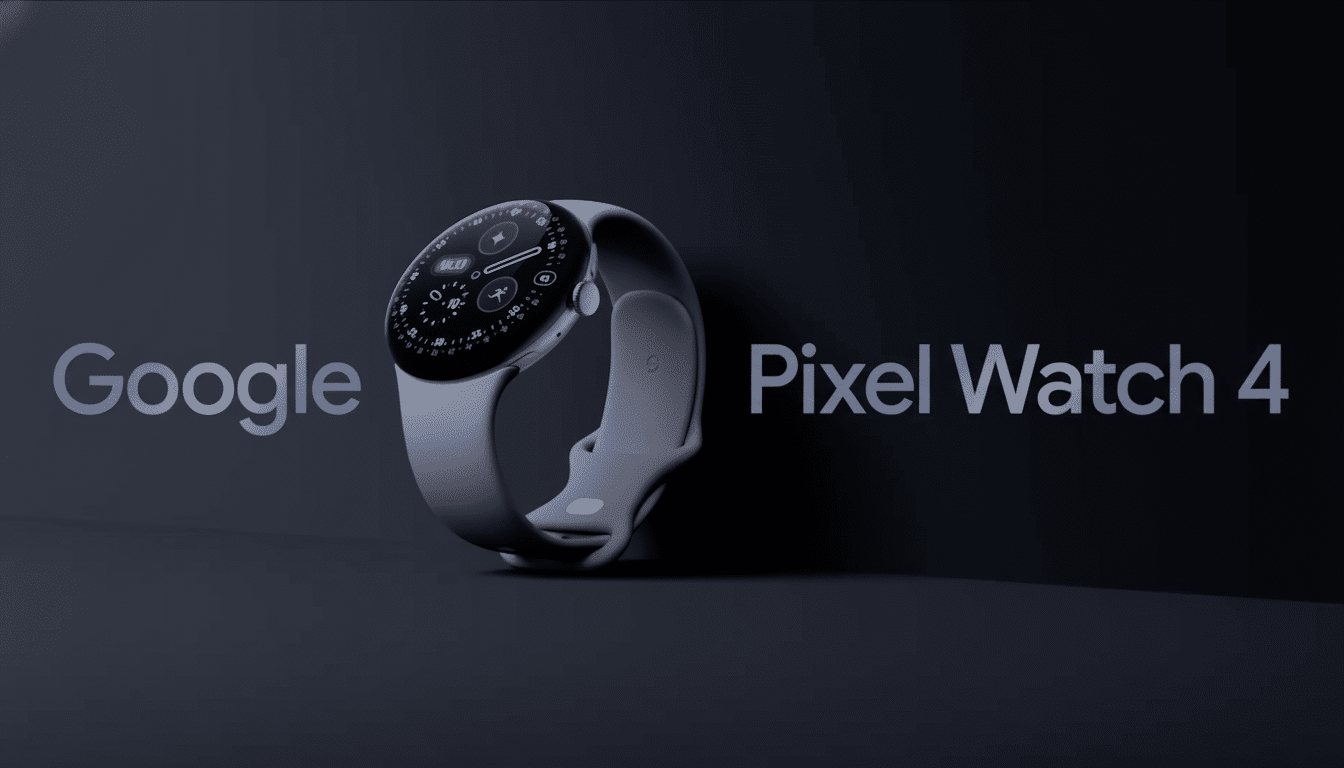
The program stresses that the outputs are informative and not medical advice. It also maintains a wary eye on potential battery impact, which is the downside that frequently comes with running ongoing analysis of optical signals and motion data in the background. That framing suggests an ambitious-health-focused rollout at the outset, even as Google collects the proof of concept it needs to articulate more about what “quality” entails, and how Google intends to privilege some content over all other content.
How the Pixel Watch Hypertension Alerts Could Work
Instead of providing systolic and diastolic measurements on command, a Pixel Watch hypertension feature would probably process weeks of optical heart sensor readings to draw inferences about vascular changes associated with chronically high blood pressure. This approach harnesses pulse waveform analysis — tiny variations in how blood volume in the wrist courses with each heartbeat — along with motion, skin contact and contextual signals to filter out noise.
Apple takes a similar approach with its latest Apple Watch models: no cuff, no immediate reading, but rather an algorithm running longways across about a month’s worth of signals that alerts users when it sees patterns indicative of high blood pressure risk. Apple has also said its model was developed based on data from over 100,000 participants and validated in a clinical study involving more than 2,000 people. Expect Google to follow a similar evidence-based platform released through the Fitbit study prior to widespread release.
Why Hypertension Alerts on Pixel Watch Devices Matter
Hypertension is widespread, underdiagnosed and mostly asymptomatic. The World Health Organization says people who have high blood pressure number more than 1.2 billion worldwide, and U.S. public health data suggest that nearly half of adults meet the clinical definition. Few obtain satisfactory control with treatment. Early detection could encourage a visit to a clinic, an accurate cuff-based measurement and interventions for some people that can slash the risk of stroke and heart disease.
Wearables are good at grabbing subtle trends users might not pay attention to. The value here isn’t to replace a cuff; it’s nudging at the right time. If an algorithm can consistently bubble up a “something looks off” indicator after weeks of normal-wear data, that could potentially shave steps off the road to diagnosis and treatment without adding friction into daily life.
Competition and Constraints Facing Google’s Pixel Watch
Rivals have tried different routes. Samsung’s Galaxy Watch can predict blood pressure after being calibrated each month with a traditional cuff, providing systolic and diastolic measurements but needing regular maintenance as well as passing through regional regulatory clearances. Huawei’s Watch D2 pushes the approach to an extreme with its miniaturized version of inflatable straps that behave more like a wrist cuff, but for the sake of bulk.
It looks like Google is going down the same route Apple took: passive alerts based on machine learning, no calibration and clear disclaimers. That approach scales more quickly across the globe and doesn’t carry the regulatory burden of boasting clinical-grade measurements. It also means users won’t get to see a number on demand. But for plenty of people, a timely alert remains the most actionable output.
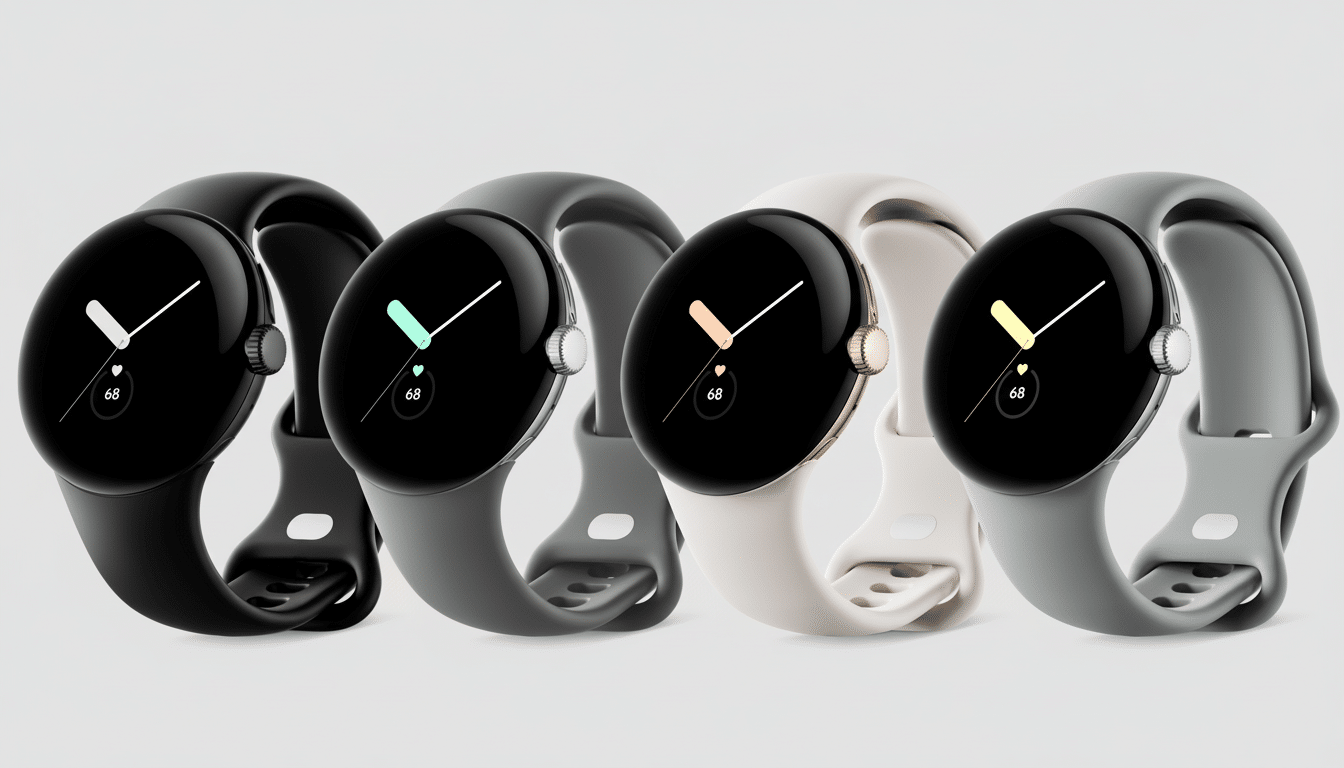
One big question here is hardware support. Since this approach is heavily dependent on the optical heart sensing and motion data already aboard Pixel Watch and Pixel Watch 2, there’s a plausible path for existing models to be supported if performance meets internal standards. The fact that the study is relying on readings during normal wear suggests that backward compatibility is at least a consideration.
What to Watch Next as Google Tests Hypertension Alerts
Timelines remain fluid. Google requires good-quality, diverse datasets — hence the optional 24-hour monitor cohort — on which to test whether the algorithm generalizes across skin tones, ages, levels of fitness and daily routines. Anticipate conservative language at launch, and slow expansion as evidence accumulates and regional regulators pass judgment.
If and when it does ship, keep an eye out for tight Fitbit integration: trend cards, context around how the alert was generated, and clear next steps that emphasize verification with a cuff. It will also all come down to whatever new privacy controls and battery optimizations we get. Done well, such hypertension alerts could be the most meaningful health feature on the Pixel Watch yet — quietly humming in the background until it finds something that truly, actually requires your attention.