


AirDrop interoperability is beginning to light up on the Pixel 9 series, with early adopters reporting that Quick Share can now exchange files directly with Apple devices. The capability, first introduced on newer Pixels, is quietly expanding to Google’s latest mainstream lineup in a phased rollout that appears tied to server-side switches and recent system component updates.
What Pixel 9 Owners Are Seeing Now During Rollout
Multiple Pixel 9 users, including those on Pixel 9 Pro and Pixel 9 Pro XL, say they can send and receive items with iPhones and iPads using the native share menus on both platforms. Reports describe the feature working on stable builds without enrolling in betas, which points to a background enablement rather than a full OS update.
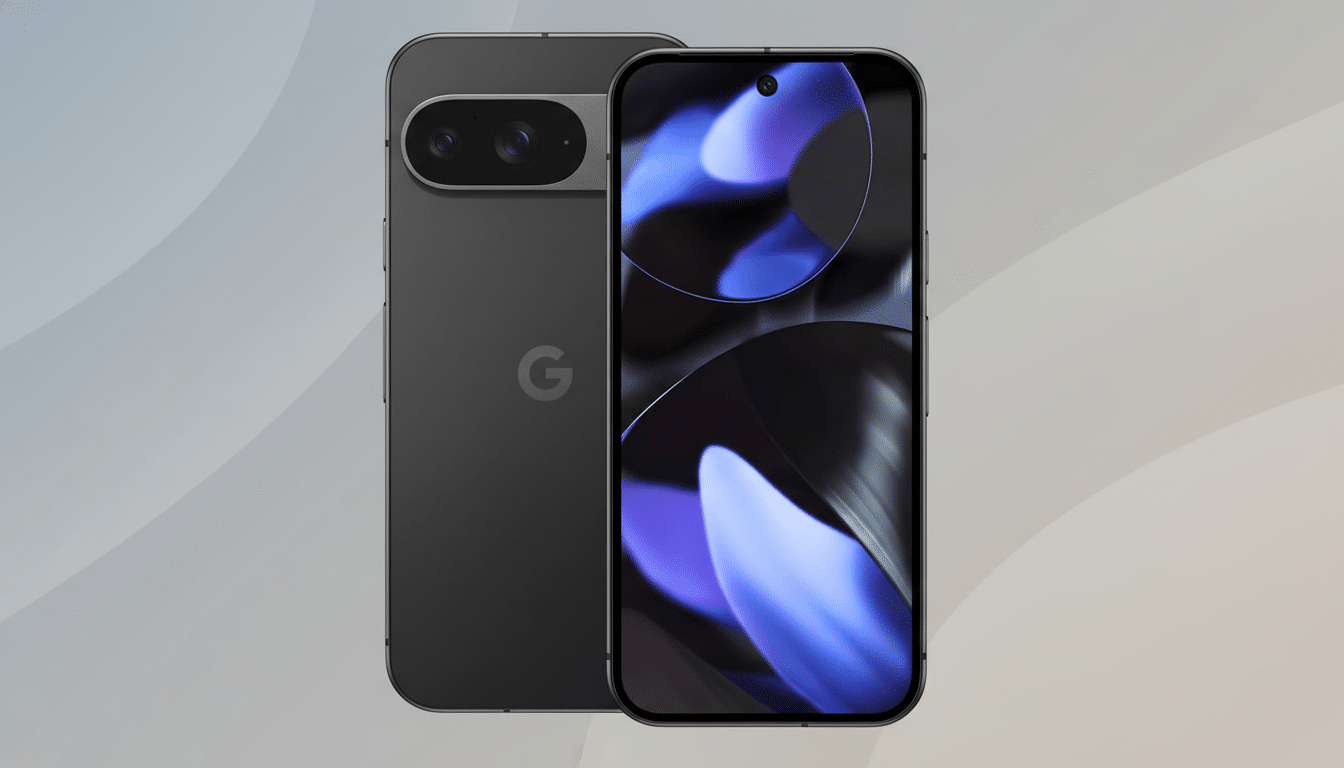
It is not universal yet. Other Pixel 9 owners in the same threads note that they still lack the option, a sign that Google is gating access via staged flags. That staggered approach is typical for features delivered through Google Play services and modular system components, allowing the company to monitor reliability before flipping the switch broadly.
How Quick Share And AirDrop Work Together
Under the hood, the experience relies on short-range discovery over Bluetooth Low Energy and high-speed transfers over peer-to-peer Wi‑Fi. Apple documents that AirDrop uses a custom ad hoc protocol built on Wi‑Fi and Bluetooth, while Android’s Quick Share (the successor to Nearby Share) taps Wi‑Fi Direct for bandwidth. In practice, that means you see nearby devices in the share sheet and hand off content instantly once both sides confirm.
To maximize success, both devices need Bluetooth and Wi‑Fi enabled, and visibility controls must be set appropriately. On iPhone, AirDrop’s visibility often defaults to Contacts Only; switching to Everyone for 10 Minutes can help during first-time pairing. On the Pixel 9, Quick Share offers similar visibility options, and the feature surfaces as a tile in Quick Settings or within Connected devices. Real-world transfer rates vary with hardware and interference, but peer-to-peer Wi‑Fi commonly moves large photos and videos in seconds rather than minutes.
Importantly, both ecosystems prompt for consent before accepting incoming files, and transfers occur over encrypted links. That keeps unsolicited content and man-in-the-middle risks in check, mirroring the trust model people already expect from same-platform sharing.
Rollout Clues And Requirements For Pixel 9 Support
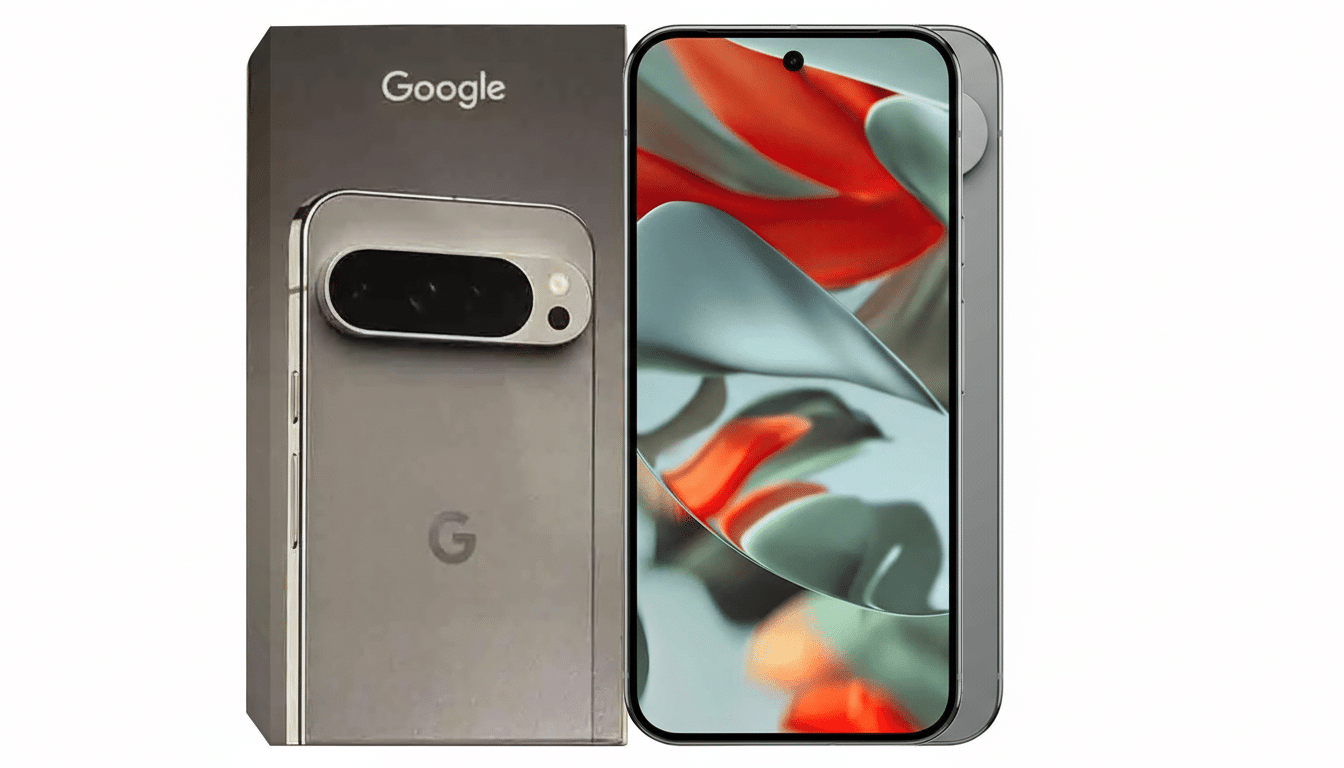
Signals that Pixel 9 support was imminent surfaced in recent Android Canary builds, including version ZP11.251212.007, where code paths referenced expanded interoperability. That groundwork appears to be paying off now as the capability begins landing for mainstream users.
If you have a Pixel 9, make sure Google Play services, Google Play system updates, and the Quick Share component are fully up to date. You can check Quick Share status via Settings > Connected devices or by editing Quick Settings to add the Quick Share tile. If AirDrop-compatible prompts aren’t visible yet, it likely means your account or region hasn’t been enabled in this wave; historically, these rollouts widen over time without additional user action.
Why This Matters For Mixed-Device Households
Cross-platform sharing reduces a persistent pain point for families, classrooms, and workplaces where iPhones and Android devices coexist. Instead of emailing attachments, uploading to cloud drives, or resorting to messaging compression, users can hand off original files with minimal friction. IT teams benefit as well: a native, encrypted, proximity-based transfer reduces reliance on ad hoc workarounds that can create data sprawl.
Industry watchers have long noted that short-range interoperability is a litmus test for ecosystem openness. Extending Quick Share to talk directly with AirDrop doesn’t erase platform differences, but it does narrow a daily-life gap that previously pushed people toward single-vendor setups. It also hints at a broader strategy from Google to deliver meaningful upgrades at the services layer, independent of full OS releases.
What To Expect Next As Google Expands The Rollout
Based on the pattern so far, more Pixel 9 units should gain AirDrop interoperability as Google expands the server-side rollout and tunes stability. The company has signaled that broader device support is on the roadmap, but for now the focus is clearly on the newest mainstream Pixels. If your phone hasn’t received it yet, keep an eye on Play services updates and watch for the Quick Share target list to start showing Apple devices nearby.