


Google is bringing true cross‑platform file sharing to last year’s Pixels. The company has confirmed that Pixel 9 devices now support AirDrop interoperability through Quick Share, closing the gap with the Pixel 10 lineup and enabling seamless, local transfers with iPhones, iPads, and Macs.
The rollout is phased and server‑side, so availability will appear over the coming weeks. Early adopters have already spotted the toggle on Pixel 9 units, hinting that the switch began flicking on ahead of the official announcement. One notable omission remains the Pixel 9a, which isn’t part of this wave.
- What Pixel 9 Owners Gain from Quick Share AirDrop Support
- How the Cross‑Platform Handshake Works Between Devices
- Security and Privacy Considerations for Cross‑Platform Sharing
- Rollout Details and Limitations for Pixel 9 Interoperability
- Why This Matters for Mixed Apple and Android Users
- What Comes Next for Quick Share and Broader AirDrop Support
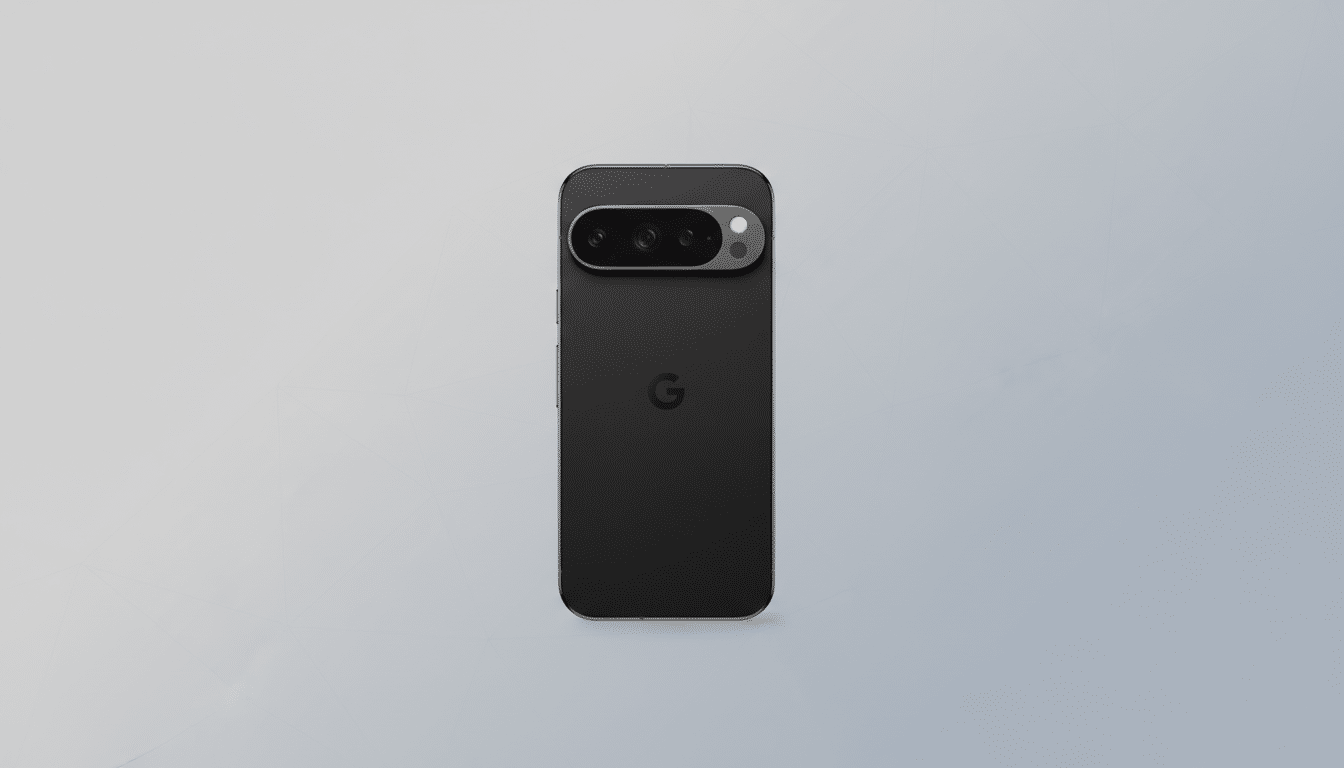
What Pixel 9 Owners Gain from Quick Share AirDrop Support
Interoperability covers the full Pixel 9 family: Pixel 9, Pixel 9 Pro, Pixel 9 Pro XL, and Pixel 9 Pro Fold. Once live, users can initiate or accept transfers directly with Apple devices by having the recipient set AirDrop to “Everyone for 10 Minutes,” a discovery mode Apple introduced to curb unwanted requests while preserving convenience.
The experience mirrors native AirDrop behavior: tap Share, pick Quick Share, select the nearby Apple device, and the file flies across without touching cloud servers. Photos, videos, documents, and other large files move peer‑to‑peer, which is crucial for speed, privacy, and offline scenarios.
How the Cross‑Platform Handshake Works Between Devices
Under the hood, both ecosystems rely on similar building blocks: Bluetooth Low Energy for discovery and a high‑throughput local Wi‑Fi link for the actual transfer. On Apple devices, that path typically rides over AWDL (Apple Wireless Direct Link). On Android, Quick Share negotiates a direct connection—often Wi‑Fi Direct—so the data never routes through the internet.
The result is performance that feels native on both sides. In practical terms, a multi‑hundred‑megabyte 4K clip or a batch of RAW photos should move in seconds to a minute depending on radio conditions, just as you’d expect with standard AirDrop between Apple devices.
Security and Privacy Considerations for Cross‑Platform Sharing
Google says the integration is built with multi‑layered safeguards. Quick Share uses encrypted local links and device authentication, and it respects per‑contact visibility controls. On the Apple side, the Platform Security guide details AirDrop’s use of encrypted channels and protections that obscure identifying info during discovery.
Requiring AirDrop’s “Everyone for 10 Minutes” limits unsolicited pings in public spaces while keeping mixed‑platform sharing just a couple of taps away. Because the transfers are local and peer‑to‑peer, there’s no cloud copy to manage and no server‑side metadata trail, a key privacy advantage for sensitive media.
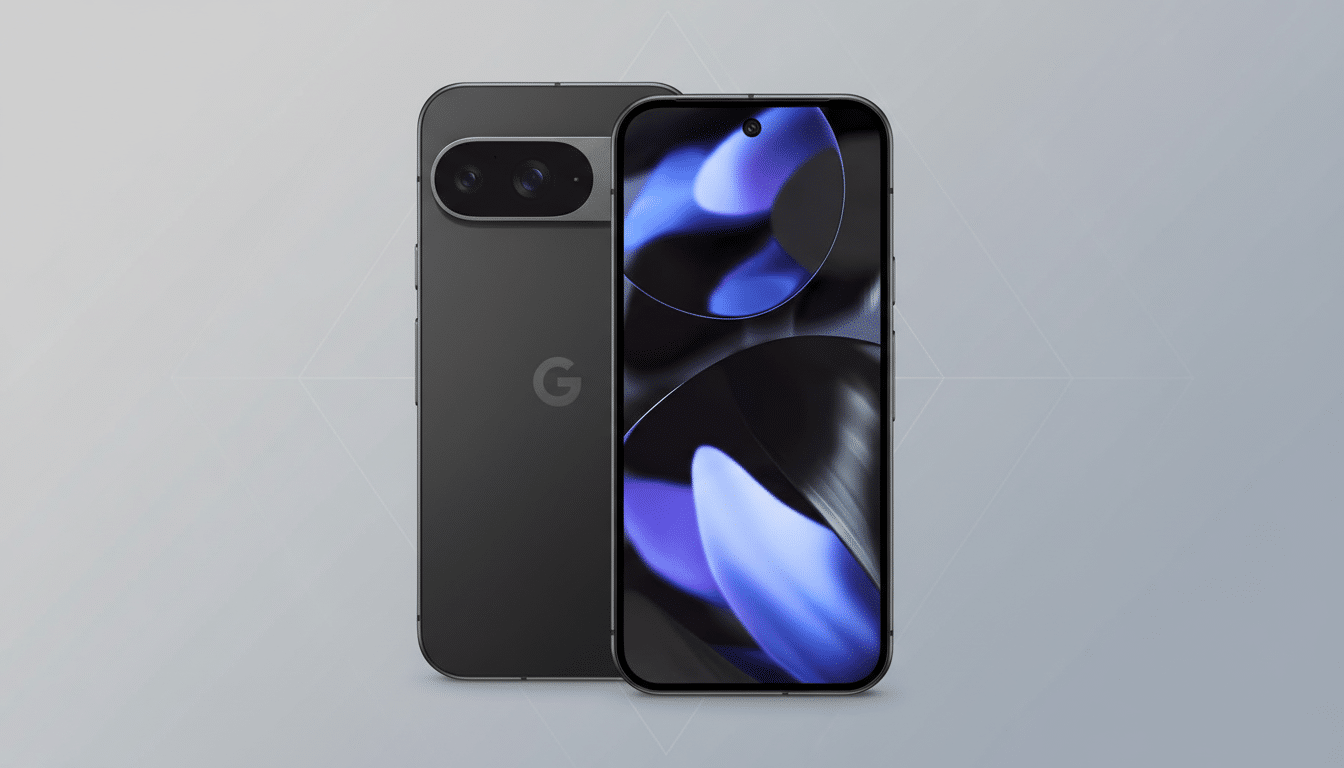
Rollout Details and Limitations for Pixel 9 Interoperability
Google is staging the release via backend updates and components like Google Play services, so you won’t necessarily need a full OS update. Expect staggered availability by region and carrier, a pattern common to feature drops that rely on new system components and server flags.
The outlier is the Pixel 9a, which isn’t supported at launch. Google hasn’t provided a technical rationale, but the company has historically introduced complex radio features on flagships first before broadening support. For now, interoperability is guaranteed on Pixel 9 and Pixel 10 models only.
Why This Matters for Mixed Apple and Android Users
Mixed‑device households, classrooms, and workplaces have long relied on workarounds—cloud links, email, or messaging apps—for quick handoffs. Native, local sharing cuts that friction. In the U.S., iPhone accounts for over 50% of smartphone sales according to Counterpoint Research, while Android maintains a dominant global installed base reported by StatCounter. Cross‑platform parity benefits both sides of that split.
Consider everyday workflows: a teacher beaming PDFs to a class with both iPads and Pixel tablets; a content team moving 4K footage from a Pixel 9 Pro to a MacBook on a deadline; or families trading vacation videos without compressing them through chat apps. Interoperability turns those from chores into muscle memory.
What Comes Next for Quick Share and Broader AirDrop Support
Google has indicated it’s working with Android OEMs to expand AirDrop compatibility beyond Pixel. With Android surpassing 3 billion active devices as previously noted by Google, even a modest uptake among major manufacturers like Samsung, OnePlus, and Xiaomi would transform local sharing norms in a hurry.
For now, the priority is finishing the Pixel 9 rollout. If you don’t see the feature yet, keep Quick Share enabled, update Google Play services, and watch for the option to appear in your share sheet. When it does, you’ll have one less reason to reach for a cable, a cloud link, or a chat thread just to move a file next door.