


The season is not over and no one can even come close to the leader. Considering Google’s recent flagship momentum, credible supply line gossip, and the landscape of competition, it appears that the Pixel 11 should be the phone to beat for 2026. It’s not a bold prediction as much as a guess at trajectory: Google has honed hardware basics, matured its AI services, and kept software sleek while competitors chase labels and incremental tweaks.
Why the Pixel 11 Knows No Limits in Daily Use
Google has been gradually flattening the line between its base and Pro models over the past several generations, quietly standardizing the stuff that matters day to day: a battery you can count on, a competent telephoto in every model, and algorithms that wring all they possibly can out of sensors. The result, predictably enough, is streaks of excellence: night shots that don’t smear detail; portraits with convincing edge detection; and video that has finally caught up on stabilization and skin-tone fidelity.
- Why the Pixel 11 Knows No Limits in Daily Use
- Rivals Stumble on Iteration as Upgrades Slow Down
- AI That Really Works in Practical, Everyday Scenarios
- Hardware That Holds Up Through Years of Daily Demands
- What Google Still Has to Nail for a Complete Lineup
- Bottom Line: Why Pixel 11 May Lead the Pack in 2026
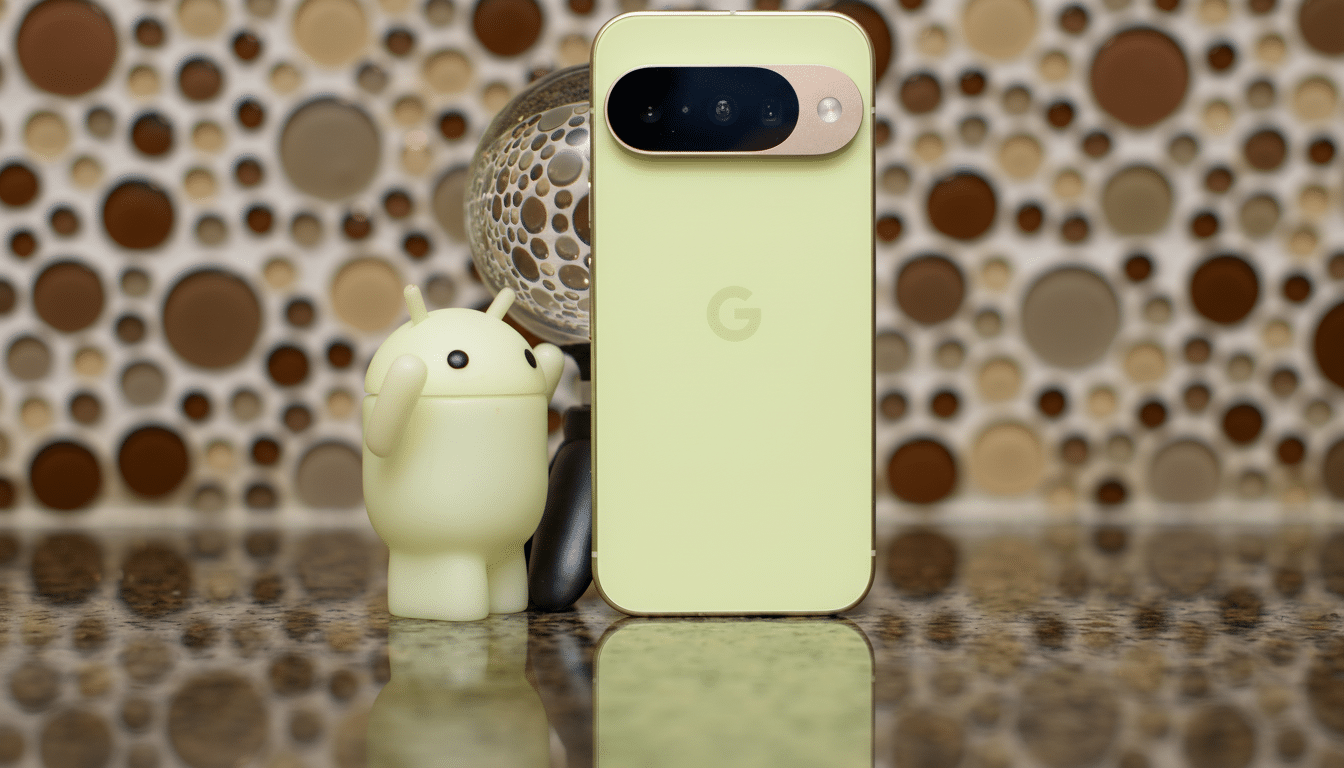
On the device side, the company’s ardently long-term approach to its AI stack has graduated from party trick to problem solver. Recorder transcripts, real-time transcription with speaker labels, contextual call screening, and editing tools that recognize scenes are now table stakes on Pixels. Google’s shift to leaner, faster on-device language and vision models cuts dependence on the cloud, shaves lag time, and ensures sensitive data stays close by — all the subtler kind of spit-shine that you appreciate around month three but won’t likely notice at minute one.
One of the attractions is longevity. Google’s stretched update policy — the longest in Android — makes a premium phone a safer long-term bet. That ties into broader customer trends: IDC says smartphone replacement cycles in developed markets are now over 40 months, and across such time you need multi-year support to make sure your device is resilient against battery-life demands.
Rivals Stumble on Iteration as Upgrades Slow Down
Meanwhile, the field is hesitating. Samsung’s next top-of-the-midrange update to the Galaxy, as multiple leaks and parts-channel notes suggest, sounds more like a rename than any kind of rethink: the usual suspects in terms of sensors, relatively conservative 25W wired speeds on non-Ultra models (more on that later), and a shuffling around of branding that doesn’t add up to progress. The hardware will be impressive, but it is difficult to imagine that the storyline will change much.
OnePlus has its own turbulence. The company made headlines by being one of the first to move with Qualcomm’s latest flagship silicon, but an end to its camera partnership and a drop in sensor size have dulled imaging gains. OxygenOS has also more closely resembled its ColorOS roots, deviating from the minimal, speedy identity it previously embodied. Toss in a commitment to update for less time than the leaders, and the value math gets more complicated.
The larger market backdrop is also working in Google’s favor. When consumers hold onto phones longer, iterative releases with thin year-on-year changes are unable to measure up for an upgrade.
AI That Really Works in Practical, Everyday Scenarios
Google’s edge isn’t that it shouts “AI” louder; it’s that its features function in boring but useful ways. I can see flight plans neatly summarized in Gmail. Photos can relight a face so it glows, and yet not turn the background into watercolor. Audio cleanup saves voice memos from a blustery sidewalk. These are the little victories that add up, and they’re the sort of wins that keep users within the ecosystem.
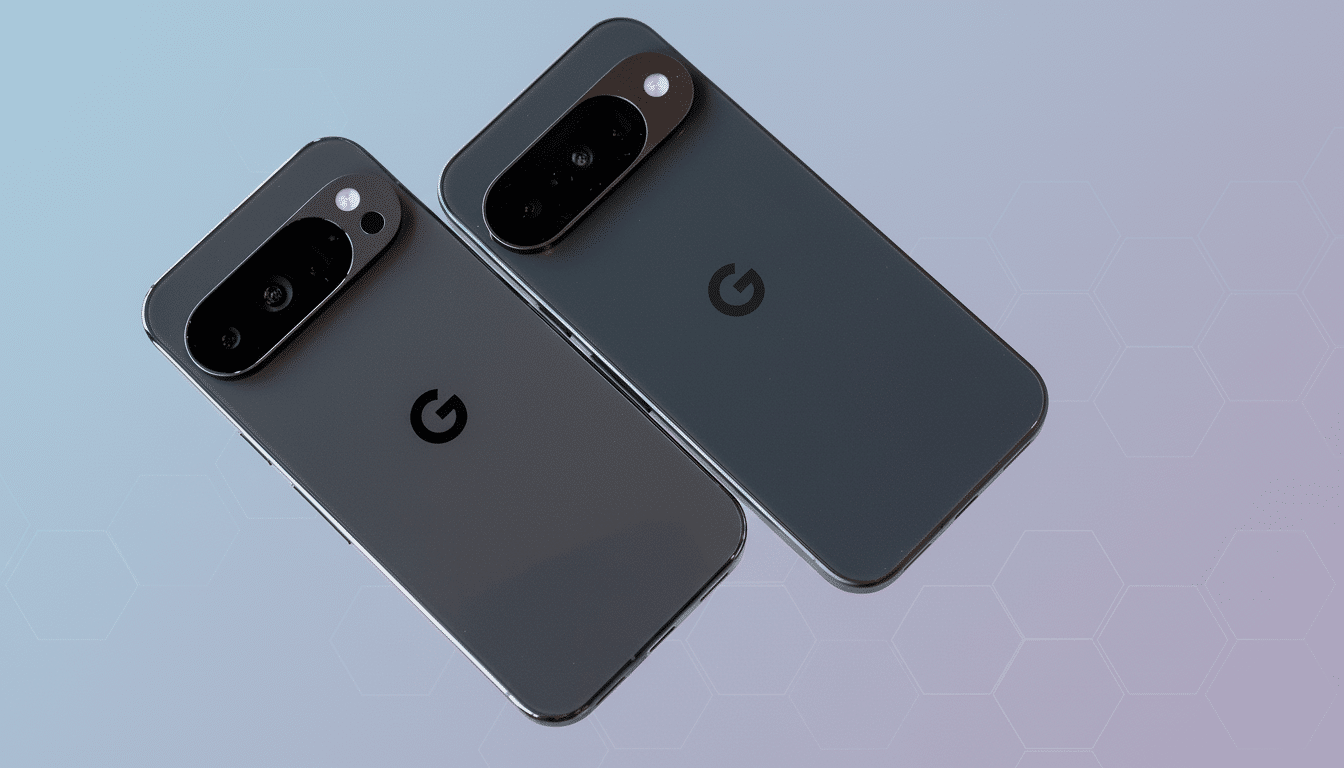
And crucially, much of this now runs on-device. That makes it more reliable on spotty connections and cuts down on round trips to the cloud. It’s a battery story, too: efficient NPUs and reduced models mean lower thermal throttling under consistent camera and maps usage — exactly the tasks where most flagships begin to perspire.
Hardware That Holds Up Through Years of Daily Demands
The Pixel 11 doesn’t require a moonshot to succeed; it needs to continue what’s already worked. Anticipate a battery noticeably bigger than that in most like-for-like direct rivals, snappy wired speeds, and ever-more support for the Qi2 magnetic standard from the Wireless Power Consortium to simplify charging accessories. The from-the-base-model telephoto, if there is one and it’s good, would mean Google’s introductory flagship still enjoys a unique versatility for the cost.
Performance will be a factor, but not in benchmark heroics. One thing Pixels have always been known for is responsiveness that doesn’t degrade over time: a launcher that remains fast after 2,000 photos, a camera that opens instantly even if the phone spent all day in your hand cranking through messaging threads Weta Workshop-style, and a heat profile such that frames aren’t dropped left and right in the middle of recording. According to Data.ai’s usage breakdowns, the average user is going to spend most of their time in social, camera, and communication apps — focusing on those realities will probably be more valuable than chasing peak scores.
What Google Still Has to Nail for a Complete Lineup
The wild card remains the foldable. They need a proper camera system, a thinner (or at least lighter) chassis, and slightly faster top-up speeds to complete the job after such a huge leap from the first generation to the most recent model. If Google pours energy into that space — while not starving the mainline Pixel — its lineup could own both the slab and foldable narratives.
Pricing and availability will also determine how decisive the win appears. With premium demand on the rise and component costs stabilizing, a stable launch price plus great availability across carriers would put that “best” in “bestseller.”
Bottom Line: Why Pixel 11 May Lead the Pack in 2026
If the competition plays it safe all over again, the Pixel 11 won’t have to be revolutionary to lead us into 2026 — it just needs to keep grinding away at unsexy things like tightening up software and polishing AI that saves you time, shipping hardware that leans on physics instead of puff.
The rest of the market is iterating. Google appears poised to finish the job.