


Google has nailed the look of its phones. The Pixel line’s playful colors, clean lines, and signature camera bar are modern classics. But as the Pixel 11 approaches, design polish isn’t the problem to solve. The problem is mass, thickness, thermals, and materials science — the unglamorous hardware fundamentals that decide whether a phone feels great in hand or like a burden at the end of a long day.
The Weight and Thickness Gap Pixel Must Address
Start with the numbers. The base Pixel 10 tips the scales at roughly 204g and measures about 8.6mm thick. That puts it meaningfully above many peer flagships, which often land below 190g and around or under the 8mm mark. Add a typical 30–50g case and you’re carrying the heft of a small battery bank in your pocket.
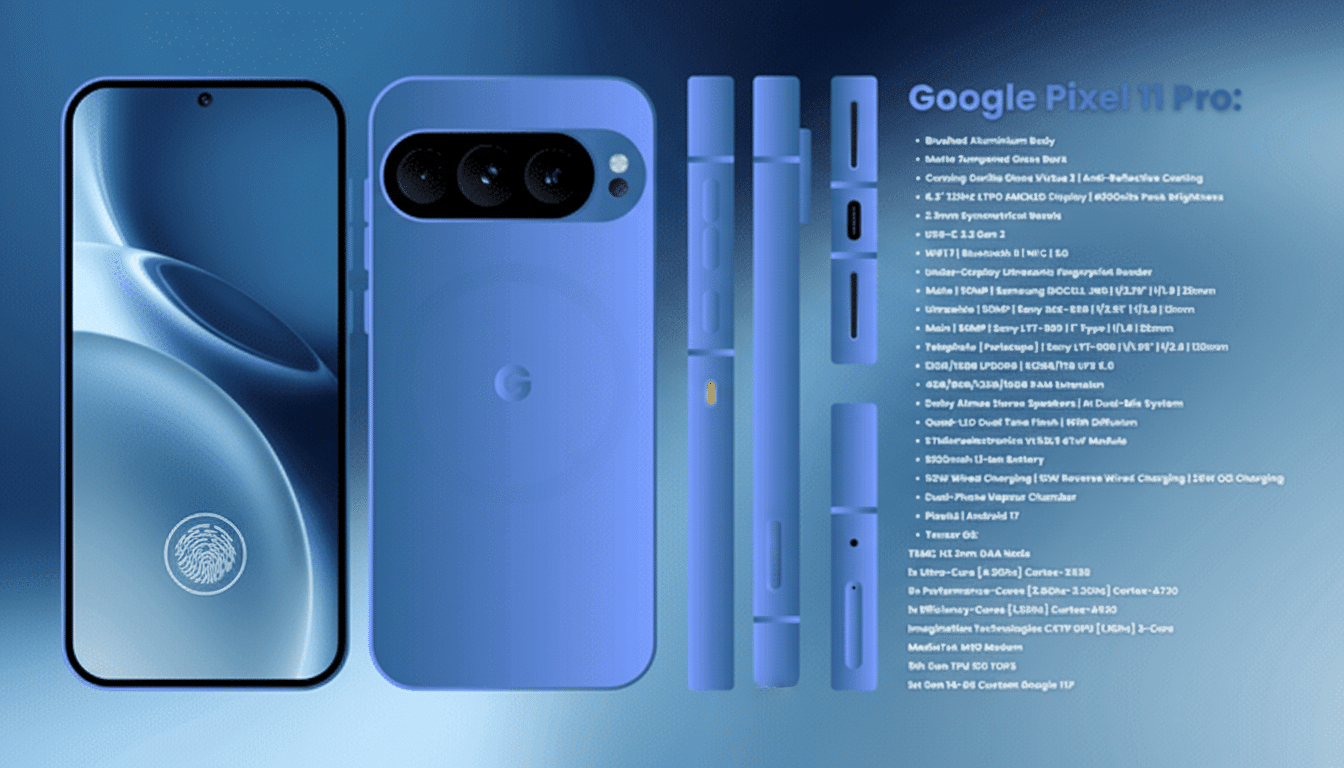
Some of that growth is due to new features. Qi2-aligned magnets (branded as Pixelsnap) bring a useful accessory ecosystem, but Apple and others have proven you can integrate magnet arrays without ballooning the chassis. The Wireless Power Consortium’s spec doesn’t mandate a thicker phone — it demands better engineering trade-offs.
Design Choices That Add Up to Extra Mass and Bulk
Google’s aluminum-and-glass recipe is timeless, but it’s also mature territory. Rivals have squeezed grams out of familiar materials through tighter tolerances, hybrid frames, and internal packaging tricks like stacked PCBs and denser batteries. Samsung’s use of anti-reflective Gorilla Armor glass and Apple’s Ceramic Shield families show what material partnerships can accomplish: reduced glare, higher scratch resistance, and often lower perceived weight thanks to improved balance.
The Pixel camera bar is iconic, yet it shifts weight high on the device and increases torsion when you grip from the bottom edge. Even a few grams moved inward or downward changes fatigue across hours of use. Ergonomics isn’t a vibe — it’s physics.

Usability And Reliability Over Aesthetics
Hardware refinement isn’t just a style contest. Lighter, thinner phones make accessories more practical, reduce wrist strain, and keep pockets bearable. They also tend to dissipate heat more predictably when internal layouts are efficient. Pixel fans know the pain points: early Tensor generations ran warm under sustained load, and cellular stability varied by region and modem. Independent testing from publications like PCMag has repeatedly shown differences in modem performance across chipsets and vendors — a reminder that radios, antennas, and thermal envelopes must be designed as a single system.
Repairability is another underappreciated vector of “hardware quality.” iFixit teardowns of multiple Pixel generations have praised clearer part labeling and parts availability but flagged adhesive choices and battery access as areas for continued improvement. A thinner, lighter design does not have to come at the expense of repair — it just requires forethought in how modules, pull tabs, and connectors are laid out.
What Pixel 11 Must Change to Feel Lighter and Cooler
- First, set measurable targets and say them out loud. Aim for a double-digit reduction in mass — 10–15% versus the base Pixel 10 — and a return to sub-8mm for at least one Pixel 11 variant without compromising battery life. When a company publishes goals, it rallies teams and signals to buyers that ergonomics matter.
- Second, modernize the internal stack. A tighter mainboard with more aggressive vertical integration, a slimmer vapor chamber tuned for sustained workloads, and a more compact haptic motor can liberate crucial volume. Revisit the camera bar: maintain the brand silhouette while redistributing weight toward the device’s centerline to cut torque in one-handed use.
- Third, deepen materials partnerships. Work with Corning on an anti-reflective, high-hardness cover glass tailored to Pixel’s optics and thermals. Explore a magnesium-aluminum alloy frame to shave grams without compromising rigidity. Offer at least one finish with grippier, micro-textured glass or a premium synthetic back that cuts weight while resisting wear — as we’ve seen from Motorola and OnePlus.
- Fourth, align silicon and radios with the chassis. Industry reporting from outlets like Nikkei Asia and The Information has tied future Tensor roadmaps to tighter custom design and advanced foundry nodes. If Pixel 11 benefits from a cooler, more efficient SoC and a stronger modem-antenna system, it should also benefit from a slimmer thermal solution and smaller RF shielding — savings that should be reinvested in ergonomics, not squandered on excess bulk.
- Finally, double down on durability and repair. Keep parts programs robust, reduce glue where feasible, and ensure battery pull tabs work even after a service cycle. A lighter phone can still feel tough if drop performance is modeled early and the mass distribution is smarter. Consumers will notice when a device looks fresh two years in because its glass resists scuffs and its edges don’t ding at the first bump.
Why Owning the Hardware Problem Now Matters for Pixel
Pixel wins hearts with software. Camera smarts, on-device AI, and clean UX are the brand’s superpowers. But in a premium market where most buyers compare devices on the sales floor, first impressions are tactile. If the Pixel 11 family arrives lighter, trimmer, cooler, and every bit as beautiful, Google instantly resets the narrative and turns strength in software into overall leadership.
The alternative is risk. Even with strong satisfaction scores and a loyal fan base, Pixels still sell into a landscape dominated by rivals. Counterpoint Research tracks the segment as unforgiving: aesthetics, comfort, and reliability move share. Admitting the hardware shortfalls — and outlining how Pixel 11 will fix them — would be the most Google thing possible: data-driven humility, followed by decisive engineering. That’s the path from “great idea” to “great phone.”