


If you already own a Pixel 8a, the newest A-series phone isn’t the slam-dunk upgrade many hoped for. The Pixel 10a adds polish and a few welcome perks, but the core experience lands close enough to the 8a that the smartest move for most people is to wait — or stretch for a higher tier.
What Actually Changed From Pixel 8a to Pixel 10a
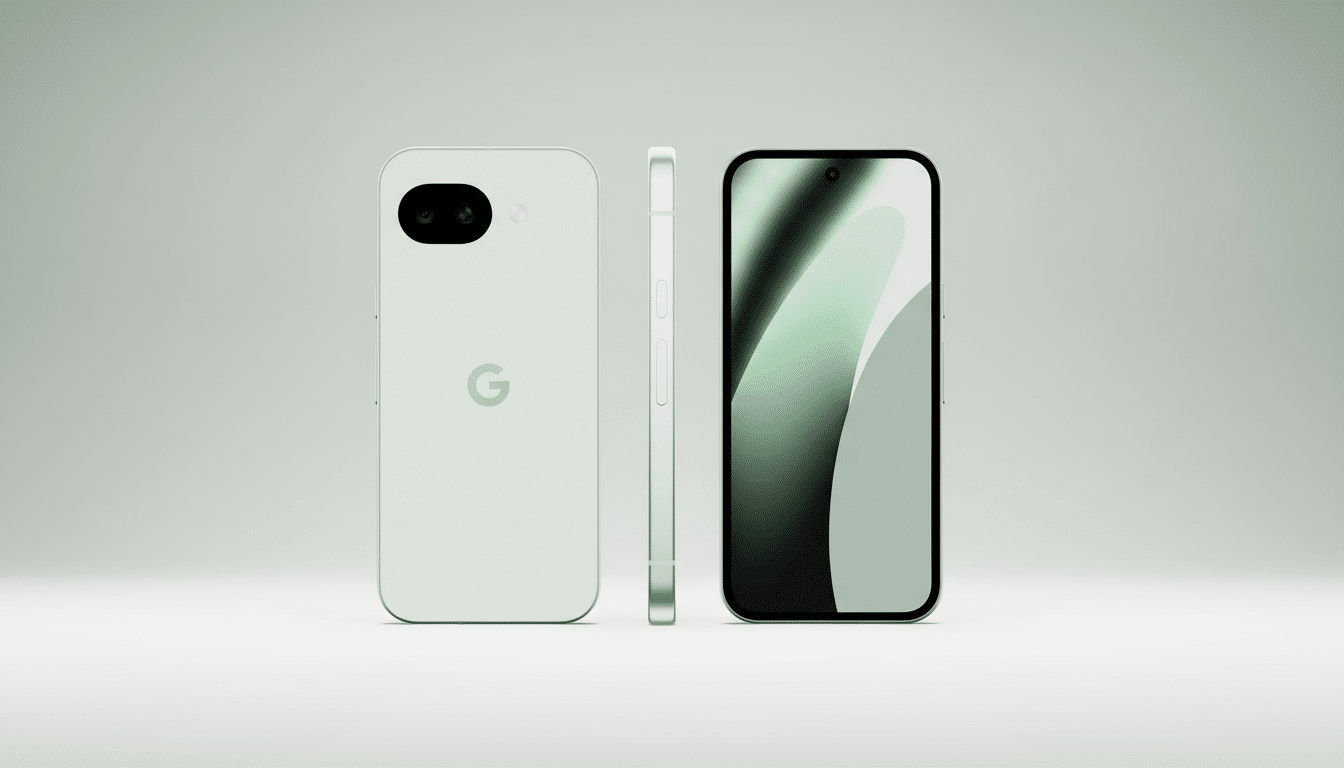
The Pixel 10a refines hardware in practical ways: a completely flat back that sits flush on a desk, a bigger battery, faster 30W wired charging, and newly added 10W wireless charging. The display is brighter and moves to a 6.3-inch 120Hz panel with tougher Gorilla Glass 7i. Google also folds in satellite SOS and expands its AI toolkit with features like Camera Coach and Add Me.
- What Actually Changed From Pixel 8a to Pixel 10a
- Performance Reality Check Comparing Tensor G3 vs G4
- Battery and Charging Gains in Real-World Context
- The Value Math Favors Staying Put for Pixel 8a Owners
- Who Should Upgrade to Pixel 10a and Why It Makes Sense
- Better Moves for Pixel 8a Owners Seeking Real Upgrades
- Bottom Line: When Upgrading from Pixel 8a Makes Sense
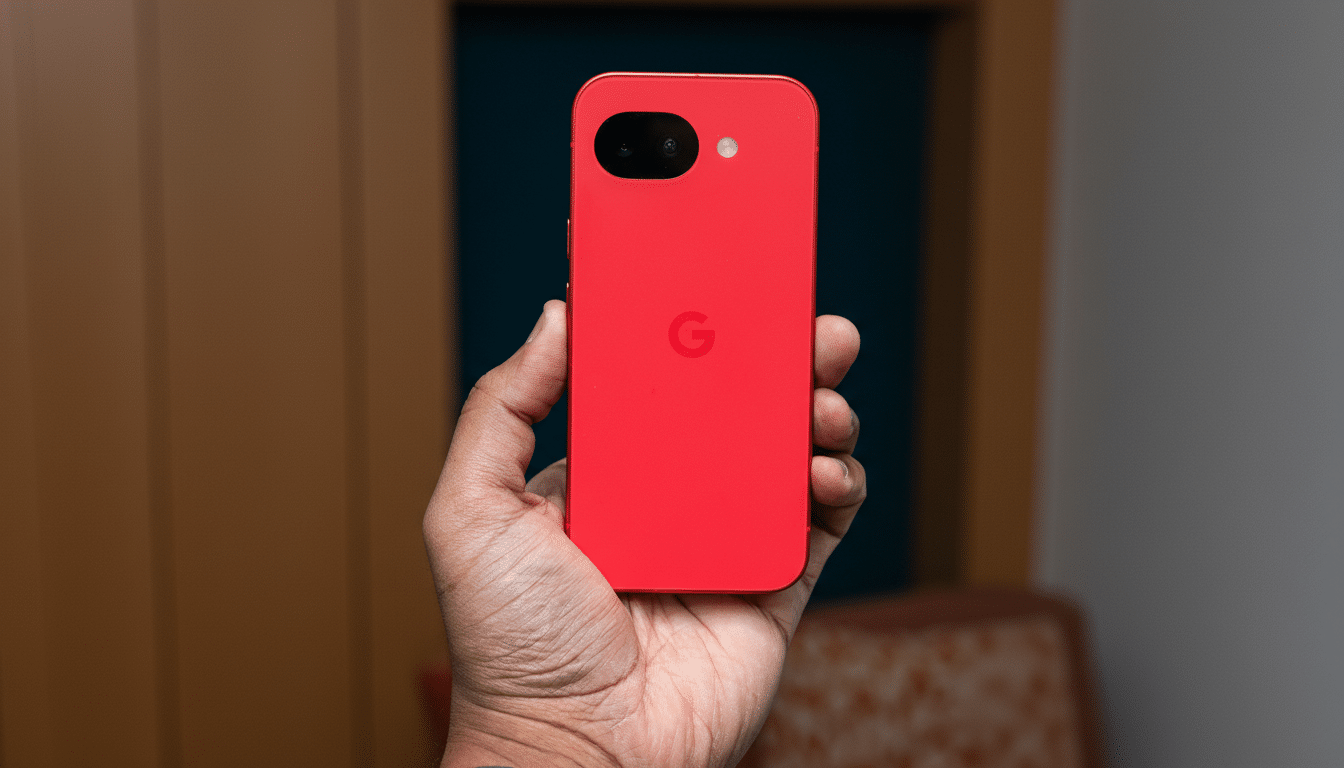
On paper, that’s a solid midrange package at $499. But owners of the 8a will notice how much remains the same. RAM and storage options are unchanged. The 8a’s 120Hz screen already hit around 2,000 nits peak, which was plenty for outdoor use. Both phones share Google’s promise of seven years of updates, so software longevity doesn’t tip the scales either.
Performance Reality Check Comparing Tensor G3 vs G4
The sticking point is the chip. The 10a uses Tensor G4 rather than the newer flagship silicon, and its day-to-day gains over the 8a’s Tensor G3 are modest at best. In practical terms — swiping through apps, snapping photos, using Assistant or on-device AI edits — the difference is hard to feel. Historically, Google’s A-series often mirrored the flagship line’s processor choice; this time, the gap is clearer, and that limits the “new phone” effect for 8a owners.
Compounding that, the 10a omits Qi2 magnetic wireless charging found on Google’s latest flagships. That single feature would have unlocked simpler alignment, faster accessories, and a stronger case for an upgrade. Without it, the 10a’s charging story is better, but not transformative.
Battery and Charging Gains in Real-World Context
The 10a’s battery grows by roughly 600mAh over the 8a — about a 12–15% bump depending on the 8a variant you compare it to. In the real world, that likely translates to an extra 45–90 minutes of screen-on time for mixed use. Combined with 30W wired and 10W wireless, it’s a meaningful quality-of-life lift for heavy users, but not the kind of upgrade most 8a owners will feel compelled to pay for mid-cycle.
The Value Math Favors Staying Put for Pixel 8a Owners
Most 8a buyers chose it for value, and the math still points that way. With around five years of promised updates left on the 8a, you’re far from the end of the line. Resale data doesn’t help the case either: industry trackers like SellCell have repeatedly shown iPhones retaining a higher share of their value than Android phones, with Pixels typically depreciating faster over 12–24 months. Trading an 8a now often nets a low payout, making the effective cost to move to a 10a uncomfortably high for what amounts to incremental gains.
Who Should Upgrade to Pixel 10a and Why It Makes Sense
The 10a is a clear win if you’re coming from a Pixel 7a or older budget Android. You’ll notice the brighter, smoother display, stronger battery life, improved durability, expanded safety features, and Google’s latest AI tools that simplify shots and edits. First-time buyers in the sub-$500 bracket will also find the 10a easy to recommend thanks to its camera reliability and long software support window.
Better Moves for Pixel 8a Owners Seeking Real Upgrades
If your 8a is still healthy, wait for a more decisive leap — either the next A-series cycle or a flagship discount. If you can nudge the budget by $100–$200, consider stepping up to the standard Pixel 10 for the newer Tensor platform, Qi2 magnetic charging, and extra camera and AI perks that meaningfully differentiate the experience. That kind of upgrade delivers clearer performance headroom and longer-term upside.
Bottom Line: When Upgrading from Pixel 8a Makes Sense
The Pixel 10a is a refined, thoughtfully equipped midranger, but its improvements land as quality-of-life tweaks rather than must-haves for Pixel 8a owners. Unless your current phone is failing or you’re handing it down, holding onto the 8a remains the smartest play — and if the itch to upgrade is real, aim higher for changes you’ll actually feel every day.