


Whispers around Google’s next budget phone are getting louder, and they all point in the same direction: the Pixel 10a could arrive weeks, even months, earlier than the usual spring window. Multiple well-known leakers have floated a mid-February retail debut, a sharp pivot from the A-series’ typical May cadence. If that timeline holds, it would mark a notable shift in Google’s product strategy—one with clear benefits for the broader Pixel roadmap.
Below are five compelling reasons an accelerated Pixel 10a launch makes strategic sense right now, supported by market dynamics, platform timing, and competitive pressure.
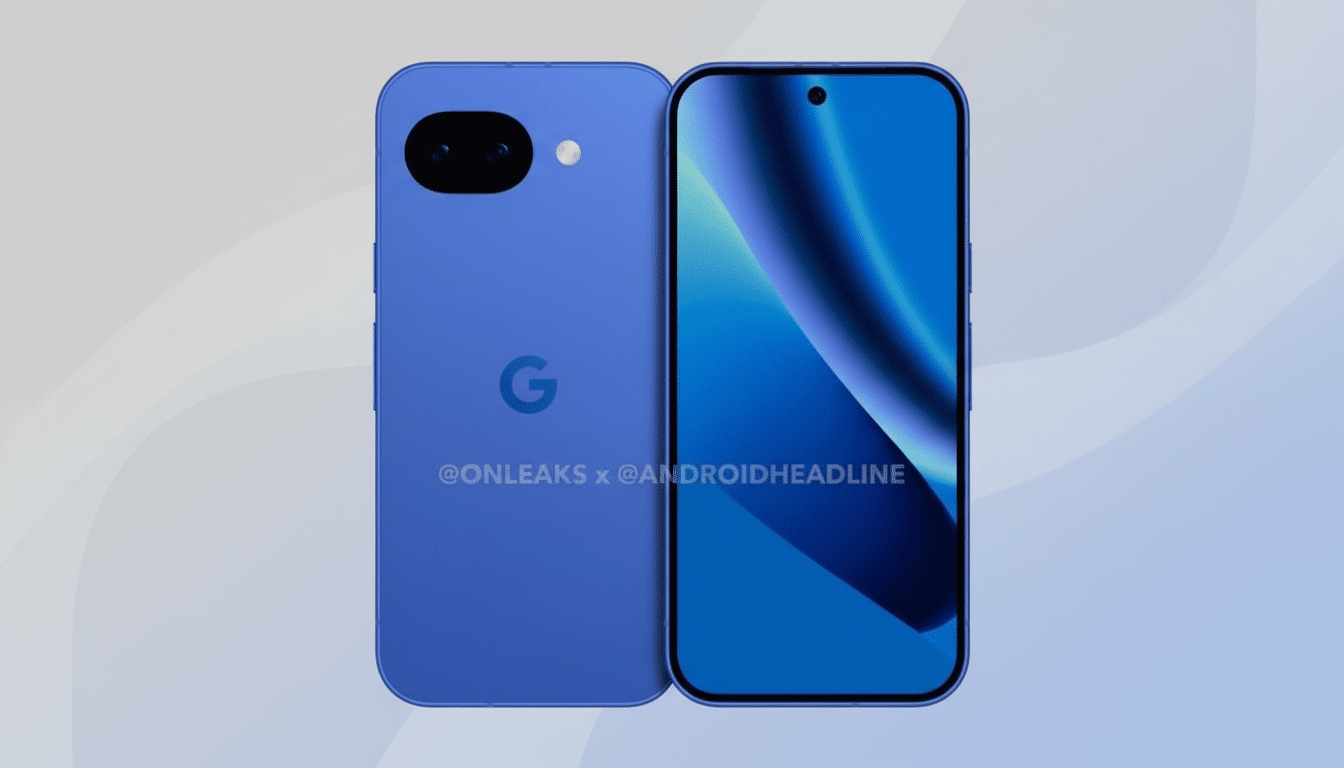
A Bigger Buffer Before Pixel 11 to Build Momentum
Google’s flagships have steadily moved earlier in the calendar, with recent mainline Pixels landing in late summer rather than the old October slot. That compression has squeezed the A-series, often leaving it too close to the premium launch to build sustained momentum.
A February Pixel 10a would restore breathing room—about six months if the next flagship follows the late-summer rhythm. That runway matters. Retailers want distinct marketing windows, carriers prefer fewer overlaps for promotions, and consumers get a clearer choice: value-focused Pixel now, premium Pixel later. This spacing also reduces the risk that the A-series is overshadowed just as it starts to gain traction.
Perfect Timing for Android 17 Previews and Release
Android’s annual cadence points to an early-year Developer Preview with a stable release in midyear, and a February 10a fits neatly into that arc. An earlier ship date gives the 10a a front-row seat in the Android 17 beta program and ensures day-one support when the stable build lands.
For Google, having a current, widely available midrange device in the preview cycle is invaluable. It broadens test coverage, helps developers validate apps on an accessible Pixel, and showcases Google’s promised long-term software support. If Google maintains its extended update policy across the lineup, shipping sooner simply increases the practical lifespan users can enjoy in real time.
Freeing Up the I/O Spotlight for AI and Platform News
Google I/O has increasingly centered on AI and platform features rather than phone launches. When the A-series lands in May, it inevitably competes for attention with developer news and ambitious AI demos. Moving the hardware earlier clears the keynote runway and reduces mixed messaging.
There’s also a practical lesson from last cycle. Industry reporting indicated the previous A-series slipped due to a component quality issue, blunting Google’s attempt at an earlier debut. A February release for the Pixel 10a would effectively complete that course correction, putting the calendar back where Google seems to want it.
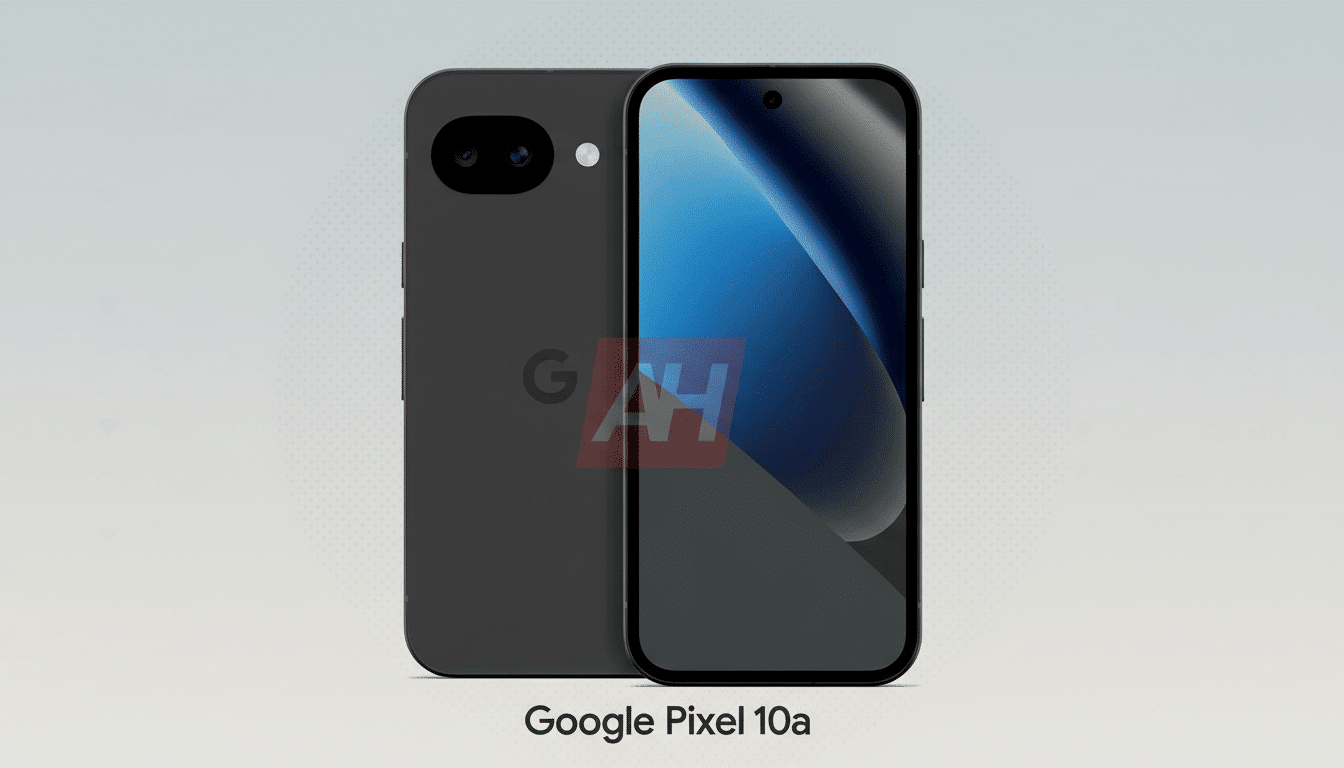
An Opening Against Samsung’s Q1 Galaxy Flagships
Samsung traditionally dominates the first quarter with its Galaxy S launch. If the Galaxy S26 family arrives in late February, a Pixel 10a dropping just before or alongside it gives Google a timely value-oriented counterprogramming play.
Counterpoint Research has repeatedly noted the resilience of midrange phones when consumers become price sensitive. If flagship prices tick up again while year-over-year spec gains stay incremental, a capable, aggressively priced Pixel 10a becomes an easy recommendation—especially as carriers and retailers fuel early-year promos in North America and Europe. Tax refund season in the U.S. and new plan incentives across markets only amplify that effect.
Supply Chain and Channel Momentum Early in the Year
An earlier A-series is easier to execute when the phone reuses core silicon and camera pipelines proven in the prior generation. That approach simplifies validation, streamlines carrier certification, and reduces risk—key factors if Google wants inventory on shelves by February.
Regulatory listings and retail databases typically start surfacing weeks ahead of launches once hardware locks. If those signals are already aligning, it suggests Google’s supply chain is ahead of last year’s pace. IDC has documented persistent Q1 softness in overall smartphone shipments versus Q4, but budget and midrange models often punch above their weight in that window as upgrade-hesitant buyers look for maximum value. Getting the 10a into channels early lets Google capture that demand instead of ceding it to rivals.
Put together, the business case is straightforward:
- More distance from the flagship
- Tighter integration with Android 17
- A cleaner I/O story
- A timely response to Samsung’s marketing blitz
- A lower-risk manufacturing plan
If the rumors are right, a February Pixel 10a isn’t just plausible—it’s strategically tidy.