


I’ve loved Pixel phones for years because they make everyday tasks feel smarter than the spec sheet suggests. That’s exactly why the latest Pixel 10a leaks worry me. If the rumors hold, Google’s next budget Pixel may stick with 8GB of RAM — a choice that could blunt the very AI magic the company now builds its brand around.
The AI Promise Needs More Headroom on Budget Pixels
Google’s pitch is simple: Pixels are AI-first phones. From on-device summaries to smart calling tools and context-aware screenshots, the best Pixel tricks increasingly rely on running models locally and keeping multiple intelligent services alive in the background.
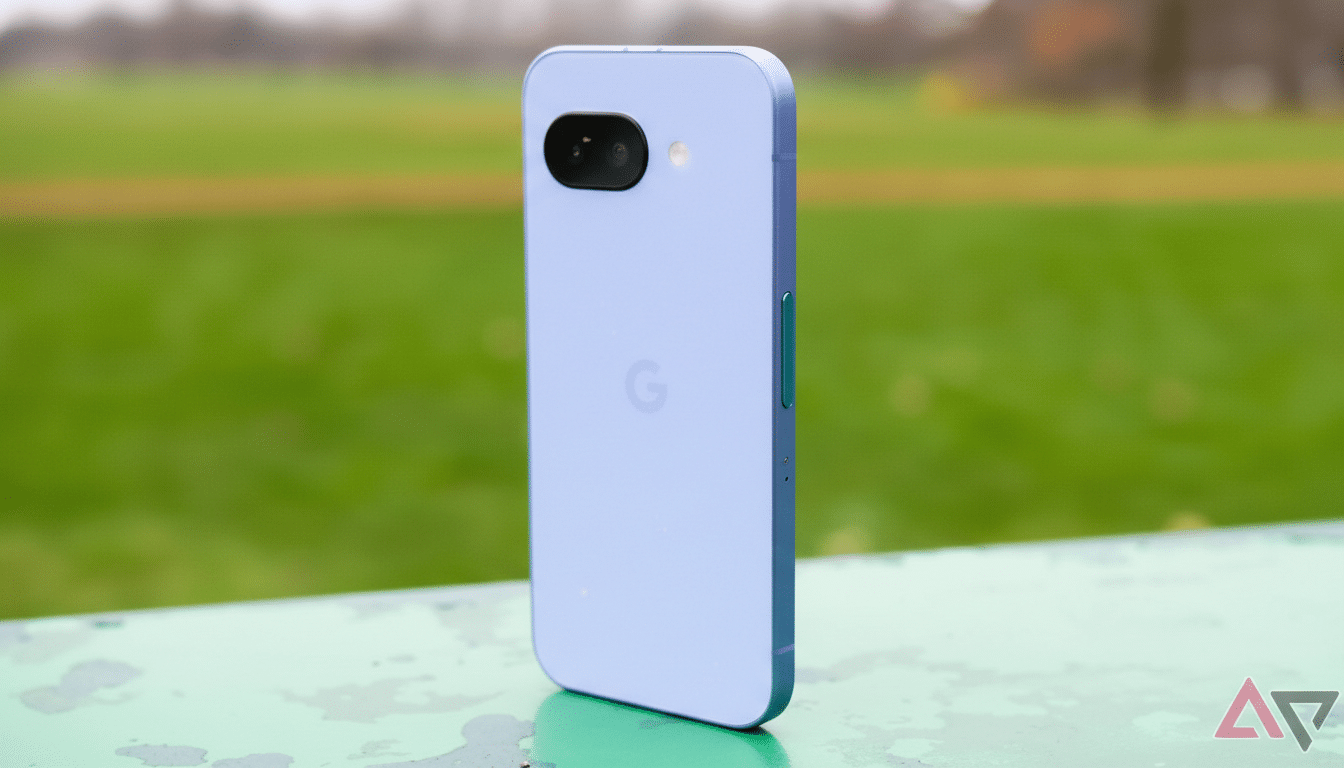
That’s where memory matters. On-device models demand sizable, sustained RAM, especially when you layer them with the camera, messaging, and system processes. We’ve already seen the consequences on the Pixel 9a, which launched without features like Pixel Screenshots, Call Notes, and AI Notification Summaries that appeared on higher-memory Pixels. The result wasn’t a slower phone — it was a less “Pixel” phone.
Real-world example: on a flagship Pixel, grabbing a screenshot of a concert ticket instantly surfaces an action to add it to Wallet. Call Notes quietly preserves details you’ll actually need later. These are small moments that define the experience, and they’re exactly the features more likely to get trimmed when RAM is tight.
What Leaks Suggest About the Pixel 10a Update
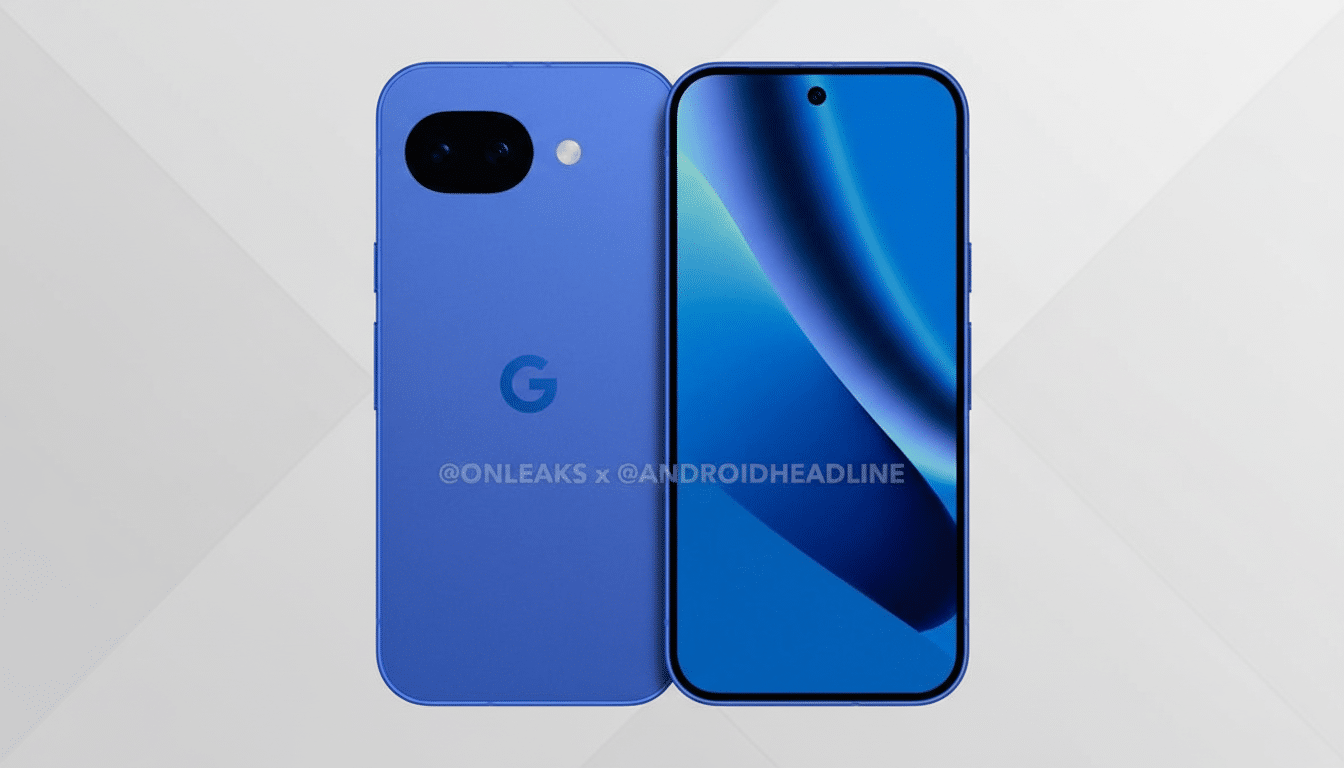
Multiple leaks point to a conservative 10a update: modestly slimmer bezels, the familiar design language, and the same Tensor G4 silicon as the 9a. Reporting from Android Headlines and supply chain chatter indicates 8GB of RAM again, with no clear sign of a higher-memory variant. If true, that likely forces Google to stick with its lighter on-device AI model configuration — the kind that already limited features on the 9a.
That’s not a trivial compromise, because AI features tend to get heavier over time. As Google rolls out new capabilities to the Pixel lineup, devices with tighter memory ceilings are the first to be left behind. A budget Pixel should be about longevity and value; software attrition undermines both.
Why 8GB of RAM Feels Out of Step in the Midrange
In the midrange, 8GB used to be “plenty.” Today it’s the minimum. Rivals increasingly ship 12GB options: Nothing’s Phone 2a has a 12GB configuration, and Poco’s F-series regularly offers 12GB in similar price bands. Extra headroom helps keep AI features resident in memory, reduces app reloads, and preserves responsiveness as system frameworks evolve.
Technically, it’s not just capacity; it’s consistency. On-device models can occupy multiple gigabytes when loaded. Add the camera stack, Chrome, messaging, and system services, and an 8GB device starts juggling memory more aggressively — which is when background AI is first to get suspended or withheld.
The Cost Argument Isn’t the Whole Story for RAM
Yes, memory costs have climbed. TrendForce has tracked double-digit DRAM price increases across recent quarters, with some contract prices rising roughly 10–20%. That pressures every bill of materials, especially in budget phones.
But memory isn’t the most expensive line item. Industry teardowns consistently show displays, camera sensors, and connectivity driving large chunks of cost. If Google is reusing the chipset and much of the hardware stack, allocating budget to 12GB of RAM would meaningfully improve user experience without redefining the product. For an AI-first phone, it’s arguably the single most impactful spec to upgrade.
What Would Reassure Pixel Fans About the 10a
A 12GB variant would immediately calm nerves, even at a modest premium. Short of that, Google could offer clarity: a published feature roadmap that guarantees parity for core AI tools across the Pixel 10a’s support window, plus a transparent explanation of how on-device and cloud processing will work when RAM gets tight.
There are also pragmatic optimizations. Prefetching smaller model components only when needed, smarter memory reservation for the camera and voice services, and giving users the option to prioritize on-device AI over background app retention would all help. But none of these are as straightforward — or as future-proof — as simply giving the phone more RAM.
The Bottom Line on Pixel 10a RAM and AI Features
The Pixel 10a doesn’t need a flashy redesign to succeed. It needs to keep the promise that made the a-series special: Pixel software without the caveats. If 8GB remains the ceiling, the 10a risks launching already behind the curve of Google’s own AI ambitions — and that’s the one concern that overshadows everything else I love about these phones.