


Google’s newest budget phone arrives with a familiar heart: the Tensor G4. That choice instantly raises a two-part question for buyers. Is last year’s flagship silicon still a smart fit for a $499 device, and where will you actually feel the compromises? The short answer is that the G4 remains a strong match for mainstream needs, but there are clear scenarios where the newer Tensor G5 pulls ahead.
Why an Older Tensor Still Makes Sense for the Pixel 10a
The Tensor G4 was built on a mature 4nm process and tuned for the kind of tasks Pixel owners hit dozens of times a day: camera capture, voice features, translation, and Assistant-driven tools. In those lanes, the chip still feels quick. Launching the camera, stitching HDR, or cleaning up audio happens at near-flagship speeds because Google’s pipelines lean on the G4’s dedicated imaging and AI blocks as much as its CPU and GPU.
- Why an Older Tensor Still Makes Sense for the Pixel 10a
- Where the Performance Gap Between G4 and G5 Shows
- Real-World Speed Checks in Everyday Phone Use
- AI and Camera Reality on the Pixel 10a Today
- Maturity versus the Bleeding Edge: Stability and Polish
- Longevity and Support for Updates Over Seven Years
- Value Math for Buyers Considering Pixel 10a Pricing
- Bottom Line: Why the Pixel 10a’s Tensor G4 Is Enough for Most
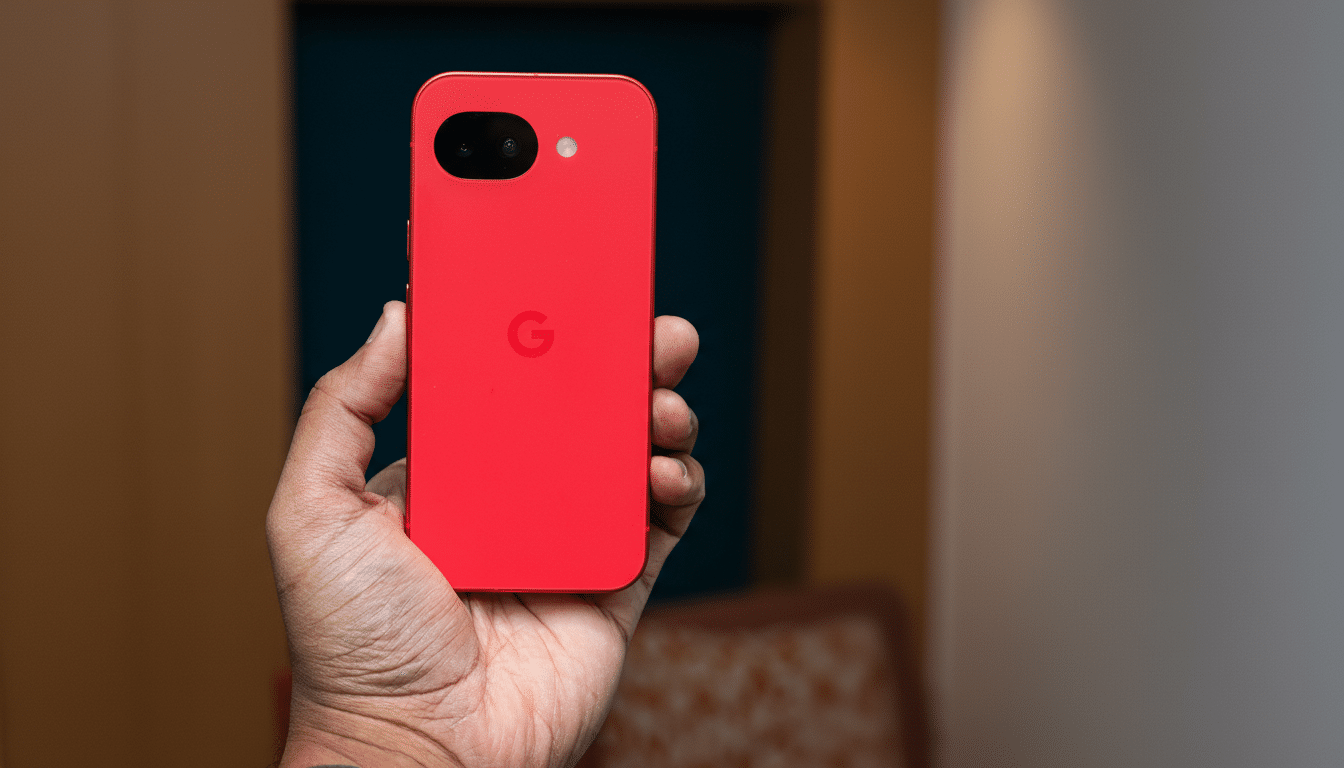
Synthetic scores seldom tell the full story. Benchmarks push chips to sustained extremes you rarely hit while doomscrolling or snapping photos. Independent testing over the past year has consistently shown that the G4 lands well above typical midrange silicon in bursty tasks and day-to-day responsiveness. In practical terms, the Pixel 10a’s performance ceiling sits closer to yesterday’s premium tier than today’s bargain shelf.
Stability also matters. After a year in the wild, the G4’s thermals, drivers, and app compatibility are known quantities. Gamers may not max out every setting, but common titles run smoothly at 1080p with sensible presets, and frame pacing is predictably solid. That reliability can be worth more than chasing an extra 5–10 fps you’ll rarely notice on a phone screen.
Where the Performance Gap Between G4 and G5 Shows
The G5’s advantages are real. Built on a smaller 3nm node with a newer AI accelerator, the latest Tensor can be up to 35% faster in heavy, sustained loads. You feel that headroom when batch-editing 4K video, running console-grade emulators, or juggling multiple demanding apps. Sustained workloads also tend to favor the G5’s efficiency; a smaller process generally means less heat at the same performance level.
There’s a future-proofing angle, too. As on-device AI models grow, the G5’s newer TPU pulls ahead on larger or more complex tasks, trimming inference times and helping keep experiences snappy several years out. The G4 supports the same marquee features today, but with slightly longer waits for the heaviest lifts.
Real-World Speed Checks in Everyday Phone Use
Open your most-used apps, scroll social feeds, or hop through a dozen browser tabs, and you’d be hard-pressed to spot a consistent difference between G4 and G5 without a stopwatch. Gains show up at the edges: app installs, big game loads, large photo exports, and compute-heavy filters. Even then, we’re usually talking fractions of a second per task, not night-and-day leaps.
It helps to remember how most people actually use phones. Ericsson’s Mobility Report notes that video dominates mobile data traffic, routinely near 70%. Rendering streamed video or short-form clips is mostly a network and decoder exercise, not a CPU shootout. That’s why the G4’s “fast enough, consistently” character still plays well in the mainstream.
AI and Camera Reality on the Pixel 10a Today
The Pixel 10a inherits Google’s headline AI tricks, from Summarize to on-device transcription and smart photo edits. On the G4, these features run with the same quality and nearly the same tempo because they’re optimized for Tensor-class hardware and, when needed, fall back to the cloud. For the camera, Google’s computational pipeline continues to do the heavy lifting, and that pipeline was built and proven on the G4 generation.
Where the G5 can stretch its legs is in bigger local models or multi-step edits that chain effects together. MLCommons’ mobile benchmarks routinely show gen-to-gen inference improvements that shave tens of milliseconds per operation; stack enough operations and you notice it. On the 10a, you’ll still get the feature, just with an extra beat on the progress bar during heavy edits.
Maturity versus the Bleeding Edge: Stability and Polish
There’s another, quieter upside to sticking with an established chip: hiccups are rarer. New GPU architectures and drivers can deliver big leaps in synthetic tests but sometimes stumble at launch with emulation quirks or game compatibility. Early G5 experiences reflected some of those growing pains before subsequent driver updates tightened things up. The G4, by contrast, is already past that shakedown period.
Longevity and Support for Updates Over Seven Years
Seven years of updates is the promise. The G5’s extra headroom may age more gracefully, but the G4 should comfortably handle the cadence of security patches and feature drops Google typically ships. Performance longevity isn’t just about the CPU, either; storage speed, memory bandwidth, and thermal design shape how a phone feels in year five as much as raw compute.
Value Math for Buyers Considering Pixel 10a Pricing
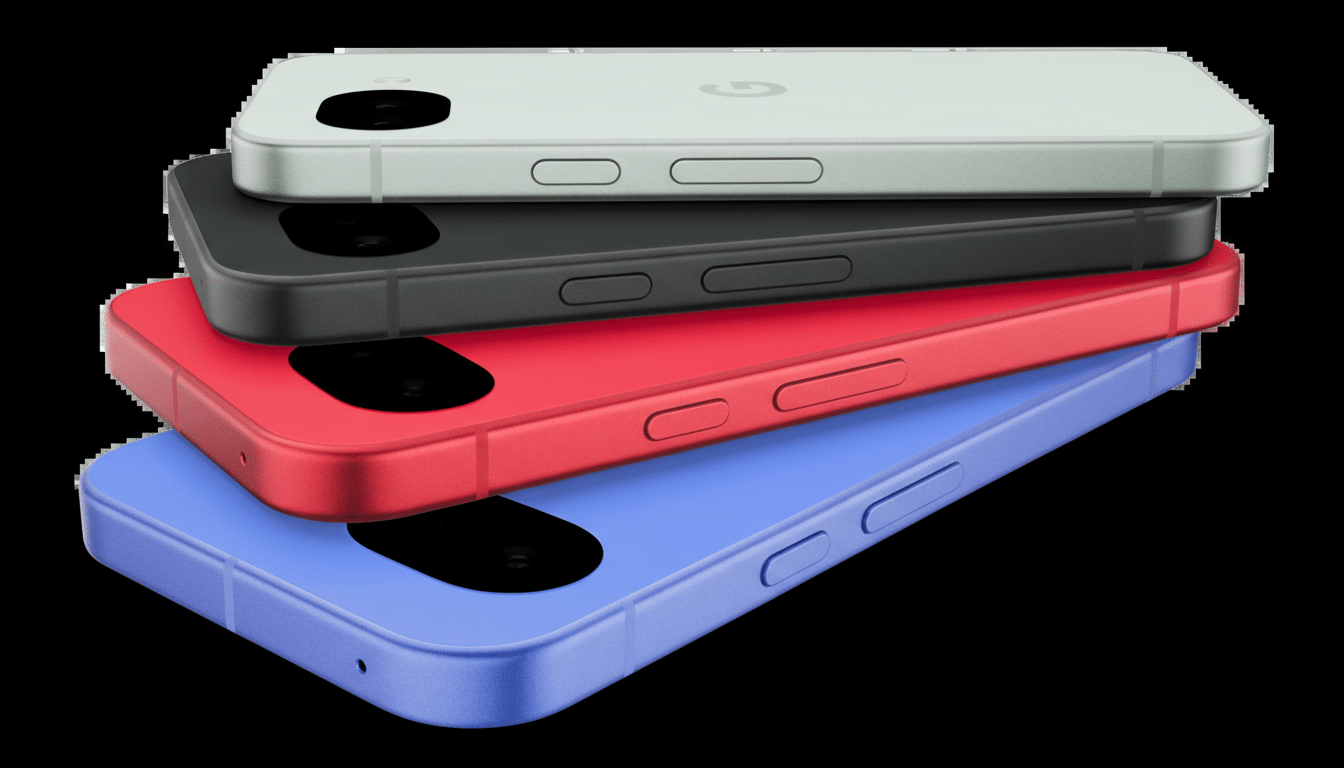
At $499, the Pixel 10a’s proposition starts with the G4 being more than fast enough and broadens with practical upgrades: a brighter 120Hz 6.3-inch display, tougher glass, satellite SOS, 10W wireless charging, and Google’s long-term software roadmap. If your workload lives in messaging, photos, travel, streaming, maps, and the occasional game, the older Tensor fits like a glove.
If you want the best sustained performance, dabble in heavyweight video, or rely on advanced emulation, the G5-based Pixels justify their premium. And if last year’s models drop steeply in price, the calculus changes again. As Counterpoint Research often notes, midrange buyers reward balanced packages over peak numbers.
Bottom Line: Why the Pixel 10a’s Tensor G4 Is Enough for Most
The Pixel 10a’s older processor is the right choice for most people most of the time, delivering stable, near-flagship experiences where it counts. It isn’t the right choice if you live at the edges of mobile performance or want maximum future-proofing for heavy local AI. For a mainstream phone at a mainstream price, though, the Tensor G4 still earns its spot.