


I spent weeks shooting through city streets, dim jazz clubs, football games and charts for the studio with 24 flagships and mid-rangers. One gadget, again and again, did the job with less fuss than any other — and it’s also the most versatile of all: Google’s Pixel 10 Pro XL.
It’s not just about megapixels anymore. The best camera phone merges dependable autofocus, excellent dynamic range, life-like color and strong low-light joined with zoom that doesn’t come apart at the seams. The Pixel 10 Pro XL produced the most consistent point-and-shoot output and the best quality computational zoom I’ve gotten hands-on with this year, beating excellent smartphone opponents from Xiaomi, Apple, vivo, Samsung and others.
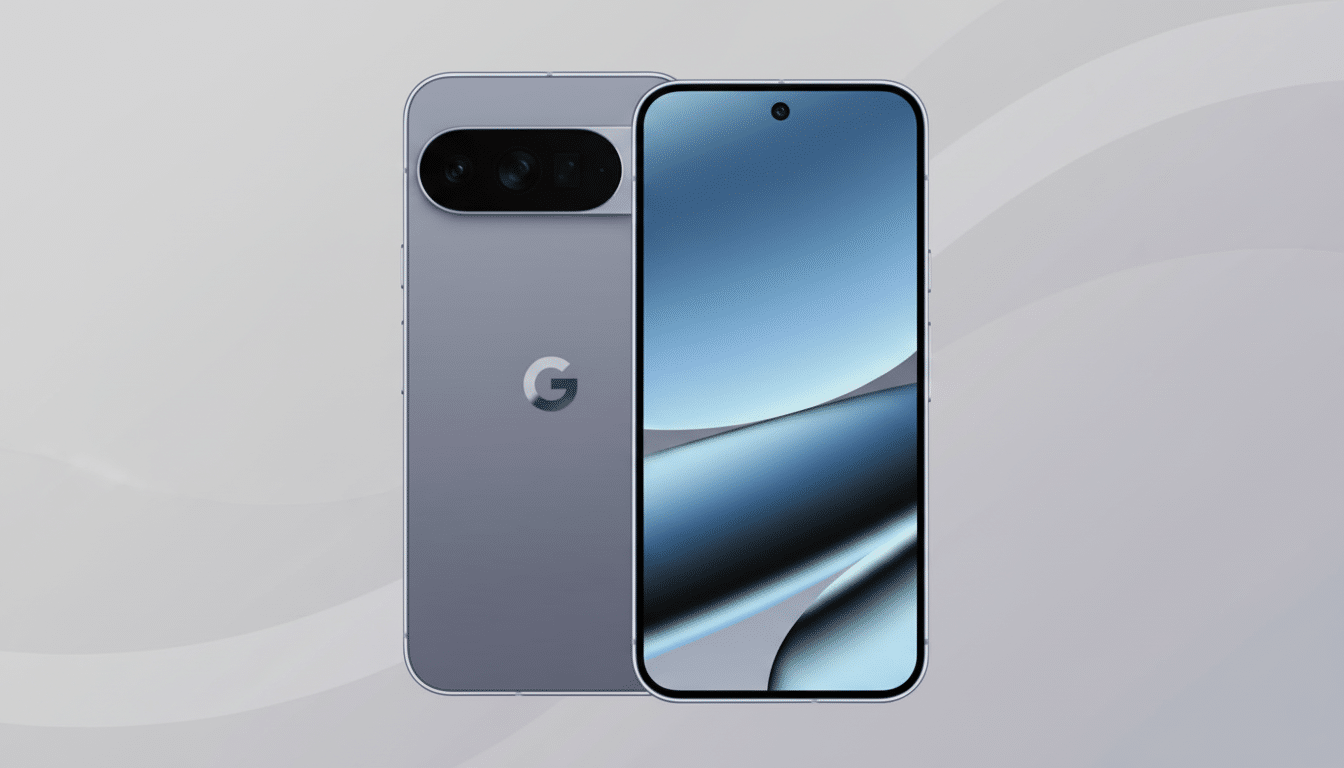
Why the Pixel 10 Pro XL Wins in Real-World Testing
The headline is consistency. The 50MP main camera combines a big sensor with tweaked processing that blends texture and noise without crushing the shadows. Highlights don’t get out of hand even when there’s brutal backlight, and skin tones look natural color-wise across an incredibly diverse range of complex lighting. When speed is of the essence, the autofocus locks and tracks so nimbly that fleeting moments — soaked, muddied kids or pets, competitive sports — become keepers.
The supporting cast matters, too. A 48MP ultrawide keeps the edges sharp and the distortion in check, and a 48MP 5x periscope is right on target at its native focal length. Google’s new AI-powered Super Res Zoom takes detail way beyond 5x in a way that feels more like lensing and less like your garden‑variety digital crop. Factor in all the computational photography going on as you shoot, and, finally, the Pixel’s 10x images are causing rivals at similar or even greater optical lengths to take second place, repeatedly.
On the other hand, the Pixel’s camera app stays out of your way until you want its extra features. Long exposure and astrophotography modes, as well as motion modes, are useful and refined. With everyday photography you’ll get the shot quickly, with true color and a pleasant amount of contrast that passes on social media without needing extensive editing.
How I Tested Camera Phones Across Real-World Scenes
I assessed six pillars: exposure and HDR, autofocus confidence, detail against noise, portrait rendering, video stabilization, and tone. I shot controlled scenes to compare dynamic range and color, but I also brought them along for real‑world stress tests — indoor arenas, neon‑lit streets, harsh midday sun, and low‑light portraits. I also looked at shutter lag, shot‑to‑shot interval, and how footage looks after uploading to social apps, one of many bugbears shared by Android and iOS.
I deferred to lab‑tuned scores from places like DXOMARK and consulted techniques employed by independent blind testers known for testing cameras in a blinded state, all so that my scores would better reflect what people genuinely want. The aim: reward cameras that produce great pictures without too much fuss and still offer plenty of depth for enthusiasts.
Best alternatives by scenario for different needs
- Xiaomi 15 Ultra Best Premium: If image-making is your obsession, this phone is seductive. The sumptuous depth and micro-contrast of the 1-inch 50MP primary at f/1.63; the portraitist’s dream of a razor-sharp, low chroma rendition from the 50MP 3x (70mm); and that periscope length if you ever need reach over what you think you’d get away with yet still enough headroom to remain clean, in this case a near‑nonsensical 200MP 4.3x (100mm). Videographers receive 4K/60 and 8K/30 on all lenses and 120fps options on mainline cameras. Color profiles and filters are tasteful rather than gimmicky — perfect for creative continuity.
- Google Pixel 9a Best Value: A bright f/1.7 lens and 48MP image sensor yield best-in-class point-and-shoot photos under $500. Macro mode is genuinely useful, 2x crops look believable and 4K60 video at this price is rare. You lose long telephoto reach and a high-end ultrawide, but the main camera is so dependable that you won’t find yourself missing them.
- vivo X300 Pro Best Zoom: There’s an 85mm equivalent f/2.7 periscope on top of the big 200MP 1/1.4‑inch sensor, and overall it delivers detailed yet very tight optical shots at 3.7x and unexpectedly crisp 10x snaps. It’s also a great little macro at near distance. An available 200mm accessory lens further extends reach; quality lags in dim light, but outcomes are plenty strong on sunny days and good for wildlife and airshows.
- OnePlus 13 Best Selfies: 32MP front camera with an HDR feature can keep your face clear in difficult backlight and preserve fine details in low light. Portrait rendition from the rear system is flattering with attractive falloff, and the 3x telephoto produces surprising long-range competence. It’s a flexible rig with quick setup and easy, intuitive controls.
- Apple iPhone 17 Pro Best Video: The three‑lens (wide, ultrawide, 100mm periscope) system brings robust stabilization that delivers seamless footage across lenses. ProRes and 4K Dolby Vision at high frame rates let a real pro workflow shine, and recording RAW video to an external drive via USB‑C is a creator‑friendly bonus. It’s not all about resolution though; Apple’s tone mapping, autofocus and rolling‑shutter control will produce consistently cinematic output.
Strong contenders who deserve a serious look today
Samsung Galaxy S25 Ultra offers a versatile quad setup with long-reaching telephoto that’s great for travel and events as well as good stabilization in challenging conditions. Sony’s Xperia 1 VII is designed for filmmakers with ultra-fine manual control, an on-screen meter and built-in audio capabilities. OPPO’s Find X9 Pro relies on refined color science and a strong telephoto, while the Nothing Phone 3a Pro throws in something of an unusual treat: 3x optical zoom at budget pricing. Prefer a smaller body? The regular Pixel 10 Pro shares the XL’s excellent camera capabilities, in a slightly smaller device.
Buying advice for camera‑first shoppers in 2025
Choose your focal lengths based on what you’re shooting the most:
- 0.5x for landscapes and interiors
- 2–3x for normal portraits
- 5x+ for stage and wildlife
(Larger sensor on main or telephoto after dark; strong in‑phone stabilization more than headline resolution for video.) Last but not least, judge color and HDR based on the out‑of‑camera look you like — heavy editing is never too enjoyable on a phone.
Bottom line: the Pixel 10 Pro XL provides the best blend of consistent results, creative modulation and computational zoom in 2025. If you seek the surest shot in any light with little to no tweaking, this is the camera phone to beat.