


Google’s Pixel 10 could soon push its Magic Cue assistant beyond simple suggestions, with evidence pointing to deep ties into Google Wallet and Google Tasks. A developer-led settings dive surfaced new toggles that hint at live travel and event updates pulled from Wallet, plus cleaner, more actionable reminders via Tasks—changes that would make Magic Cue far more proactive and genuinely useful in the moments that matter.
Hidden Toggles Point To Bigger Ambitions
Independent developer Kieron Quinn, sharing findings on Telegram, uncovered dormant Magic Cue settings for Google Wallet and Google Tasks. Today, Magic Cue lets users choose which apps it can reference when crafting context-aware prompts. Adding Wallet and Tasks to that list signals a shift from extracting info primarily from email or Calendar toward tapping live, structured sources that carry real-time state.
- Hidden Toggles Point To Bigger Ambitions
- Why Google Wallet Integration Really Matters
- Tasks Could Make Reminders More Actionable
- Shifting From Reactive Suggestions To Real Time
- Privacy And Control Remain Central To Trust
- What We Still Don’t Know About Magic Cue Plans
- Bottom Line: Magic Cue’s Path To Timely Assistance
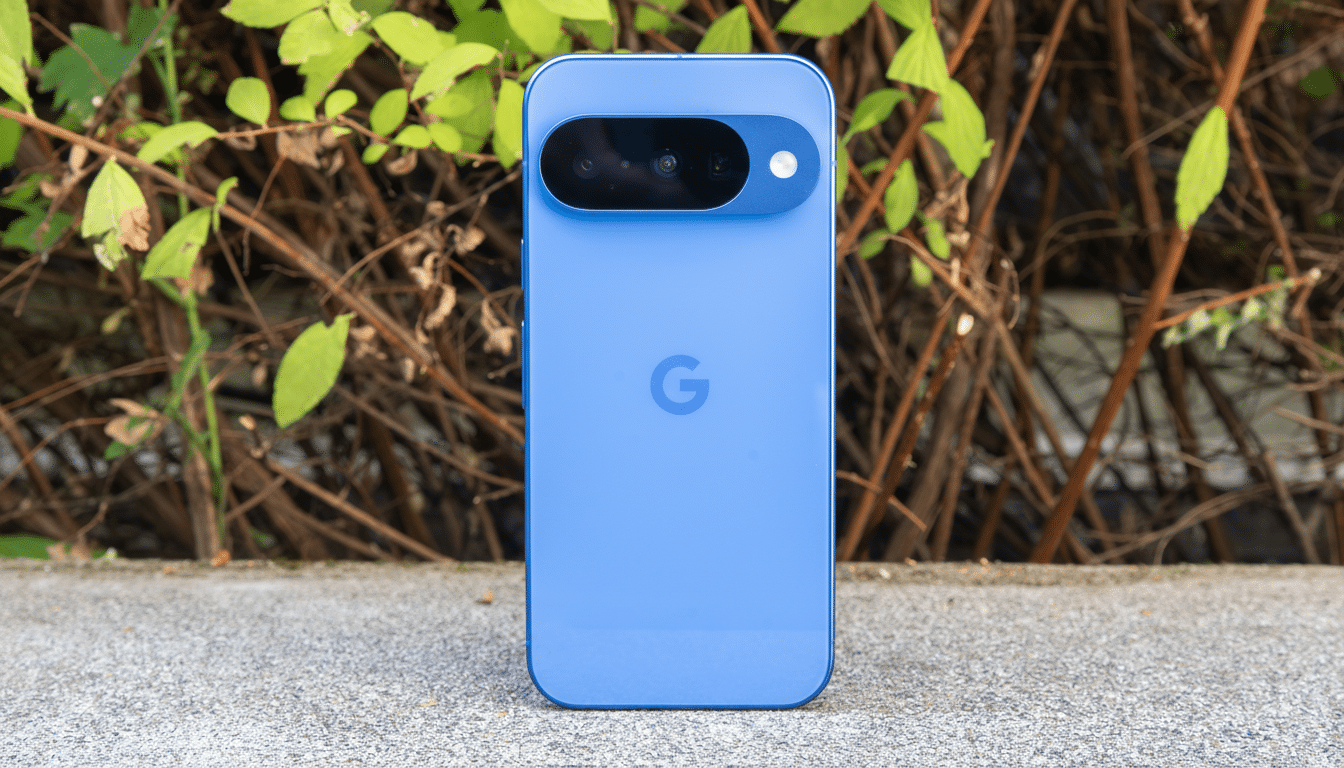
In practical terms, that means Magic Cue could evolve from a helpful overlay into an assistant that knows when a train is delayed, which gate a flight just switched to, or when a ticket’s barcode is ready to scan—without making you dig through inboxes or apps.
Why Google Wallet Integration Really Matters
Google Wallet already supports live status for certain passes. For example, train tickets saved in supported regions can display On Time or Delayed data, including integrations with Indian Railways and VIA Rail in Canada. Today, Magic Cue can infer travel plans from Gmail, but it can’t deliver official, real-time updates. Letting Magic Cue read live signals from Wallet would close that gap and reduce the lag and inaccuracies that come from relying on parsed emails.
Imagine landing and immediately seeing a prompt to open your boarding pass for a tight connection, or getting a nudge to leave earlier because your event entry window moved up. This aligns Magic Cue with the “glanceable” model popularized by lock screen updates on rival platforms—similar in spirit to iOS Wallet passes and Live Activities—while keeping the experience inside Google’s own ecosystem.
Tasks Could Make Reminders More Actionable
Google Tasks often rides along inside Google Calendar, but it remains a distinct service with its own lists, due times, and checklists. A dedicated Tasks toggle for Magic Cue suggests Google wants to remove ambiguity about where reminders live and how they trigger. Instead of a generic “add reminder” prompt, Magic Cue could surface the exact task list you use for travel, household, or work, and offer one-tap actions like postpone, mark done, or add subtasks.
This is especially important for event-adjacent reminders, like packing a passport the night before a flight or bringing a physical ticket to a venue that doesn’t support tap-to-pay entry. Integrating Tasks lets Magic Cue connect those prompts to your actual planning workflow instead of burying them in Calendar details.
Shifting From Reactive Suggestions To Real Time
Strategically, Wallet and Tasks would move Magic Cue from reactive, email-scraped suggestions to a model built on stateful, live data. Wallet passes are structured, machine-readable, and updated by issuers—more reliable than parsing PDFs or itineraries. Tasks, meanwhile, carry explicit intent and deadlines. Together, they let Magic Cue anticipate needs with far less guesswork and offer actions that match the moment.

Expect benefits across travel and events:
- Live boarding status
- Gate and platform changes
- Entry times
- Auto-surfacing of barcodes
- Checklist prompts tied to location or time
That’s the difference between a clever overlay and a system assistant you can count on when you’re juggling luggage, tickets, and timing.
Privacy And Control Remain Central To Trust
Magic Cue already exposes app-by-app controls, and the new toggles suggest Google intends to keep permissions explicit. That matters with Wallet passes, which can include sensitive data like ticket numbers and barcodes. Expect the integration to honor on-device processing where possible and to keep visibility scoped to data you opt in to share with Magic Cue. Clear, per-source controls will be key to trust.
What We Still Don’t Know About Magic Cue Plans
Google has not announced this upgrade, and it has not begun rolling out broadly. Hidden settings often appear weeks or months before features ship, and sometimes they change or never launch. The safest bet is that Google is testing Wallet and Tasks as new data sources for Magic Cue suggestions, with the potential to also surface information on lock screen and widget surfaces if the experience proves reliable.
If it lands, the move would bolster Google’s AI story on Pixel 10 by focusing less on flashy demos and more on daily reliability—an area where direct competitors like Apple and Samsung have leaned hard with glanceable updates and assistant-driven prompts.
Bottom Line: Magic Cue’s Path To Timely Assistance
Early signals suggest Magic Cue is about to graduate from smart guesses to timely, live-aware assistance. Wallet integration could deliver real-time travel and event status, while Tasks would make reminders clearer and more actionable. Combined, they would address the biggest critique of Magic Cue at launch—that it knew a lot but didn’t always help at the right moment—by anchoring the feature to data streams and workflows people already trust and use.