


Google is finally coming through with the graphics refresh we’ve heard so much about for its Pixel 10 series, enabling a brand-new Imagination PowerVR GPU driver with Android 16 QPR3 Beta 1. On paper, it’s the first big step towards modernizing the phone’s graphics stack since launch, and support is generally in line with what you’d want to see from a mix of industry standards and game engine expectations.
The driver update is in line with Imagination Technologies’ August announcement, adding compatibility for Android 16 and Vulkan 1.4 conformance. Early findings from Vulkan diagnostic tools have the Pixel 10 advertising conformance version 1.4.1.0, which is a technical indication that said device’s graphics pipeline is fully certified to be performance-conformant with this latest and greatest Vulkan baseline as set by the Khronos Group, the body behind this API (application programming interface).
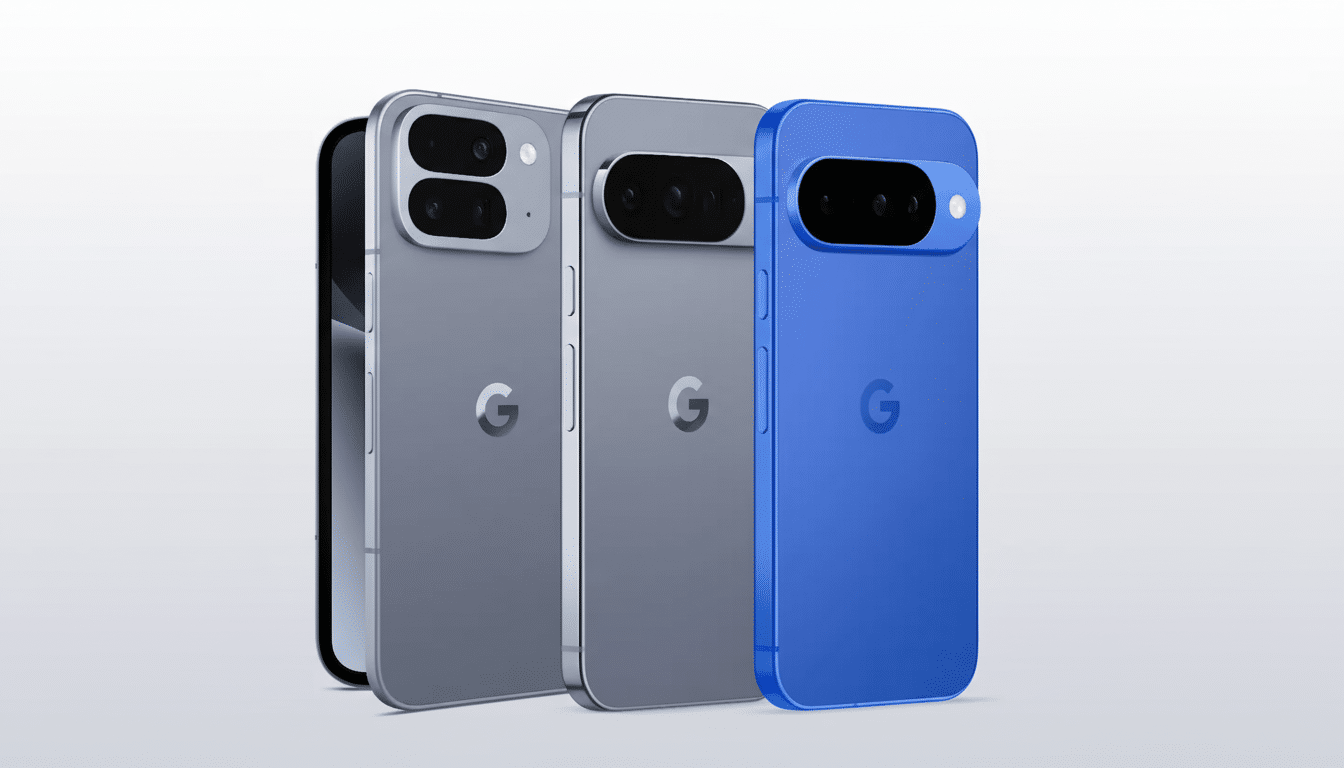
What the New GPU Driver Actually Changes on Pixel 10
Under the hood, the GPU driver changes from version 1.602.400 to 1.634.2906, with our driverInfo reporting 25.1, which is the same branch PowerVR announced alongside broader Android 16 support.
This is not just a version tick. That second one usually involves changes to the shader compiler, scheduler, memory management, and cache-based pipelining, impacting frame pacing, stability, and developer features.
Vulkan 1.4 conformance means the Pixel 10 now matches the feature level that modern games (and engines) are more and more dropping down to support. For developers, that could make it easier to deploy by eliminating device-specific workarounds and enabling more standard behaviors for high-end rendering paths. For gamers, that’s the prerequisite to smoother play in more titles which increasingly rely on Vulkan’s newer features and threading model.
Confirmation has arisen from the Vulkan Hardware Capability Viewer, a standard tool among graphics engineers. The arrival of 1.4.1.0 conformance on a retailer’s Pixel 10 is significant as it puts the device in line with some of the latest flagships, some of which already made it to the Vulkan 1.4 boat.
Impact in the Real World for Games and Apps
The real question is how much more quickly or smoothly everything will feel. Google has not announced performance deltas, and GPU driver updates can be as much about compatibility and stability as raw speed. Previous updates have, in the past, helped decrease shader compilation stutter on some titles as well as creating more consistent frame-times for those pushing thermal limits and reducing the frequency of frame-rate hitches.
Some early concern came around forcing all PowerVR paths to be deprioritized for a similar device class, and PVRTC-specific headers needing refactoring. Google has noted that it retains high-profile titles like Genshin Impact on the Pixel 10, and this driver should ensure those matters are even easier. The most noticeable gains should show in games and apps that favor Vulkan by default—I’m talking graphically demanding RPGs, sprawling open-world titles, and GPU-powered camera or AR workloads.
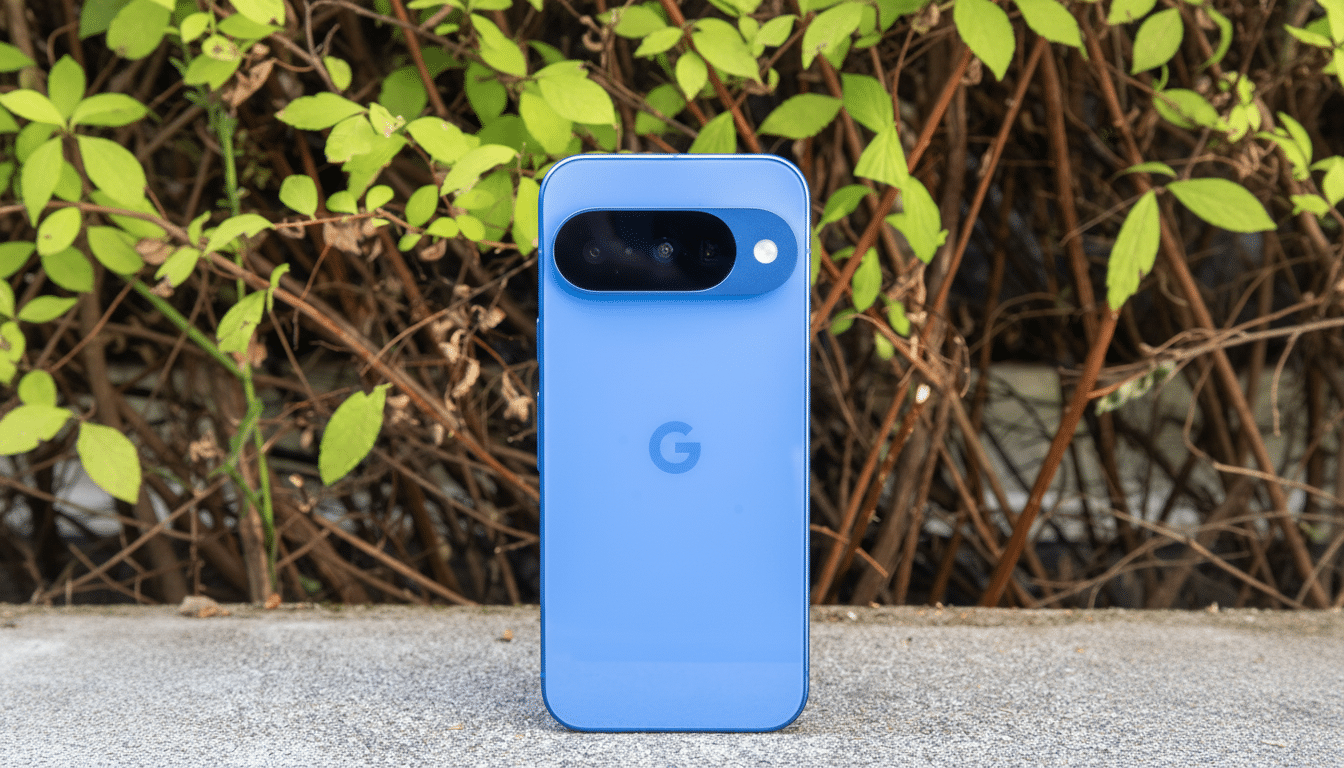
And even if average frame rates move in incremental fractions, frame pacing and stability during long sessions are just as meaningful as headline FPS gains. A new compiler and a renewed emphasis on caching could mean fewer of those micro-hitches that users notice every time new effects, enemies, or areas first load.
Rollout Timeline and Who Will Receive the Update
That driver goes out first in Android 16 QPR3 Beta 1 for the Pixel 10 series. Following beta and validation, in Google’s cadence, you can expect QPR changes to arrive in stable builds as part of Pixel Drop updates. That means non-beta users will have the driver just pop up as a system update once it leaves testing.
If you’re in the beta, you can check the upgrade with diagnostics such as the Vulkan Hardware Capability Viewer; look for the 25.1 driverInfo branch and 1.4.1.0 conformance. As is always the case with beta software, there are likely to be some rough edges until this gets a proper public release.
Why this GPU driver update matters for Pixel 10 users
Upgrading the Imagination GPU in the Pixel 10 to a modern Vulkan baseline is an indication for developers that there is intent in opening up these silicon features, especially when Google uses its own platform and needs to make sure everything works.
For engine makers such as Unity and Unreal, consistent conformance means less reason to tweak device profiles by hand: It’s more likely that optimizations will benefit Pixel users on day one.
For users, the advantages could be slow but steady: fewer game-specific bug reports on forums, more consistent performance in demanding titles, and fewer app crashes that have been tied to edge-case GPU behavior. Assuming Google maintains the driver cadence on future QPRs, that means the Pixel 10’s graphics experience will become increasingly more flagship-consistent over time.
The bottom line is simple. The Pixel 10 has the GPU driver it should have had from day one at last, and that makes this phone much more prepared for all the games and graphics-heavy apps that are coming (or here) soon.