


I gave up my smartphone for exactly 24 hours and felt a click, like a gear finally meshing. By nightfall, I fell asleep faster. By morning, the fog of constant checking had lifted. And in the days after, my reflex to reach for a screen lost its grip. What sounded like a pleasant stunt turned out to be a nervous-system reset hiding in plain sight.
Why One Day Without a Phone Was Surprisingly Enough
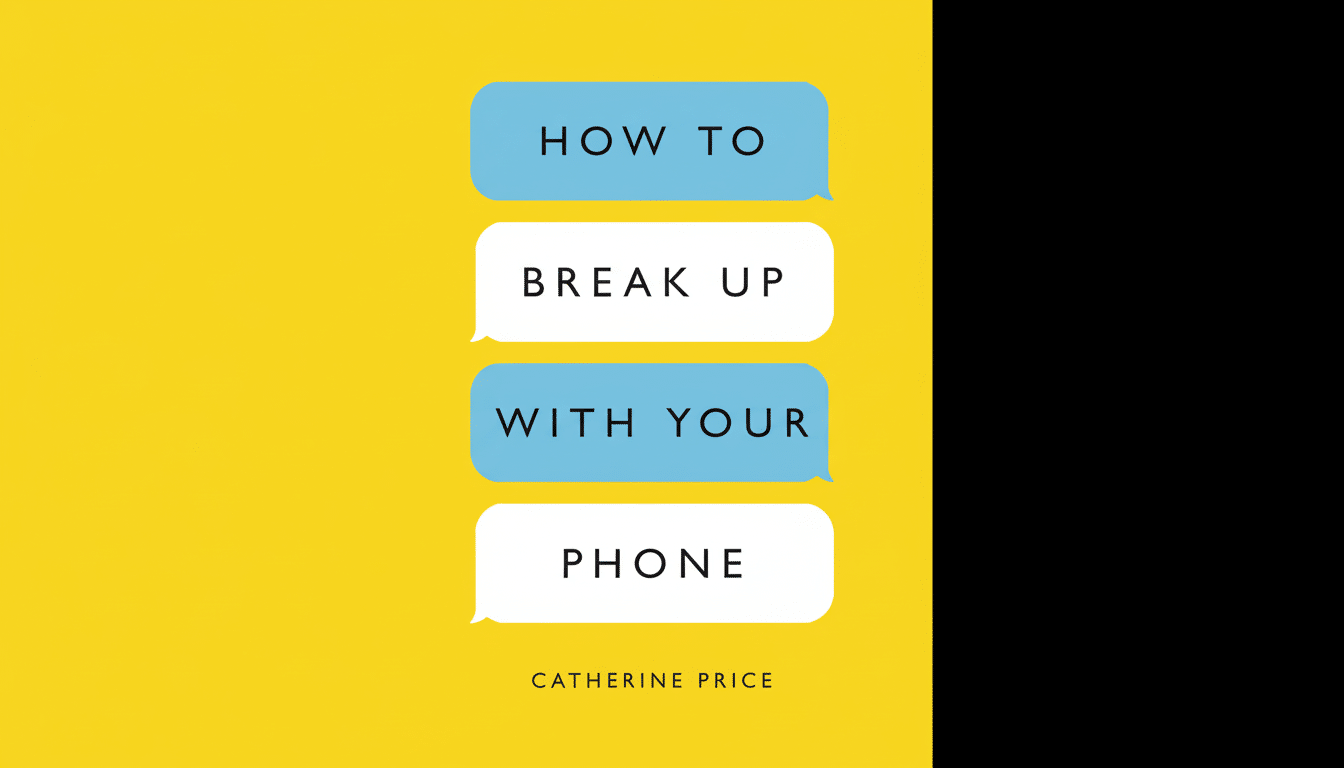
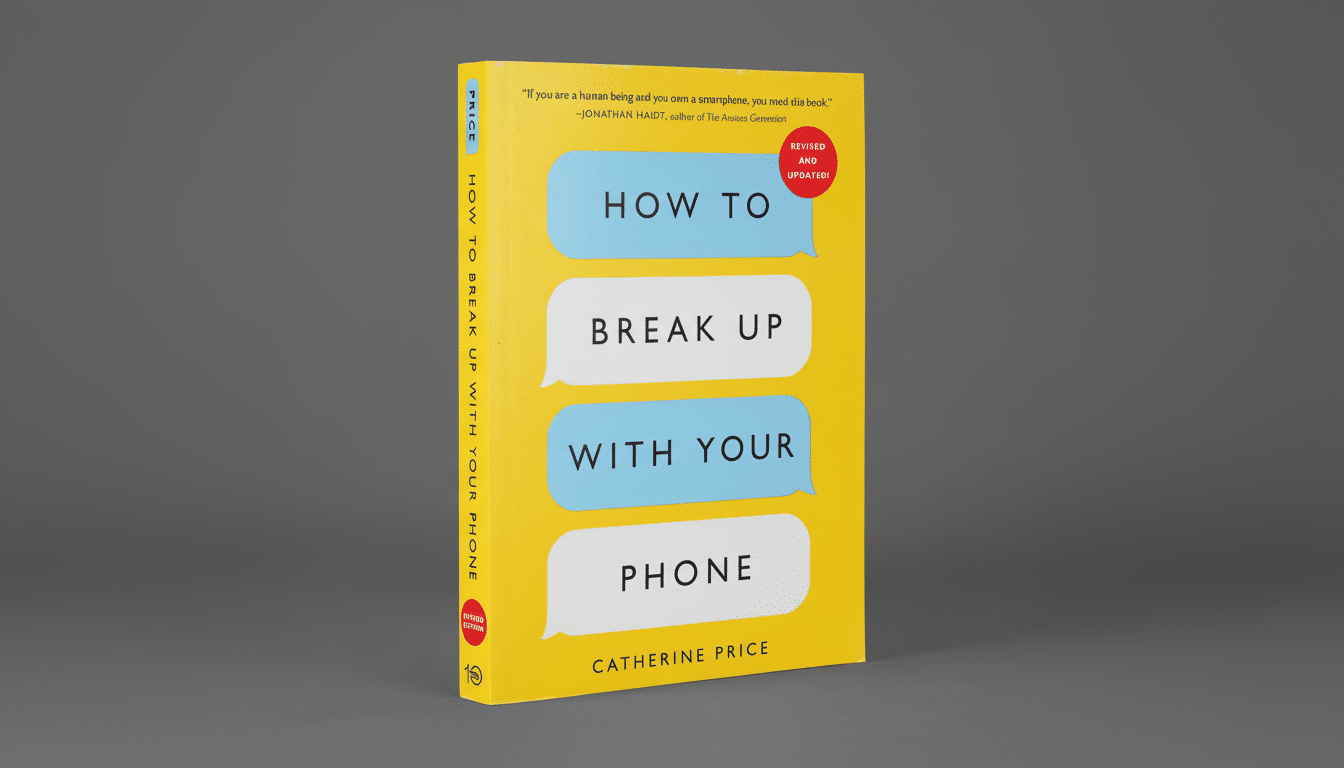
Before the experiment, I believed I had reasonable boundaries: few notifications, no bedtime scrolling, phones off the dinner table. Still, I was forever toggling—weather, maps, messages, one more quick task. The first hour without the device was the hardest. My brain kept inventing errands that required “just a second” on the phone. Catherine Price, author of How to Break Up With Your Phone, warns that this protest is normal; the novelty wears off if you ride it out. She was right. Within hours, the compulsion quieted.
- Why One Day Without a Phone Was Surprisingly Enough
- What Shifted in Body and Brain After One Phone-Free Day
- The Real-World Test: A Day Out Without Constant Checking
- The Data Behind the Detox and What Studies Suggest
- Practical Rules That Stuck After a 24-Hour Phone Reset
- What I Gained and What I Risked by Going Phone-Free
- Try Your Own 24-Hour Reset With These Simple Steps
I slept with my phone in another room, a small act with an outsized effect. I drifted off without my usual meditation app and woke up clearheaded. It felt like switching from fluorescent lighting to sunlight.
What Shifted in Body and Brain After One Phone-Free Day
Blue light and bedtime alerts are known sleep disrupters; researchers at Brigham and Women’s Hospital have shown that evening device use can delay melatonin release and reduce REM sleep. My single night apart didn’t rewrite biology, but it removed two big culprits—light and alerts—long enough for better rest to break through.
By day, I noticed fewer micro-surges of stress. The American Psychological Association has linked media multitasking to higher perceived stress and lower cognitive control. The difference wasn’t abstract: conversations stretched longer, my patience returned, and the mental static receded.
The Real-World Test: A Day Out Without Constant Checking
I didn’t hide at home. My partner and I ran errands, then took public transit to the beach. I carried a notebook to capture to-dos so they didn’t become excuses to grab the phone. When we needed a transit update, I used the device briefly—ringer on, Do Not Disturb engaged, favorite contacts allowed—then stashed it again. The phone became a wrench, not a habit.
Waiting in line, we people-watched. On the ferry, I resisted the reflex to document the view for group chats and let the wind mark the memory. We navigated a neighborhood without a map, got a little lost, and found dinner anyway. The day felt strangely like childhood: less optimized, more alive.
The Data Behind the Detox and What Studies Suggest
My experience mirrors what the numbers suggest. Data.ai’s State of Mobile report estimates that people now spend roughly five hours a day on mobile devices. Pew Research Center finds about 33% of U.S. adults say they are online “almost constantly.” An Asurion survey reported Americans check their phones hundreds of times a day. That churn isn’t free. A University of Texas at Austin study known as “Brain Drain” found that the mere presence of a smartphone can sap available cognitive capacity, even when it’s face down and silent.
The mental health signal is similar. In a randomized University of Pennsylvania trial, students who limited social media to 30 minutes daily reported reductions in loneliness and depression compared to typical use. None of this means phones are bad; it means unexamined, always-on use is costly.
Practical Rules That Stuck After a 24-Hour Phone Reset
- The bedroom is now a phone-free zone. I keep a $10 alarm clock and read on paper.
- I use Do Not Disturb by default, with a short list of allowed contacts, so true emergencies still get through.
- I batch communication and errands, checking messages at set times instead of grazing all day. A notebook replaced my impulse to “just look that up.”
I also pruned my home screen, removed temptations, and kept essential tools—maps, payments, rideshare—one search away. Friction helps. The device still does its job, but only when I give it one.
What I Gained and What I Risked by Going Phone-Free
I gained time that didn’t feel like time; it felt like attention. Small moments—choral voices spilling from a church, a child’s improvised bouquet, a breeze tugging at a ferry wake—no longer competed with notifications. I also risked things: I missed one call, and delayed replies sometimes created minor friction. But the trade-off was clarity. The phantom urgency faded, replaced by a kind of calm I hadn’t realized I’d bartered away.
Try Your Own 24-Hour Reset With These Simple Steps
If you try this, plan like a journalist on deadline.
- Tell key people you’ll be offline.
- Set Do Not Disturb with emergency exceptions.
- Print what you need or write it down.
- Give your brain a full day to settle.
- Consider the Global Day of Unplugging, organized by Unplug Collaborative, as an on-ramp—but any day will do.
A single phone-free day did not make me anti-tech. It made me pro-choice—the choice to use a powerful tool without letting it use me. That’s the breaking development here: after 24 hours, I didn’t want less life on my phone. I wanted more life, period.