


Longevity physician and media personality Peter Attia has stepped down as chief science officer of David Protein after his name surfaced in a large batch of documents related to Jeffrey Epstein, prompting a swift leadership reshuffle at the fast-rising nutrition brand and fresh questions around Attia’s other company, Biograph, which has declined to comment on his status.
Attia’s Departure Follows Epstein Document Release
David Protein’s founder said on X that Attia had left his role, ending a high-profile partnership that helped the startup court consumers obsessed with performance and preventive health. The move came days after Attia’s name appeared across more than 1,700 files, including emails, released as part of a broader trove of Epstein-related records reported by The New York Times.
In an extended post on X, Attia acknowledged crude language in past emails with Epstein, expressed regret for those exchanges, and emphasized that he was not involved in criminal activity. He said he never visited Epstein’s island or flew on his plane, while outlining how and why he maintained contact even after Epstein’s 2008 conviction.
Attia, a Canadian American physician, is one of the most recognizable voices in longevity science and behavior change, known for the bestselling book Outlive and a widely followed podcast. He was also an early investor in David Protein and served on the food company’s executive team, making his exit both operationally and symbolically significant.
A Stress Test For David Protein’s Hypergrowth Strategy
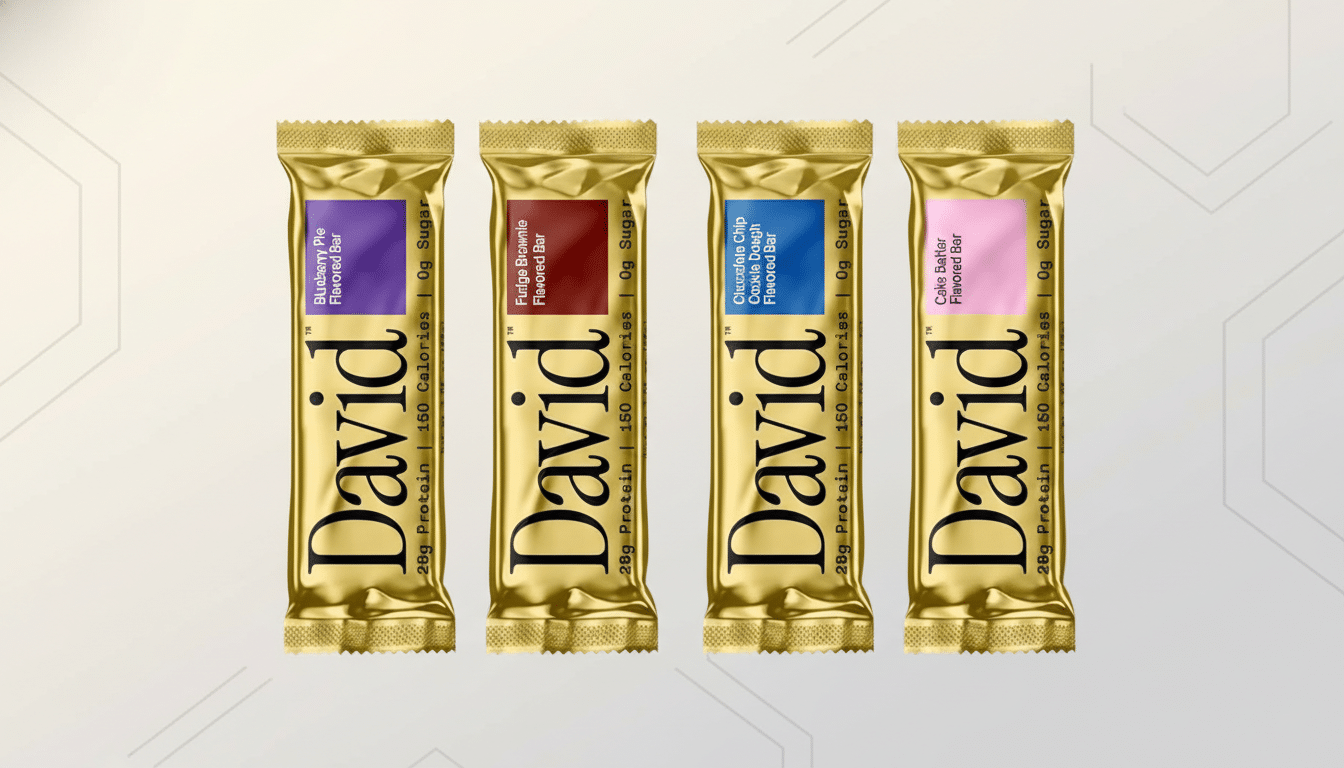
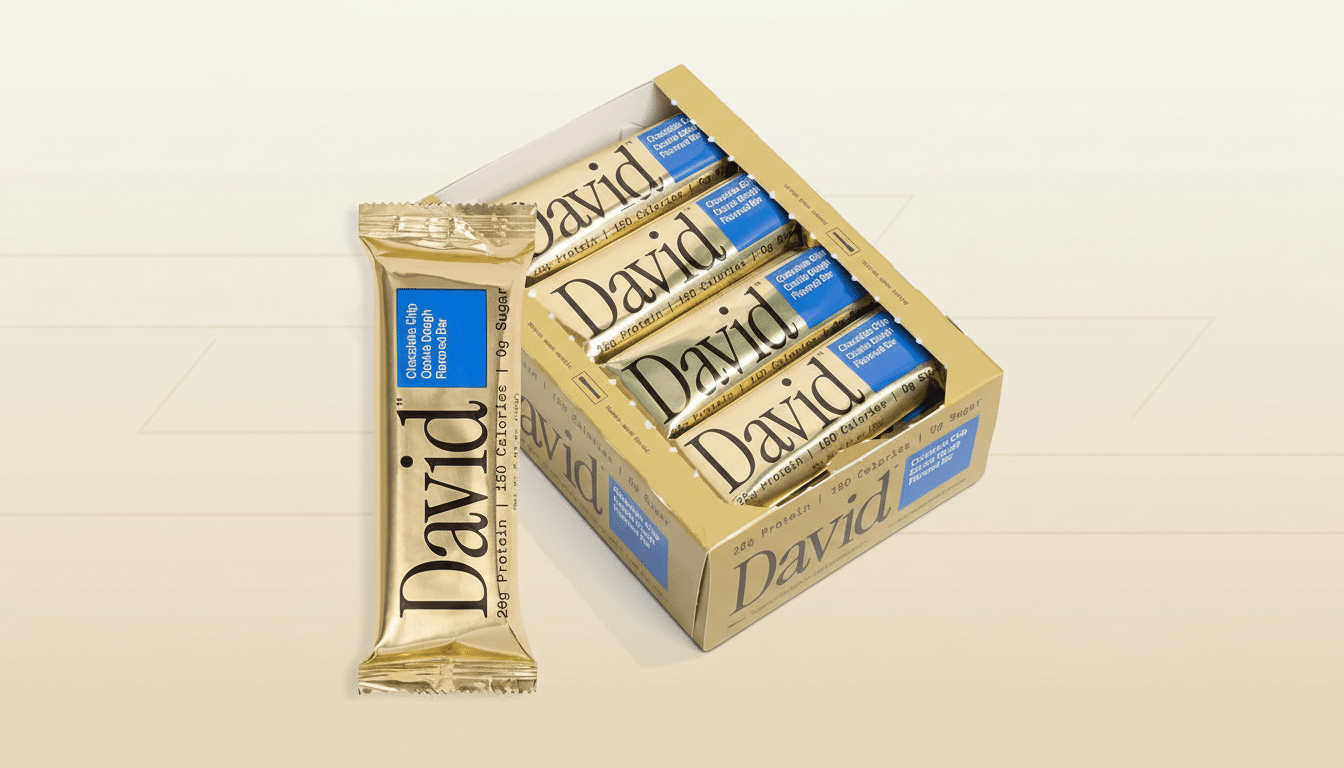
David Protein has been in hypergrowth mode. The New York-based company raised a $75 million Series A led by Greenoaks with participation from Valor Equity Partners, a striking sum for a three-year-old consumer brand. Its flagship bar, launched in late 2024, touts 28 grams of protein, zero sugar, and 150 calories—positioning that has resonated with fitness-forward consumers and retailers seeking higher-margin functional snacks.
Influencer-scientist partnerships have become a common accelerant in functional CPG, but they also concentrate brand risk. When the scientific face of a company steps down, investors and retailers often look for signs of continuity: who controls R&D, what happens to product roadmap validation, and whether quality assurance and clinical claims rely on a single figurehead or a broader advisory bench.
Industry analysts note that bar categories can be resilient to leadership controversies if supply chains, formulations, and channel relationships are intact. But the speed of modern retail resets and social media sentiment means even short-lived reputational shocks can impact purchase intent. For a company fresh off a large round and sprinting into national distribution, steady communication with customers and partners will matter as much as the science on the wrapper.
Biograph Distances Itself By Saying Nothing
The fallout extends beyond David Protein. Biograph, a healthcare testing and longevity startup co-founded by Attia and entrepreneur John Hering (best known for co-founding mobile security firm Lookout), declined to comment on Attia’s ongoing role. Pages on Biograph’s website that previously referenced him now omit his name or return a “file not found” error, an apparent effort to limit association without making a formal announcement.
Silence is a strategy, particularly for health companies navigating regulatory sensitivities and patient trust. Diagnostics and longevity services operate under heightened scrutiny from clinicians and payers; leadership controversies can complicate relationships with lab partners, IRBs, and insurers even when no regulatory violations are alleged. Many startups respond by minimizing personality-led branding and emphasizing team-based medical governance.
Why This Matters For Longevity And Wellness Brands
The modern wellness economy has been built on a blend of science, storytelling, and celebrity. That mix can accelerate adoption—Attia’s platform has helped translate complex metabolic and cardiovascular research for millions—but it also means reputational turbulence can spread across companies, media appearances, and investor relationships with unusual speed.
Recent history shows institutions recalibrate quickly in the face of Epstein-linked scrutiny: universities reviewed donor ties, labs returned funds, and several prominent figures resigned from advisory posts. Consumer brands tend to follow a similar playbook—swift personnel moves, tightened communications, and a pivot to emphasizing product quality and independent oversight rather than star power.
For David Protein, the near-term questions are tactical. Can the company keep its launch cadence, retail expansion, and quality signals intact without its most prominent scientific voice? The answer will hinge on whether its R&D and medical advisory functions are institutional rather than individual. For Biograph, the unanswered question is simpler but more consequential: whether the company sees long-term risk in a continued association with Attia, and how it plans to communicate that to patients, clinicians, and partners.
No criminal accusations have been made against Attia in connection with the newly surfaced documents. But in a health space where trust is a core product feature, the optics alone can prompt rapid governance changes. The next moves by David Protein and Biograph will signal whether this moment is a temporary PR squall or the start of a broader rebalance away from personality-led brands in longevity.