


Peloton is debuting Peloton IQ, its AI-enabled coaching system poised to change, along with the bike or tread or rower you are on, just what that hardware thinks it knows about how to coach all of us through a workout. The software, arriving alongside a fresh batch of hardware, takes feedback while you exercise and adjusts workouts on the move, promising a more personal experience that’s less one-size-fits-all.
A More Intelligent Coach on Your Console
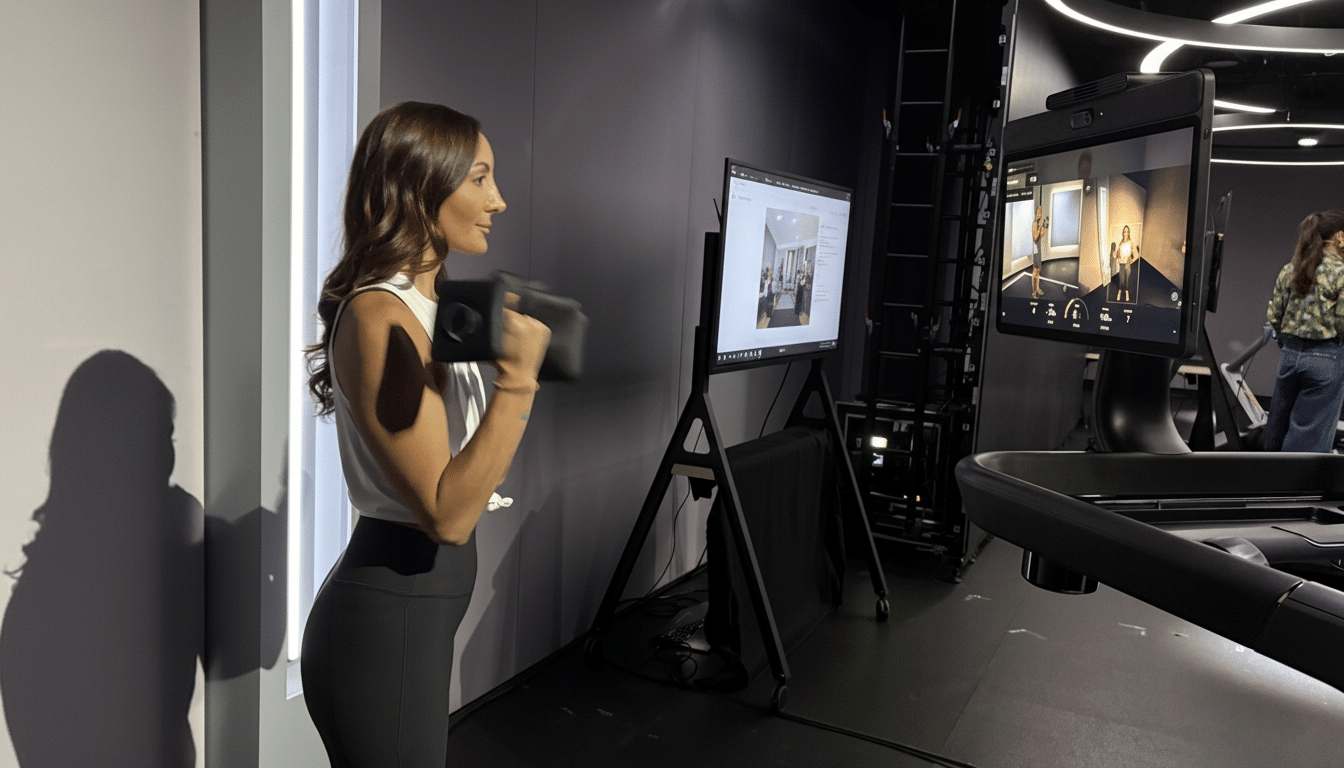
Peloton IQ acts like a coach that remembers your past and understands your needs. It draws from your class history, effort levels and synced health data to personalize plans, pace targets and recovery. Computer vision also allows the system to track reps and form in strength sessions, while live metrics provide cadence, resistance and interval guidance on cardio equipment.
- A More Intelligent Coach on Your Console
- New Devices and Full-Featured Support Arrive
- What It Feels Like During a Peloton IQ Workout
- Why Peloton Is Investing in AI for Personalized Training
- How It Compares With Rivals in Connected Fitness
- Privacy and Accuracy Considerations for Peloton IQ
- Members’ Bottom Line on Peloton IQ and New Hardware
The platform syncs to popular trackers from Apple, Garmin and Google’s Fitbit so heart rate, sleep and readiness data can inform training recommendations. If your wearable is flagging poor recovery, for instance, IQ can also dial down intensity and free up more time for mobility or low-impact work — then ramp you back up as your readiness allows.
New Devices and Full-Featured Support Arrive
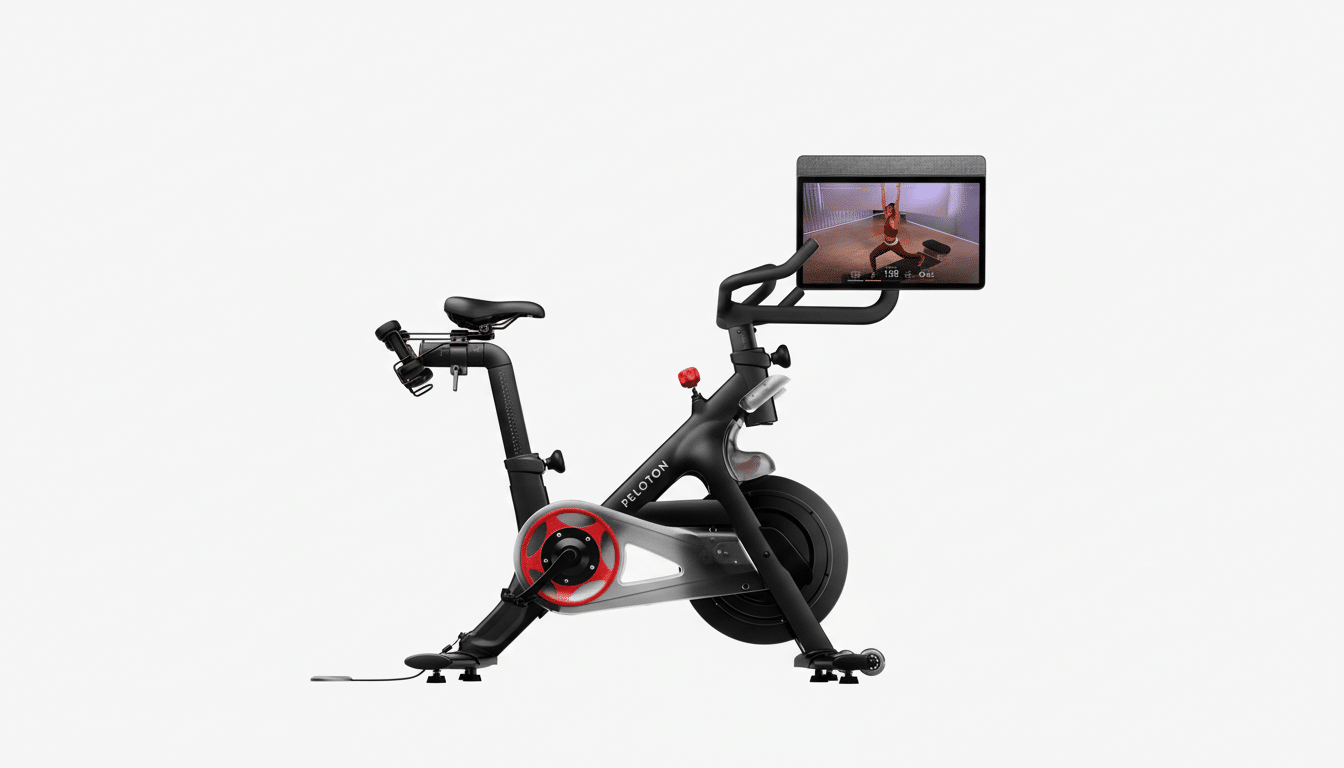
Peloton is featuring the software alongside five new machines: the Cross-Training Bike+, Tread+, and Row+. These all add a movement-tracking camera, hands-free controls and Sonos-upgraded speakers to show off the full IQ feature set, which appeals especially for strength classes and hybrids that demand precise form analysis.
Legacy owners aren’t left out. Peloton is sending a software update to original models so that members can get AI-assisted plans and feedback. But the latest hardware offers the most accurate rep counting and form cues available — in part through its sensor array and camera that provide as close a feedback loop as possible for tech.
What It Feels Like During a Peloton IQ Workout
On the bike, Peloton IQ can even change target ranges mid-ride in response to your heart rate, cadence smoothness and recent performance, egging you on or telling you to pull back if you’re bombing through a series of intervals. During a strength block, it can count reps, suggest weight progressions and flag form faults — think knees caving in during squats or rounding on deadlifts — then provide corrective cues and swaps.
Importantly, the system changes with time. Finish a block of power zone rides or a progressive strength cycle, and IQ will auto-progress volume and intensity while considering recovery — using the same principles coaches in real life use to train with periodization.
Why Peloton Is Investing in AI for Personalized Training
Peloton’s brand was built on charismatic instructors and community, but mass personalization is now where connected fitness is being fought. The company’s annual sales grew to more than $4 billion at the peak of the pandemic and sat closer to about $2.5 billion, according to company filings. Smarter coaching tries to improve retention by ensuring that every session feels like a tailored, valuable experience as opposed to a generic one.
The general market is heading in the same direction. Wearable tech and data-driven training are routinely among the top industry trends, according to the American College of Sports Medicine’s Worldwide Survey (based on a survey of more than 2,000 fitness professionals), which reflects consumer demand for personalized guidance. Retail trackers like Circana have also charted the post-boom cooling of home fitness hardware, forcing brands to differentiate around software and services as opposed to nothing but specs.
How It Compares With Rivals in Connected Fitness
Competitors have circled that idea from various angles. Tonal employs adaptive resistance to automatically progress strength loads. And there are also vision-based systems such as Tempo and others, which support rep counting and form checks with camera rigs. Apple Fitness+ individualizes class recommendations based on Apple Watch data but doesn’t give granular form correction. Peloton’s play is to combine live-class energy with on-the-fly coaching across bike, tread, row and floor workouts within a single membership.
Privacy and Accuracy Considerations for Peloton IQ
There are natural questions of data sensitivity in computer vision and biometrics. Peloton says IQ “relies on performance and class data” to make recommendations, and that integrations with third-party wearables are opt-in. Members should consider device settings to manage what is shared and how long it is kept, a best practice that privacy advocates and consumer protection groups endorse.
As for accuracy, no AI coach is ever going to be perfect. Vision models can also be defeated with poor lighting or improper camera angles, and rep counting might misinterpret tempo or range. Expect iterative improvements as Peloton ships updates and trains models on a wider variety of movement patterns, a widely followed strategy among AI fitness platforms.
Members’ Bottom Line on Peloton IQ and New Hardware
Peloton IQ takes the offering from a motivational content platform and makes it definitively adaptive training. With an active membership, most will see smarter programming and feedback on their current hardware; the newest machines unlock the deepest form tracking and hands-free control. In a crowded category, AI that actually delivers measurable results — and keeps workouts interesting in the process — may be the feature that matters most.
Internally, management has defined the rollout as being about more than just a piece of software, framing IQ instead as a reset around intelligent personalization. If Peloton can convert better coaching into elbows-out victories, it won’t only be shining up the interface — it will be redefining what a connected workout even means.