


I wore the Oura Ring 4 and Whoop 5.0 side by side for weeks—across tempo runs, flights, meetings, and a handful of midnight wake-ups—to see which screen-free wearable actually helps you live better. Both deliver rich recovery and sleep insights without the distraction of a watch face. In the end, Oura proves the better all-around pick for most people, while Whoop retains a clear edge for hardcore training volume and battery life.
Design and wearability compared across ring and band
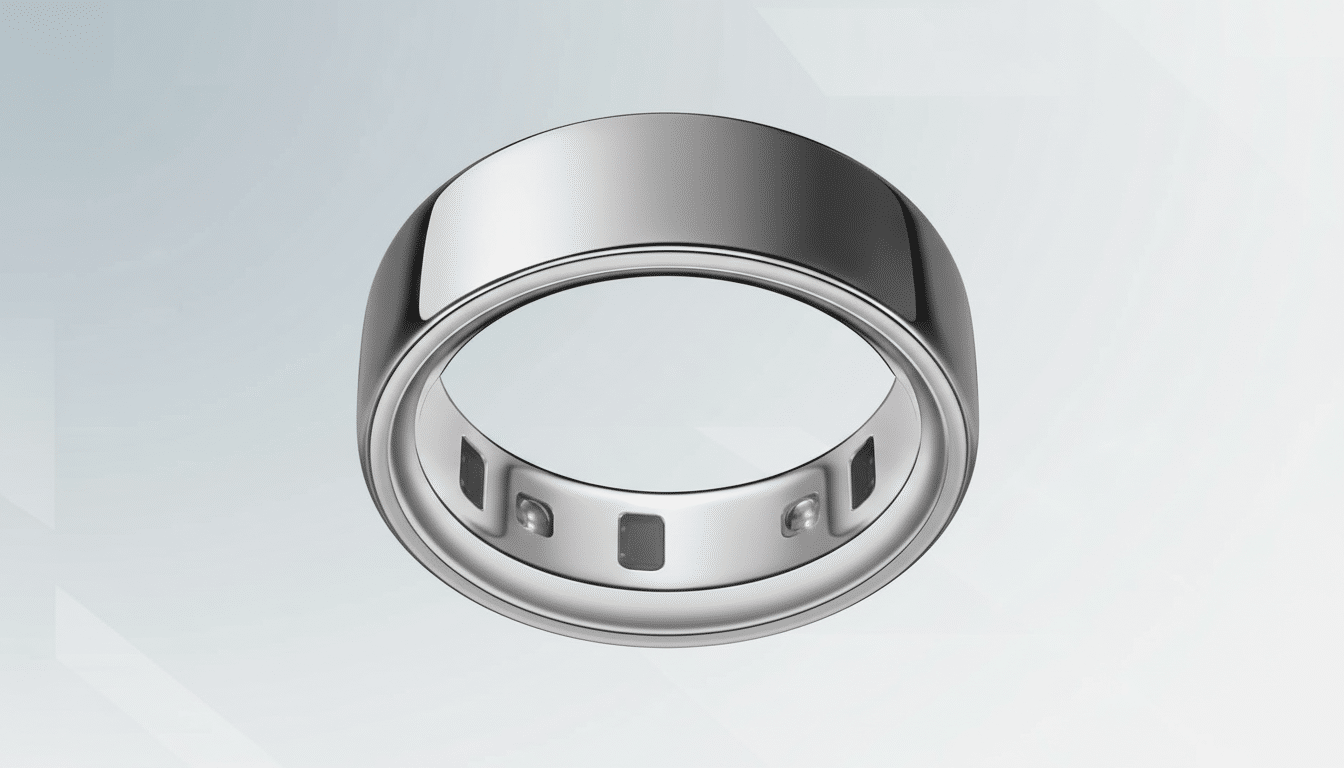
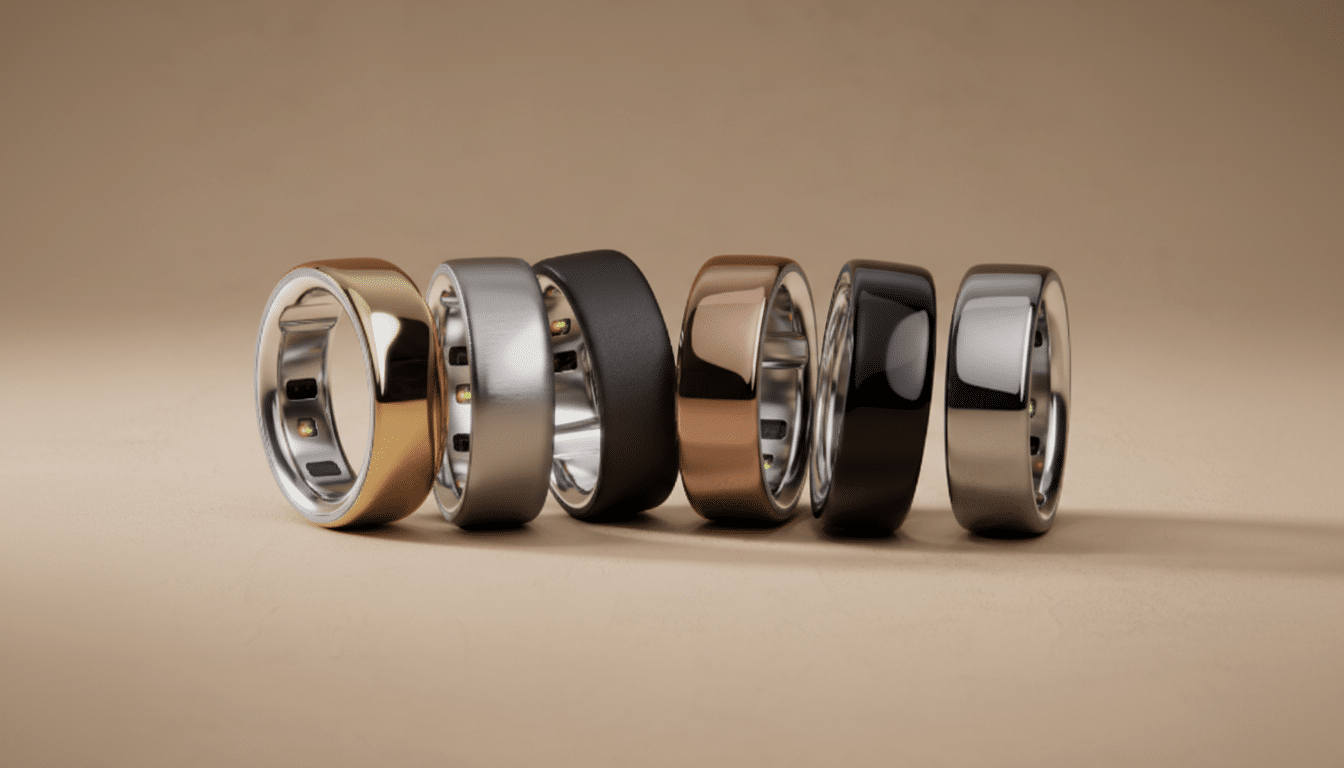
Oura looks like jewelry and behaves like gear. The Ring 4 slides under sleeves, pairs with formal wear, and never snags during kettlebell cleans. Whoop’s minimalist band is discreet at the gym, but it reads utilitarian next to a blazer. Both are comfortable 24/7; neither irritated my skin or got in the way of typing or sleep positions.
- Design and wearability compared across ring and band
- Sensors and accuracy in sleep, heart rate, and motion
- Training tools and coaching differences between devices
- Battery life and charging convenience in daily use
- App experience and insights for stress and sleep
- Price and long-term value over one to three years
- The bottom line on choosing Oura Ring 4 or Whoop 5.0
Whoop also offers alternative placements (bicep bands and apparel sleeves) that keep the sensor off your wrist for barbell work—a thoughtful option for athletes who hate wrist constriction during lifts.
Sensors and accuracy in sleep, heart rate, and motion
Each device relies on a similar toolkit—photoplethysmography for heart rate and HRV, accelerometry for movement, and skin temperature—layered into proprietary readiness models. In steady-state activities and during sleep, both were tightly aligned on heart rate, HRV trends, and respiratory rate. High-motion scenarios are tougher for all PPG wearables; the American College of Sports Medicine notes that wrist and finger sensors can struggle during explosive intervals and heavy strength work due to motion artifact.
Sleep staging is broadly comparable. Peer-reviewed studies on ring and band form factors have shown reasonable agreement with polysomnography for total sleep time and fairer alignment on stage classification—good for long-term trend tracking rather than clinical diagnostics. In nightly use, both nailed bedtime regularity and elevated skin temperature during a travel-induced head cold, which correlated with a dip in readiness the next morning.
Training tools and coaching differences between devices
Whoop leans into coaching with three pillar scores: Strain, Recovery, and Sleep. The app translates physiology into clear prescriptions—how hard to push today, when to wind down, and how much sleep to target to clear debt. Its activity library spans gym machines, sports, and household chores, and it lets you log individual lifts like back squats or bench press. If you want the wearable to tell you how to train, Whoop is persuasive.
Oura’s triad—Readiness, Sleep, and Activity—adds long-horizon views such as cardio capacity and cardiovascular age. The ring surfaces granular metrics quickly (overnight HRV, resting heart rate, SpO2, and skin temperature deltas), then layers smart but lighter-touch guidance. Runners and cyclists who already follow a plan may prefer Oura’s balance of detail and restraint.
Battery life and charging convenience in daily use
This is where Whoop runs away with it. In testing, the Whoop 5.0 lasted about 16.5 days on a charge, and its slide-on battery pack lets you top up without removing the band. Oura’s 7.25-day result is strong for a ring—weekly charging is easy to build into a routine—but it can’t match nearly two and a half weeks of Whoop uptime plus on-wrist charging convenience.
App experience and insights for stress and sleep
Both apps visualize stress, sleep, and activity well, but they emphasize different philosophies. Whoop is prescriptive by design. Open the app, and you’ll see target sleep duration, a recovery color, and a suggested strain range. Oura is more exploratory, presenting raw numbers with context and trend lines you can act on yourself. I also found Oura’s stress graphs more actionable, mapping spikes to specific daytime events and recent exertion.
On sleep, Oura foregrounds details—sleep efficiency, latency, time in bed awake, stage breakdown, and overnight HRV—without digging through submenus. Whoop captures similar metrics but pushes you toward the bottom line: how much you need to sleep tonight to rebound. Both approaches work; choose the one that matches your temperament.
Price and long-term value over one to three years
Oura starts at $349, with an ongoing membership of $69.99 per year. Premium ceramic finishes begin at $499. Whoop is membership-only, with the 5.0 band included at $239 per year (battery pack and a standard band come in the box). The math hinges on how long you keep your device: at one year, Whoop’s $239 undercuts Oura’s $418.99 (hardware plus first-year membership). Around two years, costs are roughly even. By three years, Oura becomes the better value at $558.97 versus $717 for Whoop, and the gap widens after that.
Neither device locks core features to new hardware annually, which helps amortize cost. If you upgrade often, Whoop’s subscription model is easier to swallow; if you keep tech for years, Oura’s total cost tilts in your favor.
The bottom line on choosing Oura Ring 4 or Whoop 5.0
For everyday health tracking, sleep optimization, and elegant wearability, Oura Ring 4 is the winner. It delivers rich metrics, clearer stress context, and stronger long-term value in a form you’ll forget you’re wearing. Whoop 5.0 excels for endurance and strength athletes who want explicit, daily prescriptions and industry-leading battery life. Pick Oura if you want comprehensive insights with minimal fuss; pick Whoop if you want your wearable to coach you, not just inform you.
One final tip: whichever you choose, consistency beats any single metric. The National Sleep Foundation notes that sleep regularity is a powerful lever for daytime performance. Set your bedtime, wear the device nightly, and let the trends—not a single red or green score—guide your next move.