


Oura Health, the maker of the Oura smart ring, is raising about $875 million in new Series E funding at a valuation around $11 billion, according to Bloomberg. The late-stage round, which Bloomberg said could exceed $900 million, will be a step-change for the company in its scale and resources as it pushes further into mainstream health wearables.
A funding round that sets a new standard
If completed at the reported size, the Series E would nearly double Oura’s previous valuation from its last private funding. That leap reflects a hot top-line business and investor conviction that smart rings are moving from niche accessory to a core category in consumer healthtech.
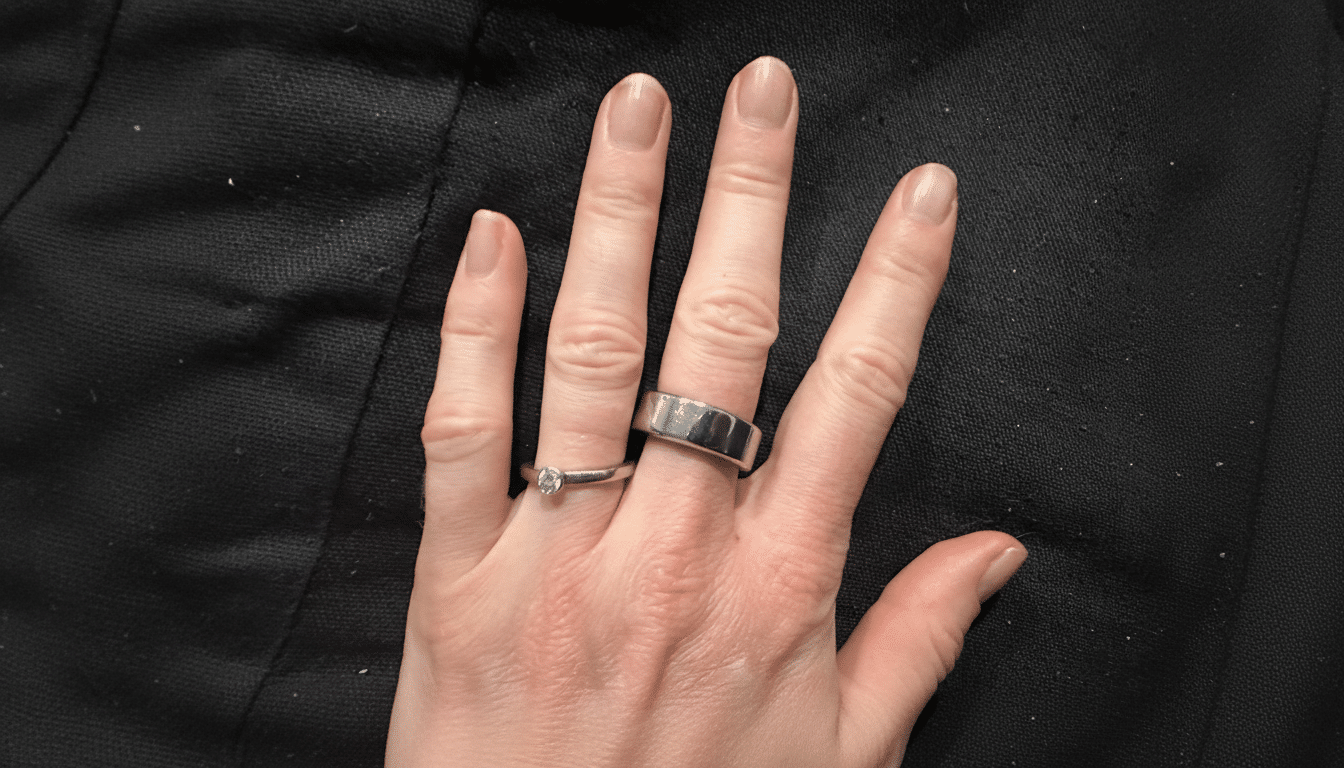
Bloomberg says Oura has sold 5.5 million rings in total, up dramatically over earlier statements. Revenue is expected to top $1 billion this year — roughly double the amount, about $500 million, the company pulled in last year — with internal projections of more than $1.5 billion in sales in 2026.
What’s powering Oura’s growth in health wearables
Several demand drivers are converging. The app has amassed disproportionately high traction with women, many of whom value features — including cycle insights as well as the company’s longstanding partnership with Natural Cycles for fertility awareness. Oura has also dabbled with brick-and-mortar retail, expanding beyond direct-to-consumer sales, while its business in the U.S. has seen dollars go toward purchases from health savings and flexible spending accounts.
Behind the scenes, Oura’s model combines hardware revenue with recurring software fees from its membership — adding sleep, recovery, readiness and women’s health analytics beyond raw sensor data. This mix-and-match architecture, which is the model WHOOP adopted, affords the company a far more predictable path to revenue and lifetime value than a one-off gadget sale.
The pitch for the product continues to center around high-fidelity sleep tracking, continuous skin temperature and heart rate/HRV metrics, and a stealthy chassis design. Academic partnerships — including studies done with university researchers that looked at early signs of illness detected from temperature deviations — have helped create credibility with health-conscious users.
An overcrowded smart ring field intensifies
Oura’s acceleration arrives as heavyweight competitors set their sights on the category. Samsung unveiled the Galaxy Ring and its grand entrance into the smart ring market — and it’s a major brand name with its own stores, so if you’re looking for hardcore Android integration, this is probably what most people are going to pick. Meanwhile, fitness-first competitors (like WHOOP) and long-time smartwatch platforms (Apple’s watchOS, Garmin’s Forerunner platform) keep pushing advanced sleep and recovery features that overlap with what users get from Oura.
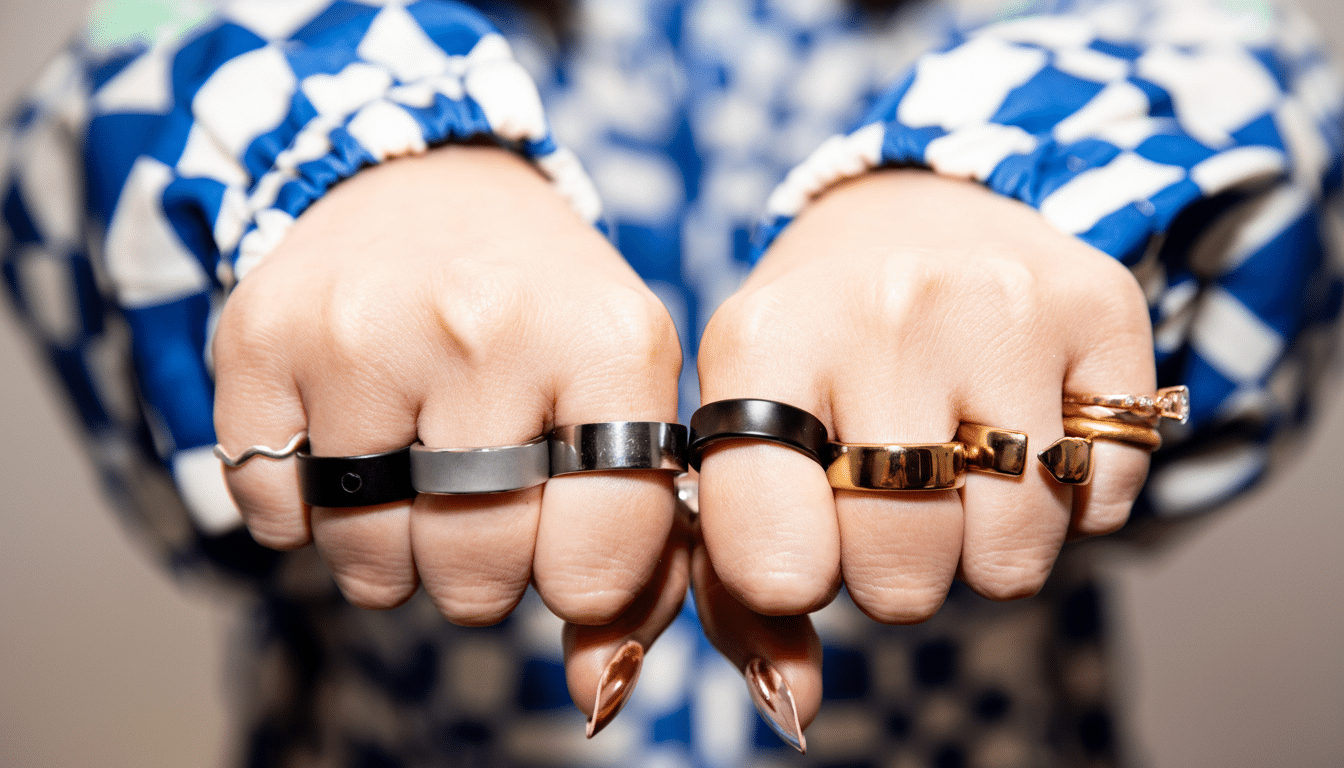
For all the competition, there are clear benefits to the ring format when it comes to wearing it overnight and battery life — two problems with wrist-worn devices. Analysts from firms like IDC and Counterpoint Research have pointed out that sleep has proven to be a sticky use case across wearables, and Oura’s early-mover status gives it data depth that’s difficult to replicate fast.
How Oura will most likely spend the money
According to Bloomberg, Oura is looking to scale manufacturing while accelerating its expansion abroad and investing in new products. In practice, that probably means additional production capacity for its titanium ring line, more localized offerings across markets and the potential for increased innovation in sensors and algorithms — think readiness scoring, women’s health and personalized guidance — at a faster pace.
Regulatory avenues may also become clearer. Though Oura markets its device as a wellness item, the metrics it measures — trends in skin temperature and heart rate variability, sleep staging — are useful for clinical research and remote monitoring. More funding gives the company optionality to chase a few clearances or deeper partner agreements with insurers and employers, categories where wearable data is having more of an impact in preventive medicine.
Key risks and what to watch as Oura scales
Scale brings scrutiny. As Oura rises above 1 million users, it will have to uphold a high bar of accuracy and reliability as volumes rise — particularly given that new entrants are setting consumer expectations for no-hassle setup and cross-device integration. Although supply chain resilience (materials/sensors/multi-size inventory) can be applied in other form factors, this is still a practical challenge for ring-sized chiplets.
Strategically, the company must protect its differentiation as other tech giants bundle health across devices and services. Look for further focus on outcome-based metrics (sleep quality, recovery and women’s health insights) and continued investment in software features that increase switching costs.
For now, the headline is simple: investors are betting that rings are not a sideshow in wearables, but rather a mainstream endpoint for continuous health sensing. If the reported Series E is closing on the terms that have been written about, Oura will have the capital to once and for all test that thesis at global scale.