


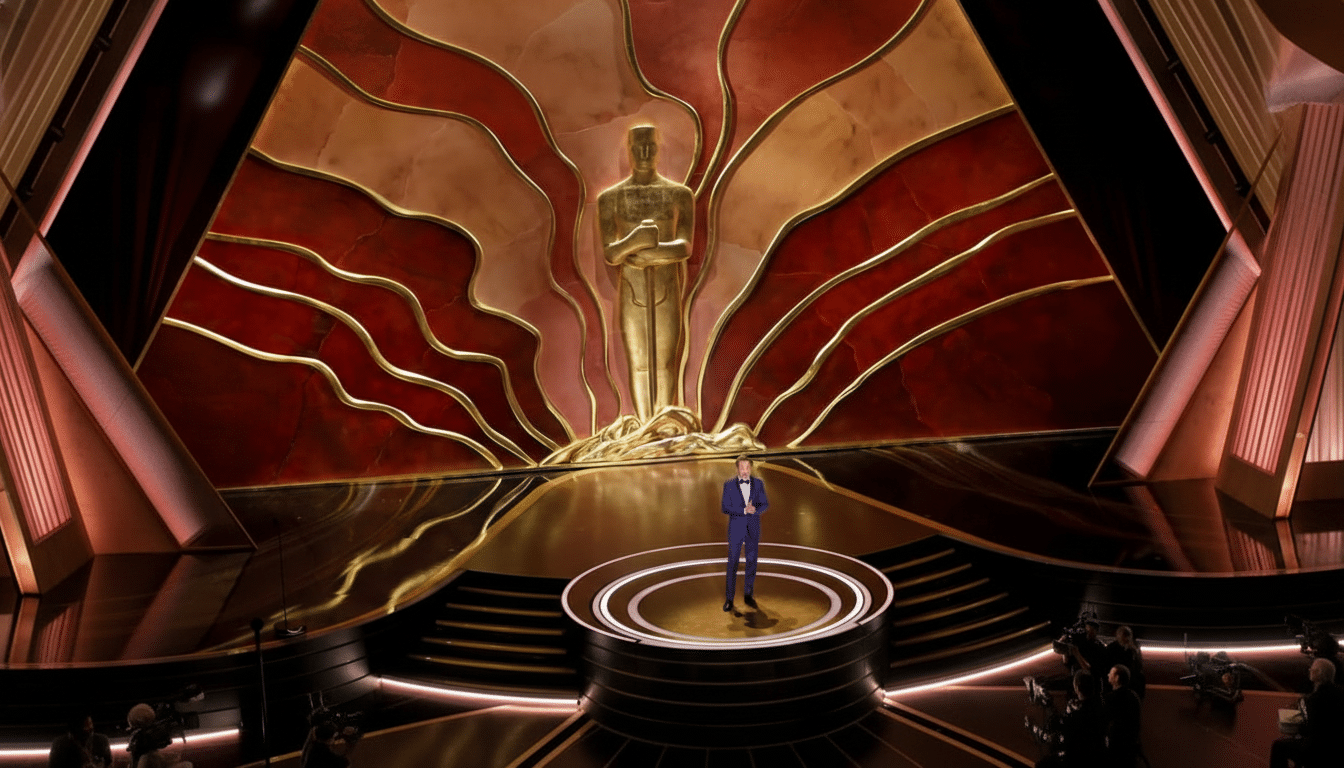
In a major turning point for awards television, the Academy of Motion Picture Arts and Sciences is moving the Oscars from Disney’s ABC to YouTube, allowing film’s biggest night to be streamed free. The decision puts Hollywood’s signature gala on the world’s biggest video site and is a sign of how quickly live, ad-supported streaming is replacing traditional broadcast distribution.
What Changes for Viewers When the Oscars Stream Free
After ABC’s current deal ends with the 100th Academy Awards, the ceremony and several companion events will stream on YouTube for free. No cable bundle, no subscription, and no paywall — just a live global feed supported by features like closed captioning, audio description, and multiple language tracks that the Academy says represent the core of its accessibility push.

The vision goes beyond the telecast. Look for official live streams of red carpet arrivals, the nominees’ luncheon, and the Scientific and Technical Awards. The Academy Museum partnership also comprises a digital pipeline for the Academy Museum of Motion Pictures; YouTube will help feature exhibits online and aid in digitizing parts of the massive museum archive.
Why the Academy Went to YouTube for the Oscars
The story is in the reach and behavior. YouTube delivers more than 2 billion logged-in monthly users worldwide and has been the first streaming service in U.S. living rooms, according to Nielsen’s The Gauge, with 9–10% of TV screen time watched by adults aged 18–49. That is where viewers already are — on connected TVs, phones, and tablets, sampling live events, clips, and long-form video in the same ecosystem.
The Oscars, meanwhile, have been trying to cope with audience volatility on linear TV. While the last few telecasts have snapped back from their pandemic-era low toward the upper teens in absolute viewers, according to data from Nielsen, a longer-term trend is clear: live audiences have scattered onto streaming. YouTube’s system has been designed for scale — just see it delivering the NFL Sunday Ticket to millions of screens simultaneously or streaming Coachella across a dozen stages.
The End of a Long Disney Era for the Oscars Broadcast
ABC has been the home of the Academy Awards for decades, helping to grow it into a cultural touchstone while increasing its digital signature through Hulu and other Disney platforms. The loss of that tentpole leaves a significant hole in the network’s live-event portfolio at a point when sports, awards, and news represent the main engines of broadcast relevance. The shift reflects a larger shake-up: Awards franchises have been seeking out streamers, and rights deals increasingly favor platforms with quantifiable global reach.
Free to Watch, Not Free to Run: How Ads Will Fund It
“Free” means ad-supported. The scale of YouTube and its array of advertising tools — skippable formats, non-skippable formats, brand takeovers, and interactive and shoppable campaigns in CTV (connected TVs) — provide the Academy a wide monetization palette. Alphabet’s filings have shown YouTube bringing in tens of billions a year in ad revenue, and the company has topped 100 million paid subscriptions across YouTube Premium and Music — giving it other levers around the event.
For sponsors, this results in tighter integrations than a traditional broadcast: pre-event buildup on Shorts, creator collaborations, backstage feeds, and targeted ad delivery associated with logged-in audiences. For the Academy, it’s a chance to convert global fandom into year-round engagement by packaging nominee roundtables, craft spotlights, and archival material around the main show.
Global Access and Anti-Piracy Upside for Viewers
For the Oscars, one long-standing headache has been splintered international distribution. A single YouTube stream cuts down on friction for viewers outside of the United States and serves as a potential piracy deterrent by providing an official, high-quality feed complete with language options and instant replay functionality. YouTube’s Content ID and rights management tools also bolster enforcement, while timely highlights offer fans authorized clips to share rather than at-large rips.
Accessibility is another win. The Academy has emphasized multilingual captions, audio description, and customizable viewing options — areas in which digital platforms can iterate more quickly than traditional broadcast. Look for companion streams for sign language interpretation and perhaps multi-camera views, which allow viewers to follow specific categories or the backstage action.
What to Watch Next as the Oscars Head to YouTube
Key details to watch include how widespread the availability will be in regional markets, ad load compared with broadcast norms, and how viewing will be counted. Nielsen added YouTube on connected TVs to its oversight this year, and it will be interesting to see if the Oscars see bigger total reach and younger viewers than ABC has in past telecasts. Also look out for creator-led coverage that will act as a funnel into the ceremony for new audiences, something YouTube will potentially find more of a trump card than broadcast has ever managed to.
The bottom line: moving the Oscars to a free global stream on YouTube is a bet that the world’s most famous awards show will expand by coming to where audiences already watch. It also serves as a sign that the center of gravity for premium live events has shifted — irrevocably — toward platforms crafted for scale, interactivity, and on-demand life after a single night.