


The Academy has unveiled its 98th Oscars slate, and while headliners like Sinners, One Battle After Another, and Marty Supreme racked up attention, the morning’s loudest conversation centered on who didn’t make the cut. From a shutout for a blockbuster musical sequel to surprise omissions in directing and acting, this year’s snubs reveal where Academy taste still clashes with audiences, critics, and box office performance.
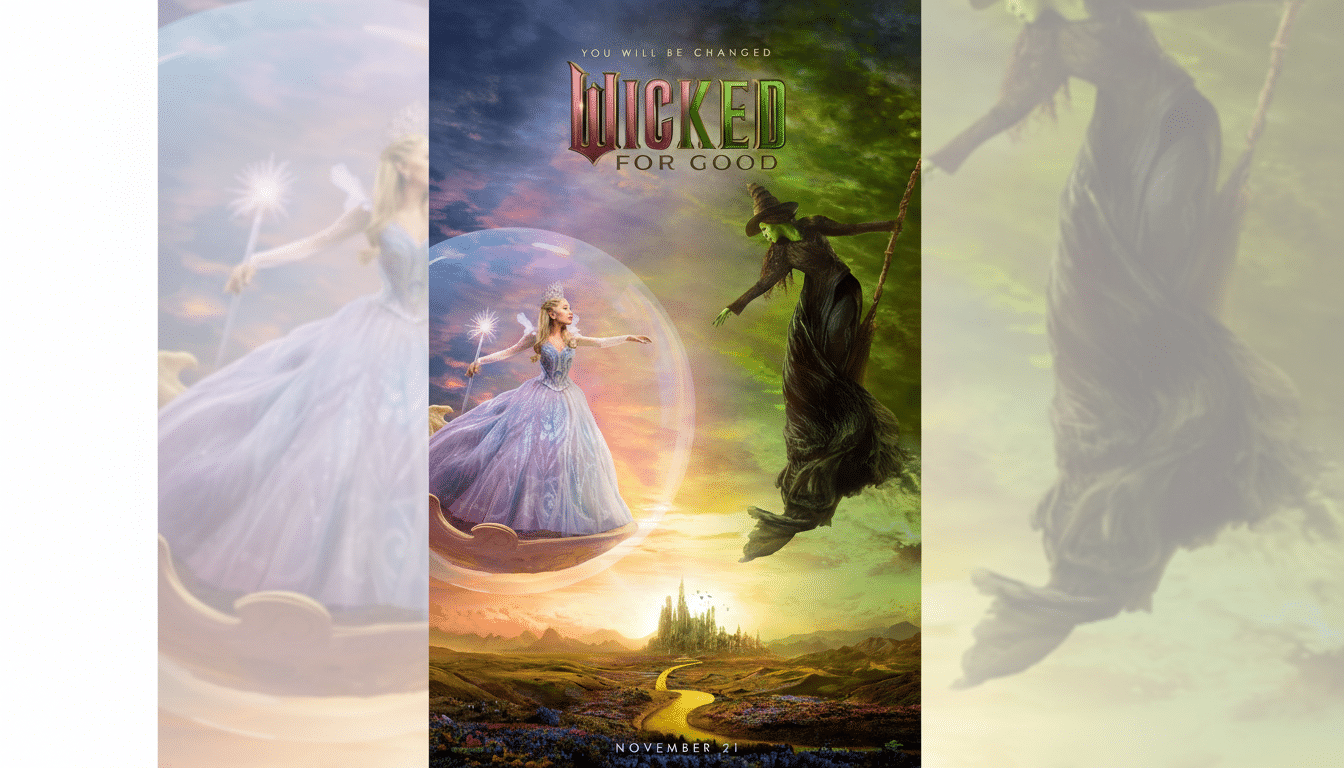
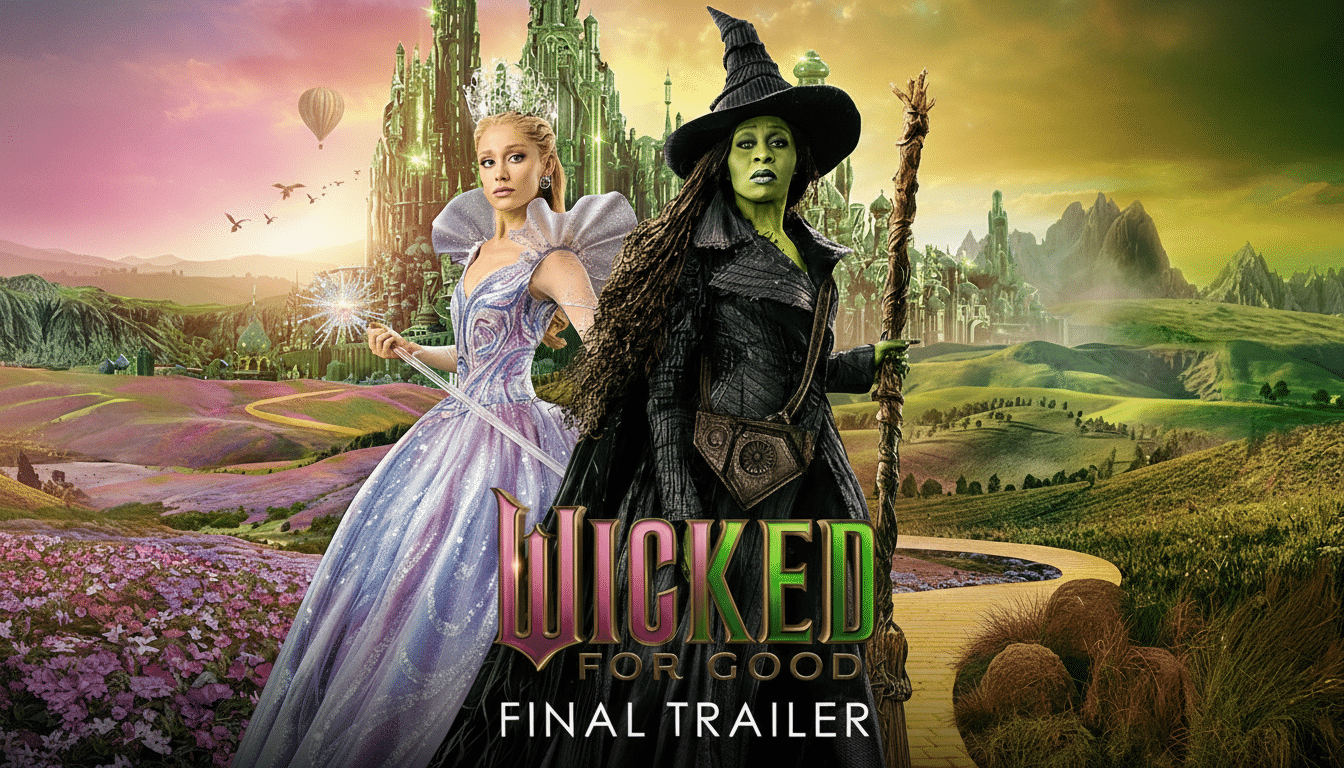
Wicked sequel shut out across all categories
Wicked fans expected encore recognition after last year’s 10 nominations for the original film and its stars Ariana Grande and Cynthia Erivo. Instead, Wicked For Good was blanked across the board. No craft nods for its lavish production design or costumes. No songwriting love for new numbers like No Place Like Home or Girl in the Bubble. In a year when Sinners surged on the strength of I Lied to You and K-pop Demon Hunters broke through with Golden, the sequel’s music and spectacle couldn’t break into a competitive field. For a franchise with proven cultural footprint, a zero tally is the kind of snub that becomes Academy lore.
- Wicked sequel shut out across all categories
- Paul Mescal misses for Hamnet despite film’s strength
- Guillermo del Toro’s director gap surprises voters
- Chase Infiniti overlooked amid a heavyweight cast
- Animated race leaves out a box office juggernaut
- Park Chan-wook sidelined entirely despite global acclaim
- Reading the tea leaves behind the year’s biggest snubs
- The bottom line on what these 2026 Oscar snubs mean
Paul Mescal misses for Hamnet despite film’s strength
Chloé Zhao’s Hamnet earned eight nominations, including Best Director, Best Actress, and Best Picture, yet Paul Mescal’s turn as a bereft William Shakespeare was left on the cutting-room floor. It’s a striking omission, given how Mescal’s internal, slow-burn style has won over critics and voters in recent seasons. When a film performs this well overall, acting exclusions often signal category logjams rather than quality. Still, for many awards watchers, this was the morning’s quiet heartbreaker.
Guillermo del Toro’s director gap surprises voters
Guillermo del Toro’s Frankenstein was a major player, scoring nine nominations including Best Picture and Best Adapted Screenplay. Yet the visionary behind the film missed Best Director. It’s not unprecedented—Academy ballots sometimes split the difference between screenplay and directing branches—but it is confounding when the film is so clearly shaped by a singular hand. Historically, Directors Guild recognition has correlated strongly with Oscar directing nods; this break reminds us the directors branch can zig when precursors zag.
Chase Infiniti overlooked amid a heavyweight cast
One Battle After Another was a nomination magnet, pulling in 13 nods, including acting recognition for Leonardo DiCaprio, Sean Penn, Benicio del Toro, and Teyana Taylor. Even so, the Academy left out breakout Chase Infiniti, whose performance stood toe-to-toe with veterans in high-voltage scenes. Ensemble-driven epics often produce vote-splitting; when support disperses among multiple co-leads and scene stealers, a rising star can fall through the cracks. This feels like one of those times.
Animated race leaves out a box office juggernaut
The Best Animated Feature lineup—Arco, Elio, K-pop Demon Hunters, Little Amélie or the Character of Rain, and Zootopia 2—has commercial muscle and festival cred. The glaring omission is Demon Slayer Kimetsu no Yaiba The Movie Infinity Castle, which generated over $722 million worldwide according to box office tracking sources and became a pop-culture moment well beyond anime fandom. With Disney already represented by Zootopia 2, some expected the branch to diversify the slate rather than add Elio. It’s a reminder that the animation branch, while increasingly global, still wrestles with how to weigh franchise popularity against perceived artistic ambition.
Park Chan-wook sidelined entirely despite global acclaim
Park Chan-wook’s No Other Choice—praised for its razor-sharp satire of hyper-competitive capitalism and a controlled, devastating lead turn from Lee Byung-hun—was invisible on nomination morning. That’s particularly surprising given its Golden Globes recognition across Best Picture (Musical or Comedy), Best Picture (Non-English Language), and Best Actor, and its advancement to the Academy’s International Feature shortlist as South Korea’s entry. International Feature has grown more competitive as AMPAS expanded global membership, but this wholesale shutout felt out of step with critical consensus.
Reading the tea leaves behind the year’s biggest snubs
What explains the misses? Start with math. The Academy’s voting body now tops 10,000 members across multiple branches, and branching tastes can diverge sharply. Craft guilds may champion certain films that acting or directing branches don’t prioritize, and vice versa. In years with strong commercial and international contenders, vote-splitting intensifies, amplifying small strategic advantages like category placement and campaign timing.
Genre bias also lingers. Horror-inflected artistry like Frankenstein can overperform in crafts while missing the top directing cut. Musicals face a high bar when sequels are judged against the original glow. And animation voters continue to mediate between studio tentpoles and globally beloved anime—an area where box office and cultural ubiquity don’t always translate into ballots.
Finally, precursor signals were mixed. Critics groups and the Golden Globes offered enthusiasm for some of these contenders, yet history shows no single precursor predicts Oscars with certainty. The Directors Guild, BAFTA, and guild crafts tallies are helpful, but Academy branches often assert their own hierarchies at the finish line.
The bottom line on what these 2026 Oscar snubs mean
Every strong year produces casualties, but 2026’s omissions have a particular sting because they cut across scale and geography—studio musicals, auteur horror, anime phenomena, and international satire. Whether these snubs become cautionary tales or fuel for future comebacks, they confirm a perennial truth about the Oscars: when nearly every category is a photo finish, even excellent work can end up just outside the frame.