


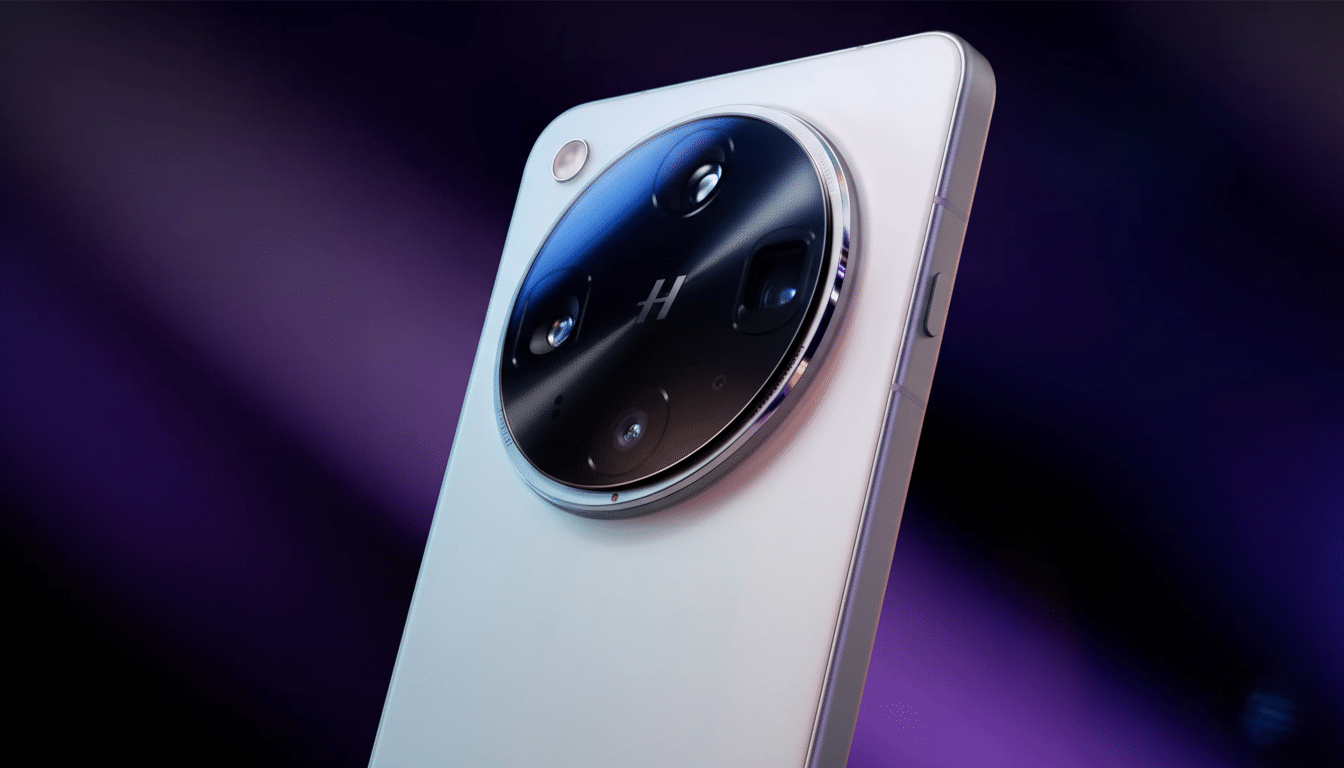
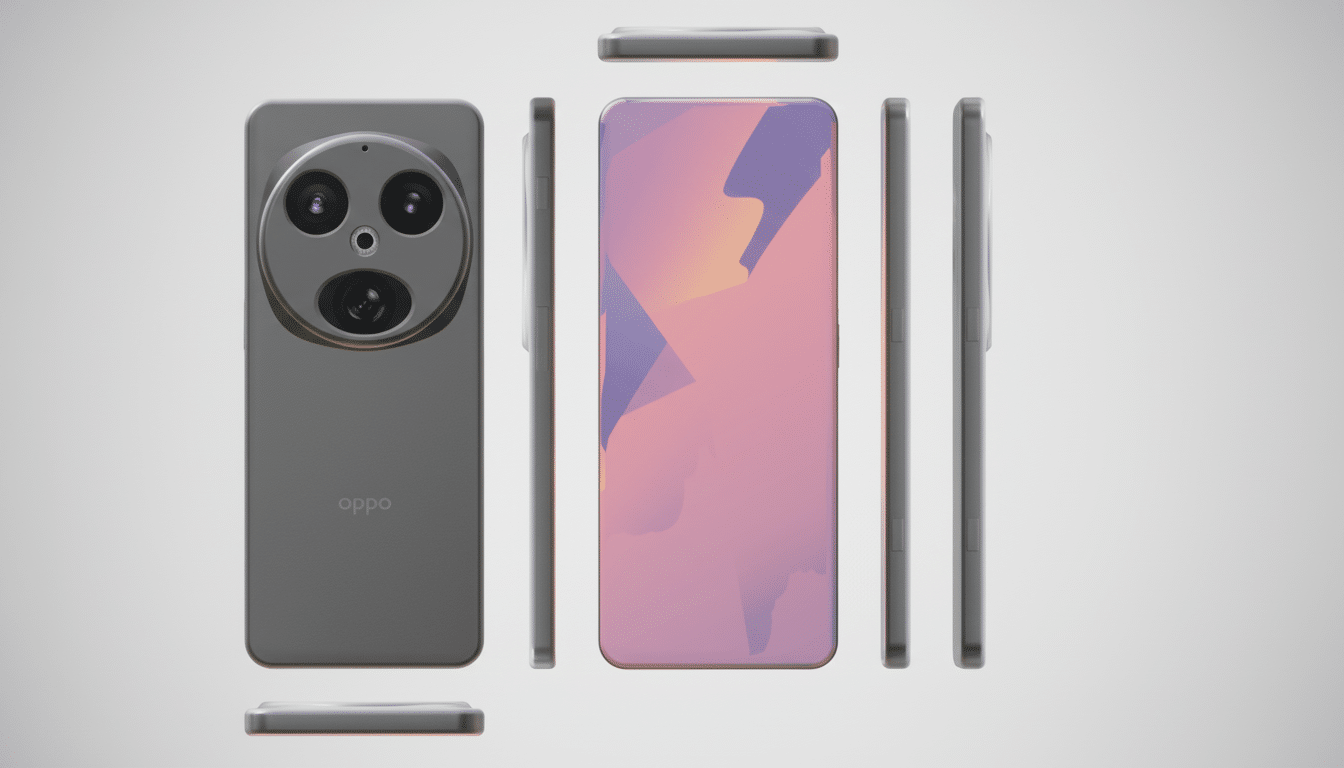
A reliable industry tipster is calling out what could be the most brazen mobile camera stack in years: the Oppo Find X9 Ultra is rumored to combine two 200MP sensors with a genuine 10x periscope lens. If true, this could restart the long-zoom hardware race and put Oppo in pole position as the camera phone to beat in 2026.
According to a report from Digital Chat Station on Weibo, the 6.5–7mm camera bump will include a 50MP periscope module that will offer “high-quality” images at either native 230mm (~10x) reach or in-sensor-cropped ~460mm (~20x) with “enhanced quality.” It also suggests we will see a 200MP “super-large” main camera and a 200MP mid-telephoto lens, likely covering the 70mm to 100mm portrait range.
What a Real 10x Periscope Would Offer in Practice
It’s been rare to see dedicated 10x optics return since Samsung took a step back from the 10x hardware after the Galaxy S23 Ultra. Most brands use 50MP 5x modules now with smart company-specific cropping to simulate more reach. That native 230mm lens changes the calculus: it keeps micro-contrast and fine textures that can’t be completely reconstructed with software, especially when you’re talking about wildlife, sports, and stage shots.
Lab results from places like GSMArena and DxOMark continue to prove that truly optical full reach at 200mm+ pulls hair, fabric weave, and lettering much more cleanly than a squared-off 5x, 35mm-equivalent focal length cropped to on-screen 10x. It’s the trade-off of aperture and light.
If Oppo pairs the larger sensor with better OIS and multi-frame fusion, it might go some way to negating the low-light penalty that plagued earlier 10x modules.
Two 200MP Sensors and Why They’re Important
A 200MP main camera also implies aggressive oversampling and pixel-binning, probably down to around 12.5MP for everyday shots with big effective pixels. That can enhance dynamic range and low-light performance while keeping the door open to 2x in-sensor “lossless” zoom with relatively little loss of quality. But it’s the same playbook as recent flagships, just bigger.
The 200MP mid-telephoto could have just as large an impact if the rumors are to be believed. Portrait focal lengths (in the neighborhood of 3x–4x) have the shallowest depth of field and most flattering compression. A high-res telephoto also means cleaner 5x–6x crops until the 10x periscope, in effect, kicks in. When done right, that trio provides a seamless and high-quality zoom arc from wide out to 20x — the gaps where phones usually trip over themselves are also significantly reduced.
Sensor Size, Light Gathering, and the Sony Factor
Digital Chat Station is alleging that the main sensor’s light intake will beat all current one-inch-class competitors, a daring claim that hinges on real sensor area and lens aperture. Bigger silicon and a fast lens are more important than the megapixel count; with Oppo’s 200MP, the effective pixel size after binning will say everything that is necessary.
The leaker also commented that Oppo isn’t using Samsung’s ISOCELL HP5 for the 200MP slot. Separate leaks have been gossiping about Sony’s LYT family; these new stacked Sony sensors have offered faster readout in the past few years and stronger HDR headroom alike, which goes with merging long-zoom stabilization, multi-frame noise reduction, and 8K-ready video pipelines.
Hardware is only one side of the story. Oppo has been good at partnering with Hasselblad, particularly on cool capture tones, natural color tuning, and consistent skin tone handling. The company has also thoroughly pushed multi-frame fusion, semantic segmentation, and AI upscaling, along with stabilization supported by Hasselblad’s expertise, commercial OIS, and well-above-normal EIS at 230mm and beyond.
Therefore, handheld 10x–20x shots have shifted from an ambition to a one-click utility, and I would also anticipate seeing some lately trendy ways of enhancing deblurring, gathering per-lens tone mapping, and more.
Because long focal lengths amplify microscopic shakes, we assume a mix of sensor-shift and lens-shift stabilization and gyro-aided real-time video stabilization to be advantageous, setting the Find X9 Ultra apart from many other hyper-premium and hyper-camera-capable smartphones in practical approaches.
Current heavyweights like the Xiaomi 14 Ultra and Vivo X100 Ultra rely on high-quality 3x–5x modules with stellar sensors, while Samsung pivoted to a 50MP-based 5x approach with crop-based (but very good) 10x. Offering a native 10x periscope plus a punchy mid-tele worth of around 200MP would give Oppo alone at each end of the zoom range — potentially matching or surpassing rivals in detail when it comes to details at between about ×10 and ×20, but also keeping class-leading portraits at between about ×3 or so and ×4.
The risk is complexity. Three hungry sensors, combined with larger optics, push thermal limits and ISP throughput during multi-frame bursts and high-res video. To what extent Oppo is able to calibrate image quality, processing time, and battery impact will determine whether these specs hold up in everyday use.
What to Watch Before Launch: Specs, Sensors, and Availability
Still missing: key specs like the sensor size, aperture, stabilization specifications, and supplier confirmation. Availability is important too: last year’s Oppo Ultra models were in limited distribution, though the latest whispers are that wider availability is being considered. Should the company actually ship genuine 10x optics coupled with large, fast sensors and mature algorithms, the Find X9 Ultra could establish a standard that 2026 camera phones will be measured against.
For the moment, the specs sound compelling: twin 200MP cameras for range and fidelity; a 50MP 10x periscope promising real reach; and a focus on light intake that poses questions to the status quo.
If these pieces come down as leaked, competitors will need to quickly reconsider their long-zoom strategy.