


As well as making its first forays into social video, OpenAI is now moving into the short‑form space with the launch of Sora, an app designed around AI‑generated clips, and Sora 2, its new text‑to‑video and audio model. The matchup pits OpenAI against the creators of TikTok and Reels and showcases what the company calls a step change in video realism that it says better preserves physics, motion and cause‑and‑effect.
What the Sora App Does: Creation, Cameos and Identity Checks
Sora might appear as a familiar swipeable feed, but the engine driving it is creation. The scenes are created by users in response to prompts, and then dropped into those scenes via “cameos,” an upload‑yourself feature that demands a one‑time identity and voice check. People can also give friends permission to feature their likeness in collaborative clips, a social take on the AI avatar trend that has defined the last two years.
- What the Sora App Does: Creation, Cameos and Identity Checks
- What’s Inside the Sora 2 Model: Realism, Motion and Audio
- Data and Personalization: How Sora Builds Recommendations
- Safety, Consent and Moderation: Risks and Protections
- The Competitive Landscape: Sora Versus TikTok and Reels
- Rollout and Monetization: Availability, Access and Pricing
- What to Watch Next as Sora Scales and Policies Evolve
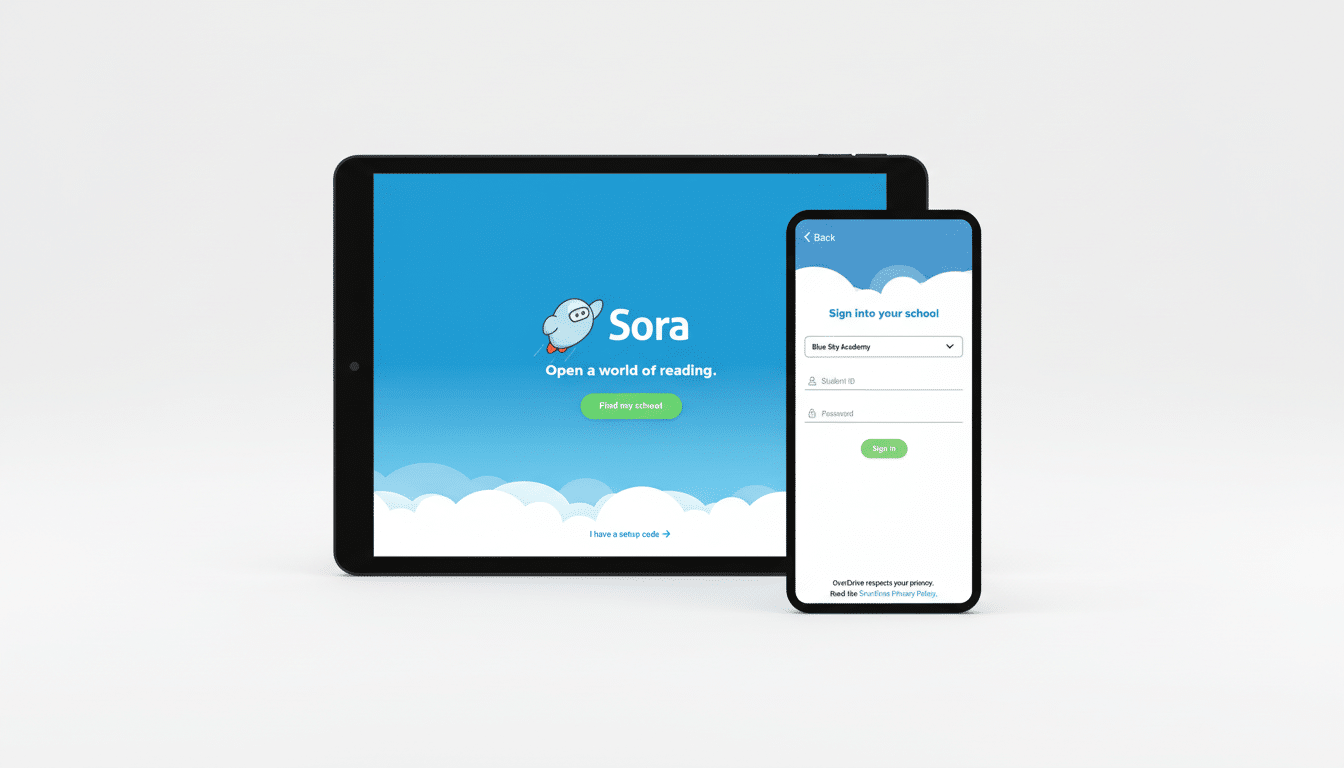
The app is initially being made available on iOS in the U.S. and Canada, with an invite‑only feed out of beta at launch. OpenAI says that it hopes to grow rapidly. The company’s work on a social experience was reported earlier by Wired, and the final product aims to bridge the divide between creator and audience with automated production tools.
What’s Inside the Sora 2 Model: Realism, Motion and Audio
OpenAI’s demos lean into physical plausibility: basketballs bounce rather than teleport, skateboard wheels grip and slide accurately, and bodies articulate through large‑scale motions like vaults and dives. That focus on causality gets at a pervasive failure mode in prior video generators, where such models were more focused on the prompt than preserving real‑world constraints.
OpenAI doesn’t release full technical specs, but the direction fits a broader trend from rivals like Google’s Veo, Runway’s Gen‑3 Alpha and Pika 1.0 to further push higher temporal consistency, richer lighting and longer coherent shots. Sora 2 introduces native audio generation and a target of an end‑to‑end pipeline that gets from a prompt to a share‑ready short without needing a separate editor.
Data and Personalization: How Sora Builds Recommendations
OpenAI says the Sora recommendations are based on in‑app activity, location inferred from IP address, past engagement history and—optionally—on ChatGPT conversation data. That cross‑product personalization is rare in consumer AI tools and will invite the scrutiny of privacy advocates. The ChatGPT signal could also be turned off, the company says. Some parental controls, controllable in the ChatGPT dashboard, allow parents to cap infinite scroll, turn off personalized ranking and keep direct messages at bay — but these measures are only as statistically effective as the adults setting them.
Safety, Consent and Moderation: Risks and Protections
The cameo system is opt‑in and cancellable, but the dangers are real: once someone has your permission to take advantage of your likeness, they can still produce misrepresentative or embarrassing clips. Researchers and civil society groups like the Partnership on AI and the Brookings Institution have cautioned that AI video abuse concentrates around three areas: impersonation, political misinformation and non‑consensual sexual content. Platforms hosting synthetic media are likewise increasingly being asked to introduce provenance signals and strong appeals processes; OpenAI has yet to provide much detail on its watermarking or detection strategy for Sora (one part of this worth keeping an eye on).

Past events on social networks offer an example of how quickly synthetic clips can seep into the world before efforts are made to correct them. The enforcement problem becomes much harder in a creation‑first feed that can produce nearly every post in seconds and remix it infinitely.
The Competitive Landscape: Sora Versus TikTok and Reels
Sora exists in an attention market dominated by TikTok and Instagram Reels, a world where distribution is determined not by follower graphs, but rather by algorithmic taste. Data.ai estimates users in top markets spend dozens of hours each month on short‑video apps, and DataReportal’s TikTok global audience number clocks at over a billion monthly users. Meta recently introduced a video‑centric “Vibes” experience within its assistant app, a hint that the big guns are racing to consolidate creation, curation and conversational AI in one place.
Whereas Runway or Pika are centered on pro‑am creation tools, OpenAI is combining model access with a social surface. If Sora’s feed consistently serves fresh, high‑quality generations, it could bootstrap a creator ecosystem with no need to spend several years accruing network effects like most other social media. The flip side: falling short of trust or moderation would choke off growth before it really gets going.
Rollout and Monetization: Availability, Access and Pricing
The app is free for now, “so people can freely indulge in its features,” the company said. Monetization at launch is capped at charging extra for generations during heavy demand—billed basically as metered compute. That’s similar to how many image and video tools approach inference costs today, but it buys time while OpenAI figures out what users will pay for — priority rendering, premium effects or advanced collaboration features.
Currently, the social feed is still invite‑only, but ChatGPT Pro subscribers will be able to access the Sora 2 Pro model directly, which creates a two‑lane on‑ramp: one for creators who care about distribution and another for power users who want raw capability. Should usage mirror broader short‑video tendencies, however, scale could end up being quite high; Pew Research has chronicled a steady increase in consumption of short‑form content among younger demographics — particularly in the U.S.
What to Watch Next as Sora Scales and Policies Evolve
Sora’s fate will be determined by three questions: whether Sora 2’s realism makes it materially better than its peers in everyday use, whether cross‑product personalization adds value without creeping users out on privacy, and whether OpenAI can maintain swift and effective enforcement against abuse at social scale. If the company can thread that needle, Sora could become the first mainstream social network natively designed to generate video as opposed to tacking AI onto an existing feed.