


I run a six-figure OnlyFans business without taking my clothes off, and the model works because it combines audience trust, sharp boundaries, and disciplined monetization. It’s not an accident. It’s a system built on mainstream visibility, paid funnels, and content that promises intimacy without explicitness.
The Playbook Starts Off Platform, Then Drives Conversions
My conversion engine begins on YouTube, Instagram, TikTok, and Reddit. Short-form clips and try-on content serve as a trailer for the premium experience, while long-form videos earn loyalty by showing process, personality, and behind-the-scenes planning. I treat each post as a call to action, not a lottery ticket.
- The Playbook Starts Off Platform, Then Drives Conversions
- What I Sell When I Do Not Sell Nudity on OnlyFans
- How the Money Actually Breaks Down Across Revenue
- Boundaries as a Brand Advantage and Differentiator
- Data Points and Benchmarks That Matter for Growth
- The One-Person System That Scales With Clear Processes
- Diversify or Die: Building Multiple Income Streams
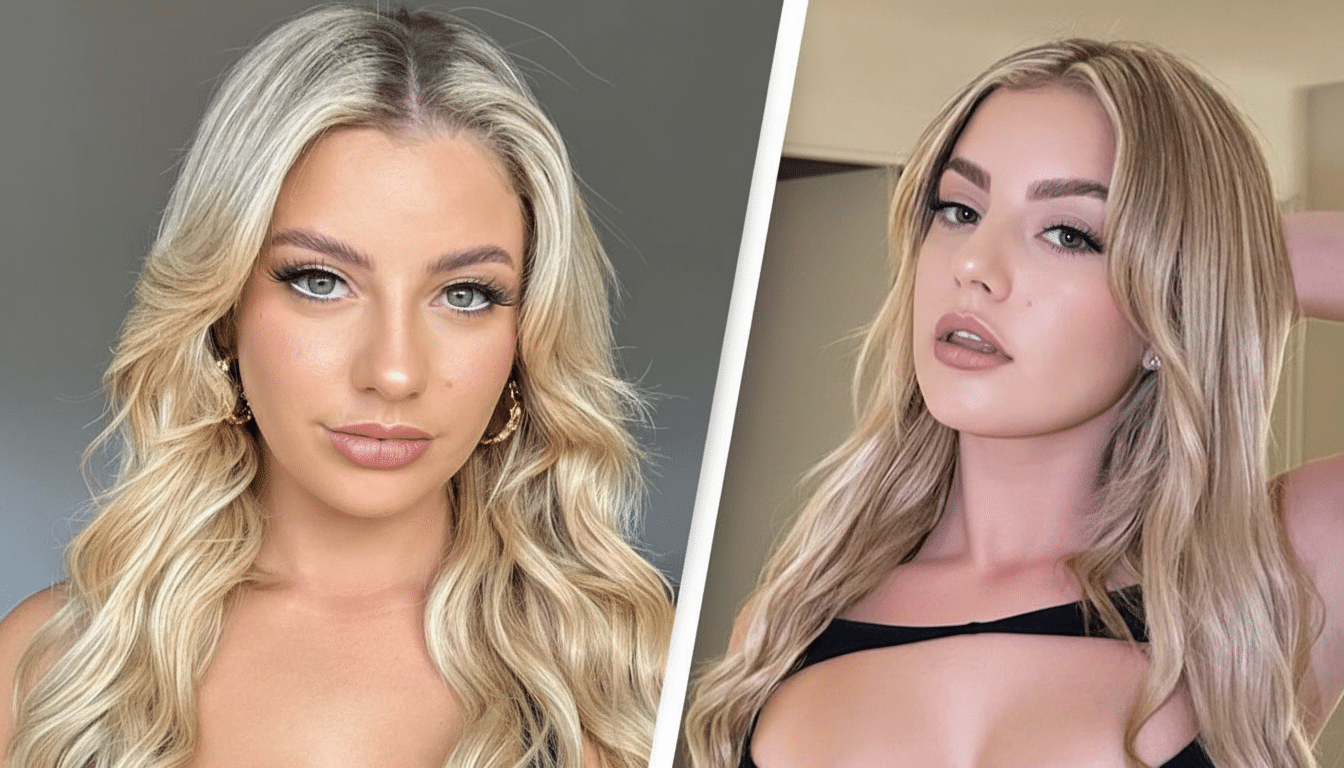
I build email and SMS lists to hedge against algorithm swings. Audience portability matters: OnlyFans takes a 20% platform fee, so owning my contact list protects margins and lets me re-engage lapsed fans with bundles, reactivation discounts, and seasonal drops.
What I Sell When I Do Not Sell Nudity on OnlyFans
My niche is softcore and suggestive content: slow-burn striptease, boudoir aesthetics, cosplay, gym fits, and lifestyle vlogs that feel personal without crossing my line. Scarcity is intentional. I set clear expectations up front—no explicit content—then deliver high production value and playful storytelling that leans on tease and pacing.
I anchor the month around a theme—a 30-day wardrobe series, a lingerie lookbook, “date night prep,” or a subscriber-voted challenge. Fans often fund props or wardrobe through in-app fundraisers, which turns content into a community project. The storyline gives people a reason to come back tomorrow.
How the Money Actually Breaks Down Across Revenue
Subscriptions are my floor; pay-per-view (PPV) and tips are my ceiling. Over the last year, roughly half of revenue came from PPV drops, about one-third from subscriptions, and the rest from tips and bundles. I keep the monthly price accessible, then upsell twice a week with PPV sets that feel like events.
Direct messages function like a storefront. I use segmented lists and autoresponders to greet new members, offer “starter bundles,” and spotlight limited series. I answer personally during defined hours and set a clear rule: priority replies go to tippers. It protects my time and trains the room without sacrificing authenticity.
On cost control: I batch-shoot two to three weeks at a time, reuse sets creatively, and schedule posts. Studio lighting, a couple of lenses, and clean audio do most of the heavy lifting. The result is high-end polish without a high-end budget.
Boundaries as a Brand Advantage and Differentiator
Refusing nudity is not just a personal line—it’s a positioning choice. It widens my options for brand partners and keeps me “safe-for-most” across mainstream platforms. It also differentiates me in a market where explicit content is common. That contrast is part of the appeal.
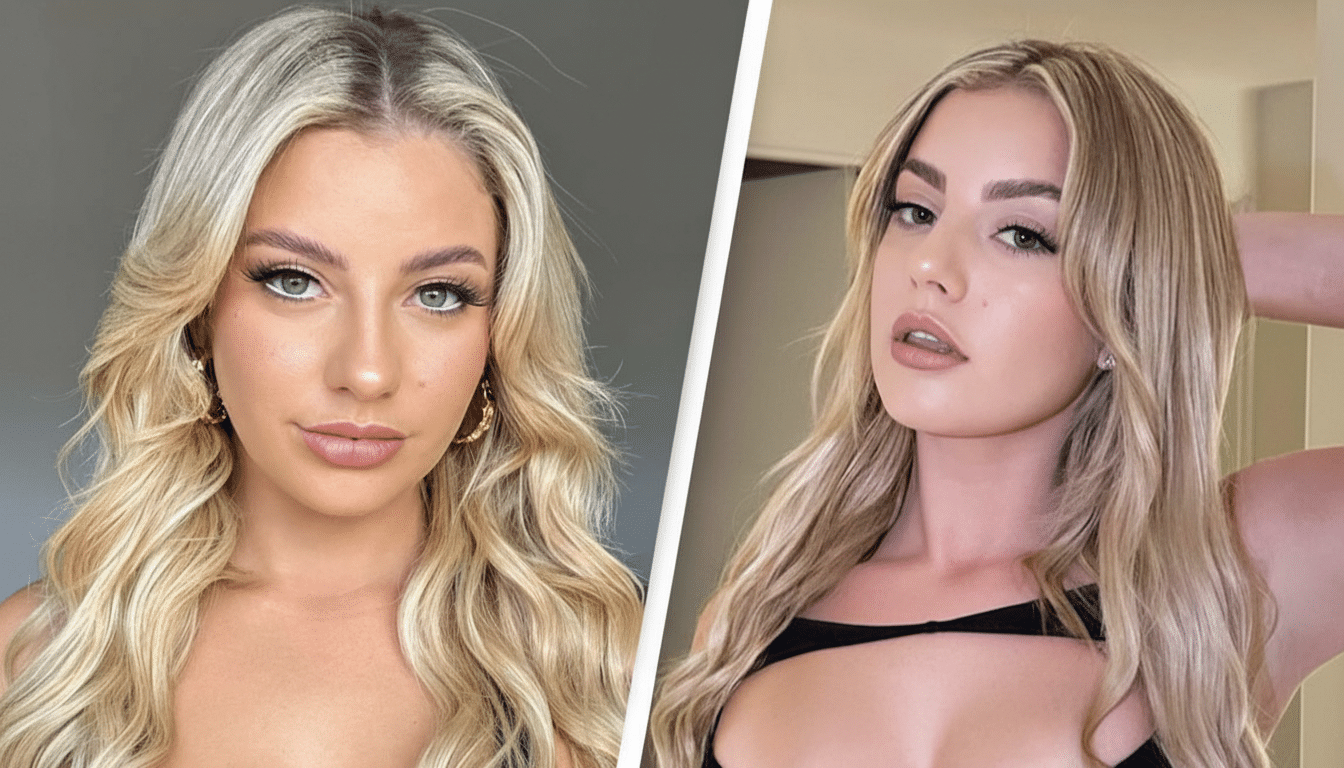
The risk calculus is real. YouTube’s nudity and sexual content policy bars material “meant for sexual gratification,” even if clothed, and age-verification laws spreading in the U.S. have reshaped traffic patterns industrywide. The Free Speech Coalition has reported income drops where access is restricted, and that volatility is exactly why I diversify.
Data Points and Benchmarks That Matter for Growth
I track three numbers: conversion from social to profile click, profile clicks to subscription, and average revenue per subscriber after 30 days. Warm audiences convert better than cold; creator-education firms often cite single-digit subscription conversion from profile views, which aligns with my dashboard. The upside comes from PPV uptake and tips, not chasing extreme content.
Context helps: company filings in the U.K. show OnlyFans creators collectively earned billions in annual payouts in recent years, underscoring how standardized the subscription-plus-PPV model has become. But the spread is huge, and consistency beats spikes. I’d rather post two solid PPVs weekly for a year than hinge my income on a single viral moment.
The One-Person System That Scales With Clear Processes
I don’t use an agency. I keep a living playbook: content calendar, shot lists, DM scripts, disclosure templates for brand deals, and a compliance checklist. Fans value that it’s me in the inbox, and my time isn’t diluted by ghost texters. The transparency strengthens parasocial trust—and tips.
Community rituals matter. I post monthly roadmaps, share production costs when I’m raising funds for a series, and publish “making-of” snippets. Framing supporters as patrons funding creative work changes the tone from transactional to collaborative.
Diversify or Die: Building Multiple Income Streams
OnlyFans is one revenue stream. I publish digital guides, sell journals and eBooks, and run a separate education tier where I document strategy for women interested in creator businesses. The extra lines of income smooth seasonality, and my email list is insurance against policy shocks I can’t control.
If there’s a single lesson, it’s that boundaries plus systems scale. Make the promise clear, make the funnel simple, and deliver on schedule. That is how you build a non-nude brand that fans are happy to support—and how you turn it into six figures without crossing your own line.