


OnePlus is eyeing a long-standing pain point for wearables with the Watch Lite, a smartwatch that can link up to two phones at the same time — one of them an Android phone and the other an iPhone.
If it functions as promised, this cross-OS dual-phone pairing could offer the most consumer-friendly version of smartwatch connectivity in years, a feature that smartphone users who are constantly switching between personal and work phones can appreciate.
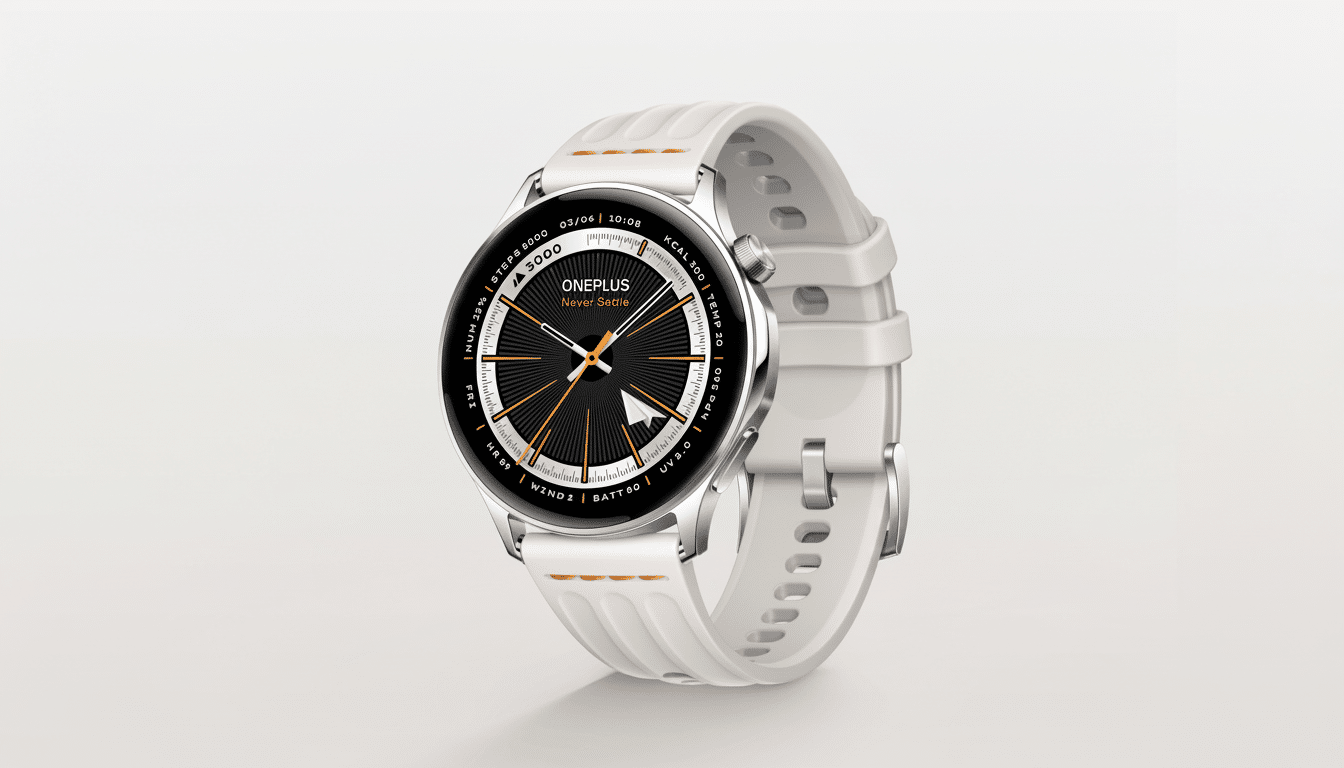
A First for Mainstream Wearables: Dual-Phone Pairing
In the vast majority of smartwatches, you have to choose a side. Apple Watch is iPhone-only, and many third-party watches that support iOS, even to this day, still require a single host phone and/or feature cut-downs on Apple’s platform. The OnePlus Watch Lite bucks that trend by reflecting notifications and call alerts from two devices at the same time, an Android–iPhone pairing among them, which has been almost unheard of in the mainstream market.
The timing is smart. Most households are mixed-device, and plenty of professionals walk around with one phone from work and another for play. With Android commanding about 70 percent of the global smartphone share based on data from StatCounter and iOS holding firm in the high-end market, a watch that won’t take sides reflects how people really live and work.
How Cross-Platform Dual-Phone Pairing Might Work
My guess is that under the hood, this depends on two different things: Bluetooth multipoint and a pipeline for notifications to travel down — Android’s normal notification listener service on one end and Apple’s ANCS (Apple Notification Center Service) protocol on the other. It would keep up concurrent GATT connections and prioritize events so that alerts from both phones are displayed without tripping over each other. It’s a delicate engineering trade-off between stable connections, battery management, and privacy controls.
Here is a common one: You bring your own Android phone and you have an iPhone from work. The Watch Lite could be a way to satisfy both; you can get the Teams ping from your iPhone and the Signal message from your Android, both of which can reach your wrist. Calls from either phone should ring, and you can answer on the device of your choice. Look for the ability to cover any duplicates with nuanced settings, mute work after hours, or temporarily quiet your phone’s stream.
There will be limits. iOS has always handcuffed third-party watches to a shallow level of interaction — think reading, but not replying to iMessages, or viewing but not taking action on rich app notifications. Notification mirroring and call alerts are likely to work exactly as well on both platforms, with richer replies and app integrations a better possibility in an Android-to-Android scenario.
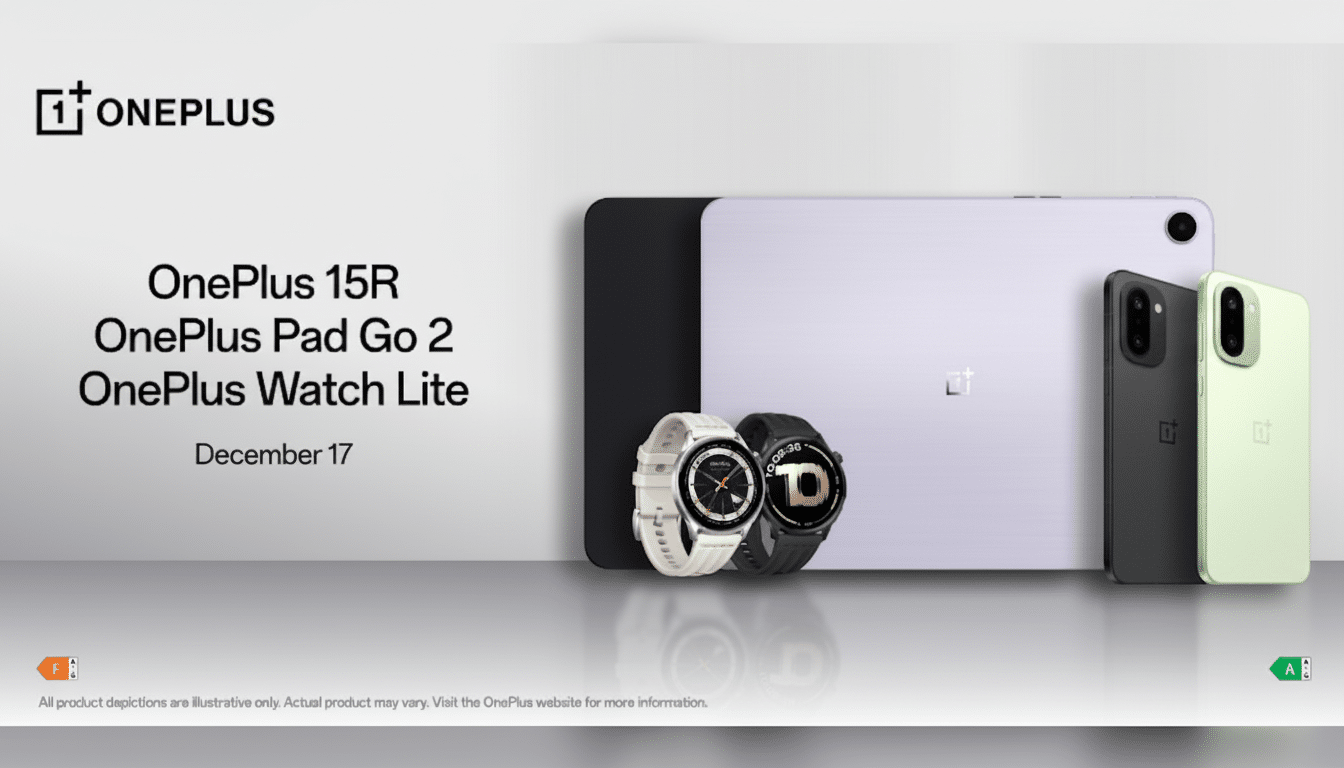
Hardware for Everyday Use in the OnePlus Watch Lite
The Watch Lite bundles its headline feature with some very sensible hardware choices. It houses a 1.46-inch AMOLED display encased by impact-resistant glass, climbing to blistering 3,000 nits in Sports Mode for sunny outdoor viewing — with a typical level of 600 nits day to day. The case is 8.9mm thin and a lightweight 35g. OnePlus is providing Silver Steel and Phantom Black finishes with a stainless steel build.
That includes step counting, of course, and more advanced scrutiny of your workouts with the aforementioned dual-band GPS to help deal with city density (everything from archery mode to Teqball is supported among over 100 sport modes), as well as things like VO2 Max and Lactate Threshold calculations that tend to only come on pricier fitness wearables. A 60-second Wellness Overview provides a fast snapshot of physical stress, heart rate, and more to enable quick checks between meetings or work time off.
Availability and Practical Trade-offs for Early Buyers
There is a catch: initially, at least, the Watch Lite will be Europe-only, OnePlus says. That restricts early adoption but also gives the company a more controlled rollout to work out bugs — sensible for something as complex as dual-phone pairing. Cross-OS features are likely to bring some edge cases, from replicated notifications to app-by-app kinks, so software polish and quick updates will matter as much or more than the spec sheet.
Platform asymmetry will remain. On the iPhone, third-party watches are generally unable to reply to messages or integrate as deeply as Apple Watch. Features are fuller for Android users, particularly when connecting to two Android phones. OnePlus is sure to release matrices of what works where; that sort of straightforwardness will help convince enterprise and fitness types.
Why This Matters for the Market and Competitors
OnePlus isn’t going to lock that down, nor should it, when so many users are living in hybrid environments. Analysts at firms like IDC and Counterpoint have pointed out how device preferences are splintering between homes and workplaces. If the Watch Lite is also capable of providing stable dual-phone support sans friction, it will likely force competitors in bargain and midrange categories — Amazfit, Huawei, and Garmin come to mind — to offer a similar level of multipoint connectivity rather than nudge buyers toward a single host.
It’s a deceptively simple notion: have a watch follow the person, not the platform. If OnePlus gets it right — clean notification handling, two active connections for great battery life, and clear controls — the company just unleashed the most practical smartwatch feature of the year. The Continent has the first chance to find out.