


OnePlus has confirmed that customers in India will soon be able to get their phones serviced at OPPO-authorized centers, a move that could immediately widen after-sales access in the brand’s most important market while raising fresh questions about strategy and identity.
What’s Changing for OnePlus Service Support in India
The company told Indian media that owners can visit OPPO service locations for repairs and support, with existing warranties, software updates, and user commitments continuing uninterrupted. In practice, that means walk-in acceptance of OnePlus devices at OPPO counters, unified spare-parts logistics, and common repair workflows—unsurprising given OnePlus and OPPO already share R&D resources and a converged software codebase under the BBK Electronics umbrella.
- What’s Changing for OnePlus Service Support in India
- Why This Service Shift Matters for Users in India
- The Upside for OnePlus Consumers Using OPPO Centers
- The Risks and Open Questions About This Integration
- What Industry History Suggests About Shared Service
- Bottom Line for OnePlus Users Visiting OPPO Centers
OnePlus positioned the change as a customer convenience play rather than a retreat. Still, the announcement lands amid persistent chatter about a restructuring of OnePlus’s global operations, including reports that the company could scale back in some regions. While none of those claims have been publicly corroborated, they color how this service shift will be interpreted by fans and rivals alike.
Why This Service Shift Matters for Users in India
India has long been OnePlus’s strongest market by volume. Counterpoint Research has repeatedly identified the brand among the top players in India’s premium and affordable premium segments, where after-sales support can tip purchasing decisions. A denser service footprint matters in a country where tens of millions of users live beyond metro hubs and where downtime costs are high for gig workers and students.
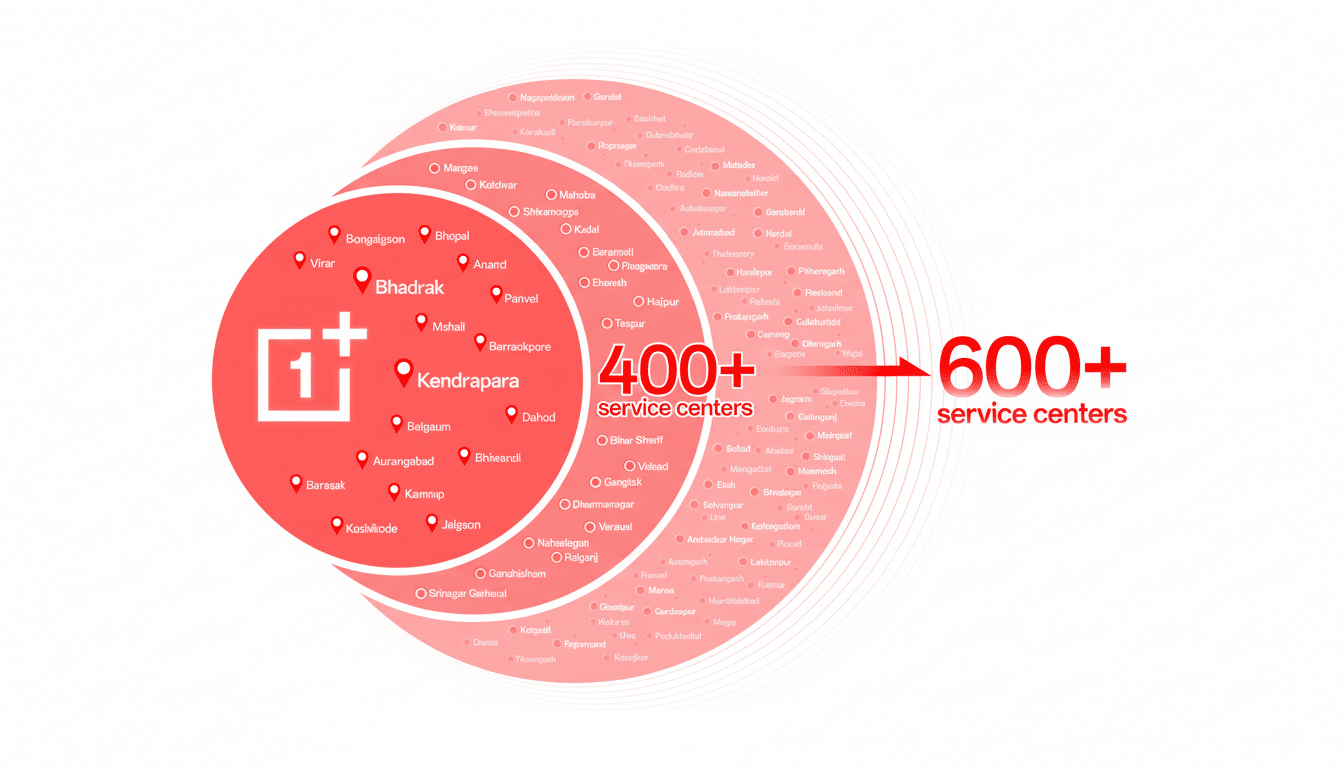
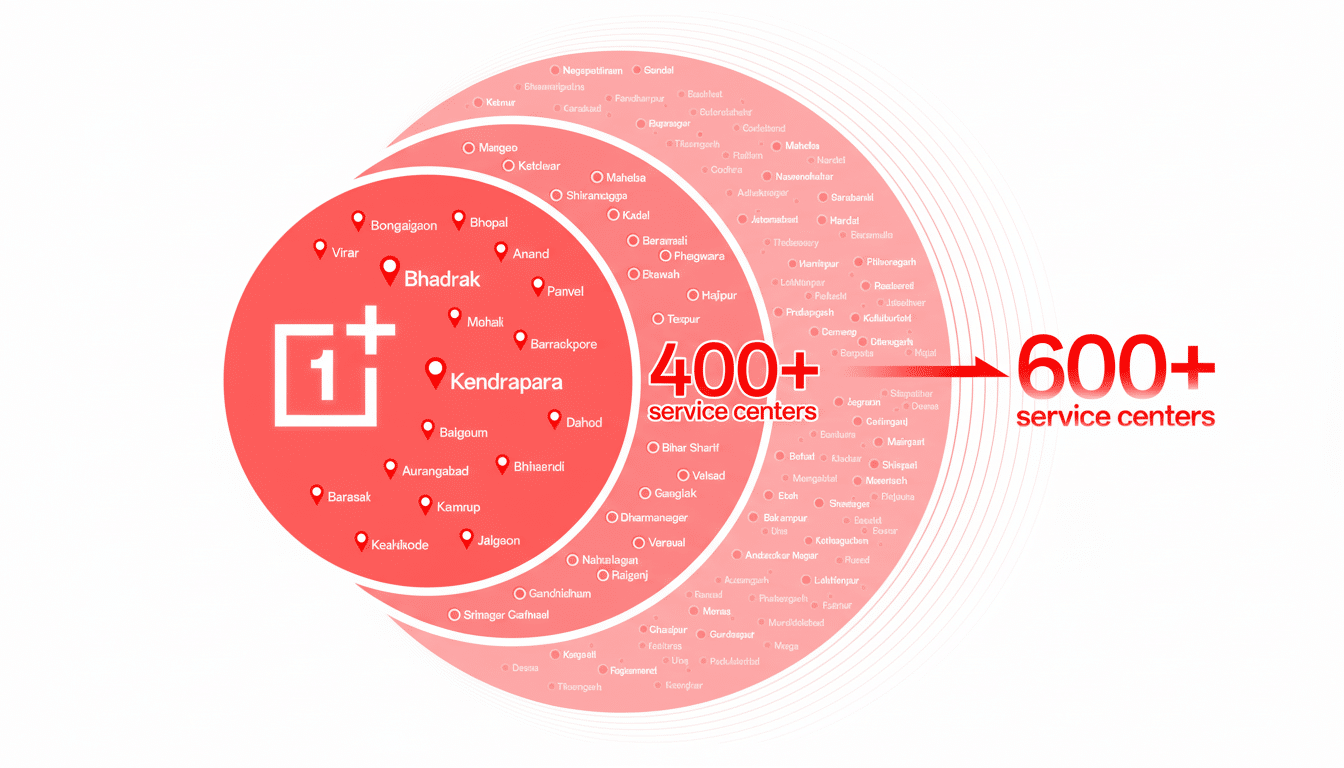
OPPO operates a large, nationwide service network across Tier 1, Tier 2, and many Tier 3 cities—several hundred centers by company disclosures—whereas OnePlus historically maintained a smaller mix of exclusive centers and partner locations. Tapping OPPO’s grid could shorten travel distance for many OnePlus owners and smooth appointment availability during peak cycles after major phone launches.
The Upside for OnePlus Consumers Using OPPO Centers
- More doors to walk into: Access to OPPO’s wider network should cut wait times and reduce the need to ship devices away, especially outside metros. For common repairs—screens, batteries, ports—the supply of parts may be steadier thanks to pooled procurement and shared component designs across sister brands.
- Potentially faster turnarounds: Larger centers typically handle higher volumes with standardized diagnostics. Even if same-day fixes aren’t guaranteed, throughput can improve when technicians and spares are under one roof instead of split between small satellite points.
- Better consistency for hybrid hardware: As OnePlus and OPPO have aligned platforms, many repair procedures overlap. That can simplify training and reduce human error, a quiet win for device longevity.
The Risks and Open Questions About This Integration
Brand experience and accountability: OnePlus built a loyal base on white-glove touches like transparent pricing boards and proactive communication. Not all third-party-run counters deliver identical service culture. Clear escalation paths—who resolves disputes, OnePlus or the servicing OPPO outlet—must be communicated.
Pricing and parts policy: Users will watch closely to see if out-of-warranty quotes, turnaround commitments, and genuine parts availability match or exceed prior OnePlus standards. Any drift here would erode trust quickly.
Data and privacy: Handing a daily-driver phone to a new service counter raises familiar concerns. Customers should enable backups, remove SIMs and memory cards, and use built-in maintenance modes where available. OnePlus says its warranties and software support continue, but data-handling protocols at each center should be visibly enforced.
Strategic signaling: Reports from industry outlets and well-known tipsters have suggested OnePlus may recalibrate global operations, while the company has denied a full shutdown narrative. This service consolidation could be read as prudent efficiency—or as prelude to deeper changes. Without official detail, speculation will persist.
What Industry History Suggests About Shared Service
Smartphone brands have shared service infrastructure before. Lenovo and Motorola, for instance, aligned support networks after their tie-up; OPPO and Realme also overlap in places. The pattern is consistent: reach and parts logistics improve, but the onus falls on the lead brand to keep training, service-level agreements, and customer communication airtight so identity doesn’t blur.
Bottom Line for OnePlus Users Visiting OPPO Centers
For Indian OnePlus users, access to OPPO’s service centers is, on balance, a pragmatic win—more locations, likely quicker fixes, and better parts flows. The caveat is execution: if pricing transparency, repair quality, and escalation support remain at OnePlus’s prior standard, consumers come out ahead. Keep invoices and warranty proof handy, back up before any handover, and verify that the servicing outlet logs your device under a OnePlus job ticket. If those basics are nailed, this change should deliver real-world benefits without compromising the brand promise.